



Showing all 3 resultsSorted by popularity
Filter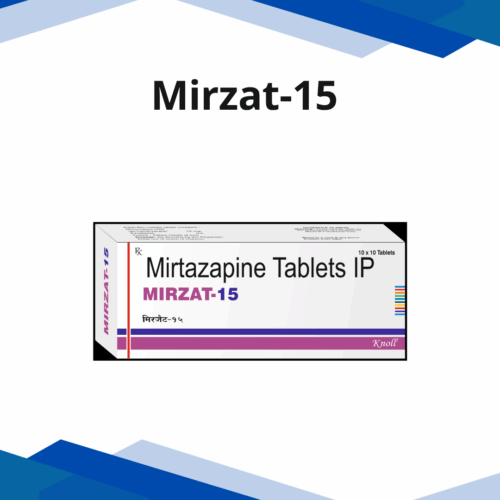
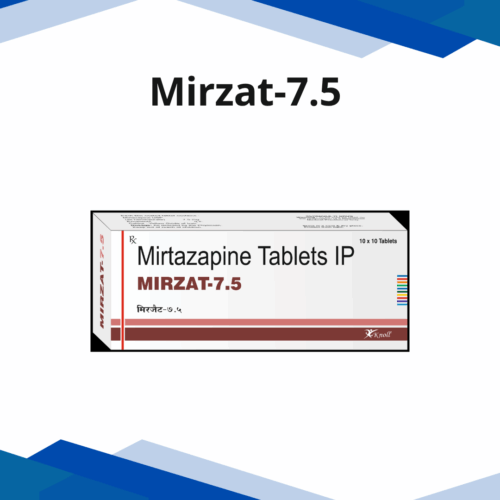
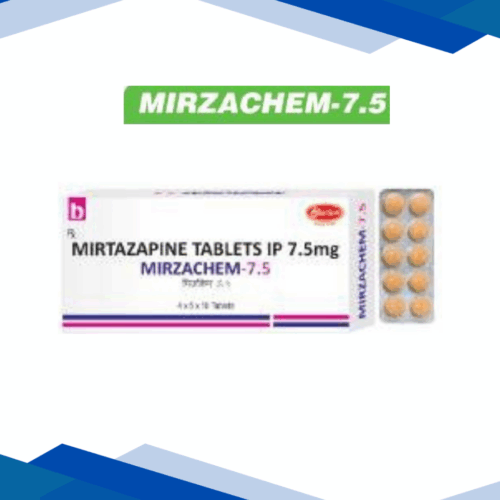
“Mirtazapine 15mg Tablet”
Mirtazapine is an atypical antidepressant classified as a Noradrenergic and Specific Serotonergic Antidepressant (NaSSA). It is primarily used for the treatment of moderate to severe Major Depressive Disorder (MDD). Unlike many other antidepressants, Mirtazapine works by increasing brain levels of serotonin and norepinephrine, making it especially helpful for patients experiencing depression with insomnia and low appetite.
Top Benefits & Uses
Elevates Mood: Helps reduce depressive symptoms and improves overall emotional well-being over time.
Improves Sleep Quality: Particularly beneficial for patients with insomnia, promoting deep and restful sleep.
Stimulates Appetite: Useful in patients with loss of appetite or weight loss during depressive episodes.
Rapid Symptom Relief: Some patients may notice improvements in anxiety and sleep within 1–2 weeks of starting treatment.
How to Take Mirtazapine
Time of Administration: Best taken once daily in the evening or before bedtime.
Consistency: Take at the same time each day to maintain steady drug levels.
Route of Administration: Swallow the tablet whole with a glass of water. For orally disintegrating tablets (SolTab), allow it to dissolve on the tongue—do not chew or crush.
With or Without Food: Can be taken with or without meals.
Safety Precautions
Suicidal Risk Warning: Patients under 25 years may have an increased risk of suicidal thoughts during early treatment—close monitoring is essential.
Alcohol Caution: Avoid alcohol, as it can increase sedation and impair coordination.
Driving Warning: Do not drive or operate machinery until you know how the medication affects your alertness.
Do Not Stop Abruptly: Sudden discontinuation may cause withdrawal symptoms such as dizziness, nausea, and irritability. Always follow a gradual tapering plan advised by your doctor.
Side Effects
Most side effects are temporary and improve with time. Common ones include:
Increased appetite and weight gain
Daytime drowsiness (“hangover” feeling)
Dry mouth
Constipation
Dizziness on standing (postural hypotension)
⚠️ Seek medical attention if you experience persistent sore throat, high fever, or skin rash, as these may indicate rare but serious side effects.
FAQs
Q: How long does it take to work for depression?
A: Some improvements (like better sleep and reduced anxiety) may appear within 1–2 weeks, but full antidepressant effects typically take 4–6 weeks.
Q: Is Mirtazapine addictive?
A: No, Mirtazapine is not considered addictive. However, stopping it suddenly may cause withdrawal symptoms, so it should always be tapered gradually under medical supervision.
