
Showing all 3 resultsSorted by popularity
Filter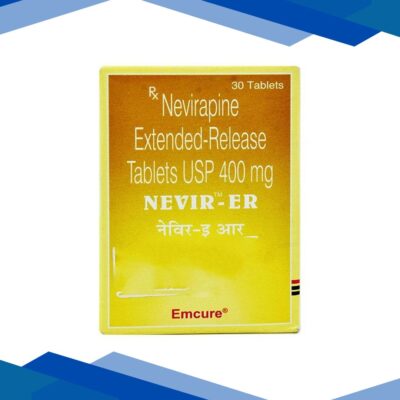
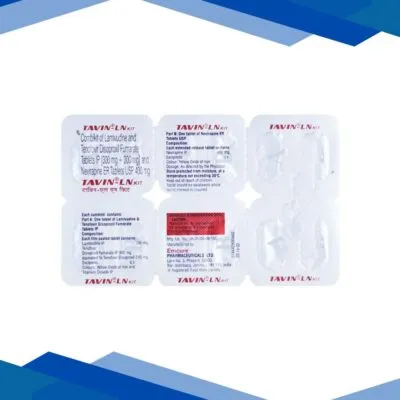
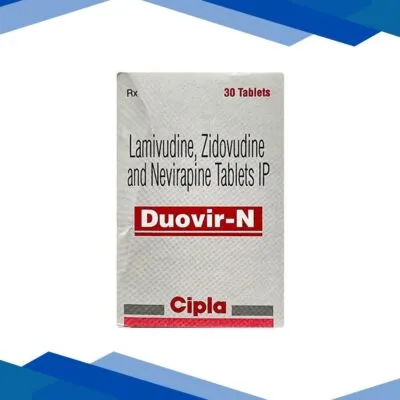
Nevirapine 200mg Tablet
Class: Antiretroviral / Non-Nucleoside Reverse Transcriptase Inhibitor (NNRTI)
Nevirapine is a prescription medicine mainly used alongside other antiretroviral regimens to help manage and treat Human Immunodeficiency Virus (HIV-1) infection. By keeping viral replication under control, it supports and preserves your body’s natural defenses, even when the situation feels a bit overwhelming.
Quick Overview of Nevirapine
Primary Use: Treatment of HIV-1 infection, always in combination therapy
Mechanism: Non-nucleoside reverse transcriptase inhibitor (NNRTI)
Form available: Oral tablet / Oral suspension
Prescription Required: Yes
Key Benefits & What It Does
Nevirapine works by targeting a specific viral enzyme called reverse transcriptase. The virus needs this enzyme to keep multiplying and spreading through the body.
Suppresses Viral Growth: By binding directly to the enzyme, Nevirapine blocks the replication process, so the overall viral load in the blood stays as low as possible.
Immune System Support: Reducing the amount of virus helps the immune system recover, lowering the risk of opportunistic infections and other HIV-related complications.
Please note: Nevirapine is a long-term management therapy, not a permanent cure for HIV. It must be taken continuously exactly as prescribed by your healthcare specialist.
Common and Serious Side Effects
Like other medical therapies, Nevirapine can cause side effects, and not everyone will experience them. Careful monitoring, especially in the first few weeks, is important.
Common Symptoms
These are usually manageable, but inform your doctor if they persist:
Nausea and occasional vomiting
Mild headaches
General fatigue or low energy
Mild diarrhea or abdominal discomfort
Serious Side Effects (Seek urgent medical help)
Stop the medication and get emergency care if any of the following appear:
Severe Skin Reactions: New rash, blisters, fever, mouth sores, facial swelling, or red watery eyes (possible warning signs of Stevens-Johnson Syndrome)
Liver Problems (Hepatotoxicity): Ongoing abdominal pain (especially upper right side), dark urine, pale stools, loss of appetite, or jaundice (yellowing of skin/eyes)
Essential Precautions & Safety Advice
The 14-Day Lead-In Period
To reduce the risk of rash, clinicians usually start with a once-daily lower dose for the first 14 days, then switch to the standard twice-daily regimen. Never increase the dose early unless instructed by a clinician.
Critical Considerations
Liver Health: People with moderate-to-severe liver disease are generally advised to avoid Nevirapine. Liver function tests are typically monitored during the first 18 weeks of therapy.
CD4 Count Thresholds: Starting therapy is usually not recommended for adult females with CD4+ counts above 250 cells/mm³, or adult males above 400 cells/mm³, unless a specialist advises otherwise due to increased hepatic risk.
Pregnancy & Lactation: Inform your healthcare team if you are pregnant or planning pregnancy. Women living with HIV are generally advised to avoid breastfeeding to prevent transmission.
Drug Interactions: Nevirapine may reduce the effectiveness of hormonal contraceptives, some antifungals, and other antiretroviral drugs. Share all medications and supplements with your doctor.
Frequently Asked Questions (FAQs)
Q. What is Nevirapine exactly, and how does it help?
A. Nevirapine is an NNRTI antiretroviral. It is used with other medicines to manage HIV-1 by blocking the enzyme the virus uses to replicate, thereby reducing viral burden.
Q. If my viral load becomes undetectable, can I stop Nevirapine?
A. No. Do not stop or change the dose. Stopping can allow the virus to rebound quickly and may lead to drug resistance, complicating future treatment.
Q. I missed a daily dose by accident, what now?
Take it as soon as you remember. If it is close to the next dose, skip the missed one. Do not double dose. If you miss doses repeatedly for more than 7 days, contact your physician before restarting.
Q. Does Nevirapine interact with food or alcohol?
It can be taken with or without food. A light meal may reduce stomach upset. Avoid alcohol, as it can increase liver strain.
Q. Why are the first two weeks considered so important?
The first 14 days are a key safety phase using a lower dose to reduce skin reaction risk. After monitoring, your doctor may increase to the full therapeutic dose if tolerated well.