
Showing all 4 resultsSorted by popularity
Filter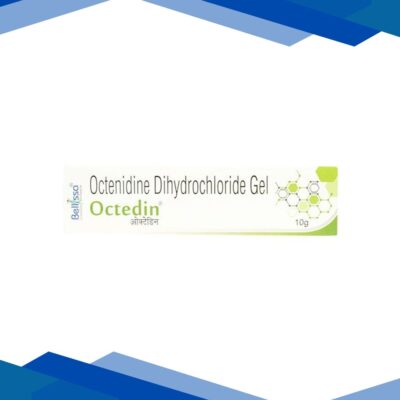
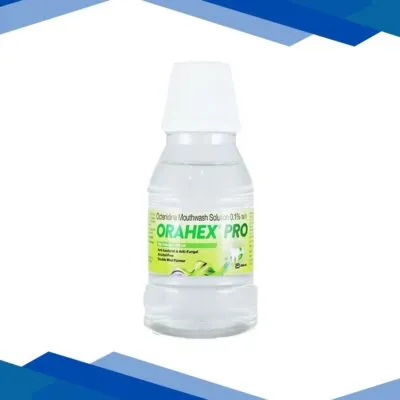
ORAHEX PRO Mouth Wash 150ml
Octenidine Dihydrochloride: Uses, Side Effects, and Better Alternatives
What is Octenidine?
Octenidine Dihydrochloride is a strong modern antiseptic, plus antimicrobial agent. It is commonly used to prevent and manage bacterial and fungal skin issues, cleanse wounds, and support healthy skin hygiene. Compared with older antiseptics that can sting or interfere with recovery, Octenidine works fast by messing with the cell walls of harmful germs, while not harming normal human tissue.
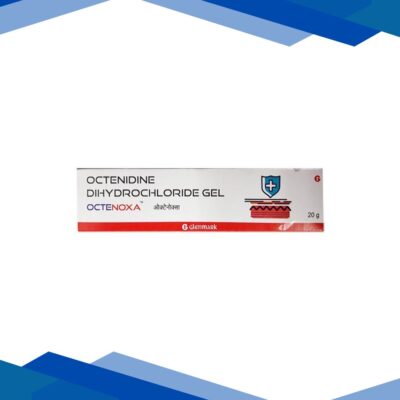
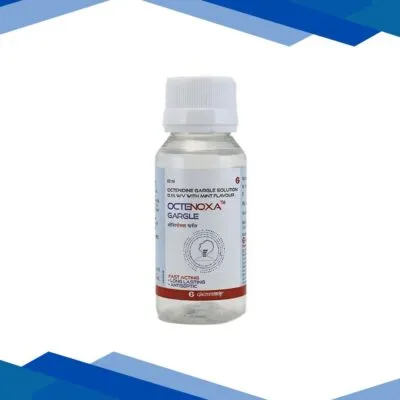
You can often find it through online pharmacies in different formats, like topical gels, solutions, and sprays, which makes it easier for people to pick what fits.
Product Highlights & Benefits
Broad-Spectrum Action: Effective against many types of bacteria, fungi, and lipid-enveloped viruses.
Long-Lasting Protection: Leaves a residual shield effect, so it keeps protecting the skin against microbial growth for as long as 48 hours after you apply it.
Gentle on Skin: A non-stinging approach, with low tissue irritation, which supports use on sensitive skin and small open wounds.
Tissue-Friendly: Does not interfere with natural wound granulation or the healing pathway.
Key Medical Indications & Uses
Your clinician might suggest Octenidine for several dermatology and wound care needs, including:
1. Management of Skin Infections
It may be used for localized superficial infections such as impetigo, recurring boils, inflamed hair follicles (folliculitis), and minor fungal flare-ups.
2. Antiseptic Wound Care
This is helpful for cleaning and disinfecting minor cuts, scrapes, scratches, shallow lacerations, and chronic skin ulcers. It can reach microbial biofilms so the wound bed stays cleaner.
3. Pre and Post-Surgical Care
In both clinical settings and at home, it can disinfect the skin before minor procedures, or help keep suture lines less likely to develop a secondary infection.
How Octenidine Works
Octenidine disrupts the physical structure of micro-organisms. Because it carries a positive charge, it sticks tightly to the negatively charged cell walls found in bacteria and fungi. Once it binds, the microbial cell membrane breaks down, contents leak out, and the germ gets destroyed quickly. Since it attacks the structure itself, resistance is less likely to happen.
Common Side Effects
Most people do tolerate Octenidine well. Still, any topical product can sometimes cause mild reactions, usually localized and short-lived:
Side Effect | Typical Pattern | What to Do
Mild burning or stinging | Rare / Temporary | Usually fades within a few minutes
Skin redness (Erythema) | Uncommon | Let the area get air, avoid tight clothing
Localized itching | Uncommon | Try not to scratch, so the infection does not spread
Important note: If you get an unexpected severe allergic reaction, like face swelling, a severe rash, or trouble breathing, stop using it immediately and seek urgent medical help.
Expert Advice & How to Use
Clean the Area First: Rinse gently, pat dry, then apply.
Application: Put on a thin, even layer of gel or spray, usually 2 to 3 times daily, unless your doctor said otherwise.
Let it Dry: Leave it on until dry, so the protective residual barrier forms.
Avoid Tight Bandaging: Do not cover treated skin with airtight occlusive dressings unless your doctor specifically instructs you, because it can increase tissue absorption and mild irritation risk.
Avoid Sensitive Zones: External use only. Keep away from eyes, inside the nose, and deep inside the ear.
Frequently Asked Questions (FAQs)
Q. Can I stop using Octenidine as soon as my skin looks better?
No, it is best to finish the full course your healthcare provider prescribed. Stopping too early can let lingering microbes multiply again, and the problem may come back.
Q. Is Octenidine safe on open wounds?
Yes, it is made for superficial wounds, minor cuts, and minor burns. It cleans without the painful stinging linked to alcohol- or iodine-based antiseptics. But do not use it for deep puncture-type wounds unless a doctor tells you to.
Q. Can I use Octenidine at the same time as an iodine ointment?
Avoid combining Octenidine with iodine antiseptics, like povidone-iodine. Mixing can cause temporary dark discoloration and can also lower antimicrobial effectiveness of both products.
Q. What if I miss an application?
If you forget a dose, apply it when you remember. If it is nearly time for the next scheduled dose, skip the missed one and continue normally. Do not apply double amounts to catch up.
Q. Can pregnant or breastfeeding women use Octenidine?
Octenidine is not usually absorbed much through skin, but pregnant or nursing people should still check with their doctor before starting any new topical medication. If it is used on the chest or breast area, wash it off thoroughly before breastfeeding.