
Showing 1–20 of 28 resultsSorted by popularity
Filter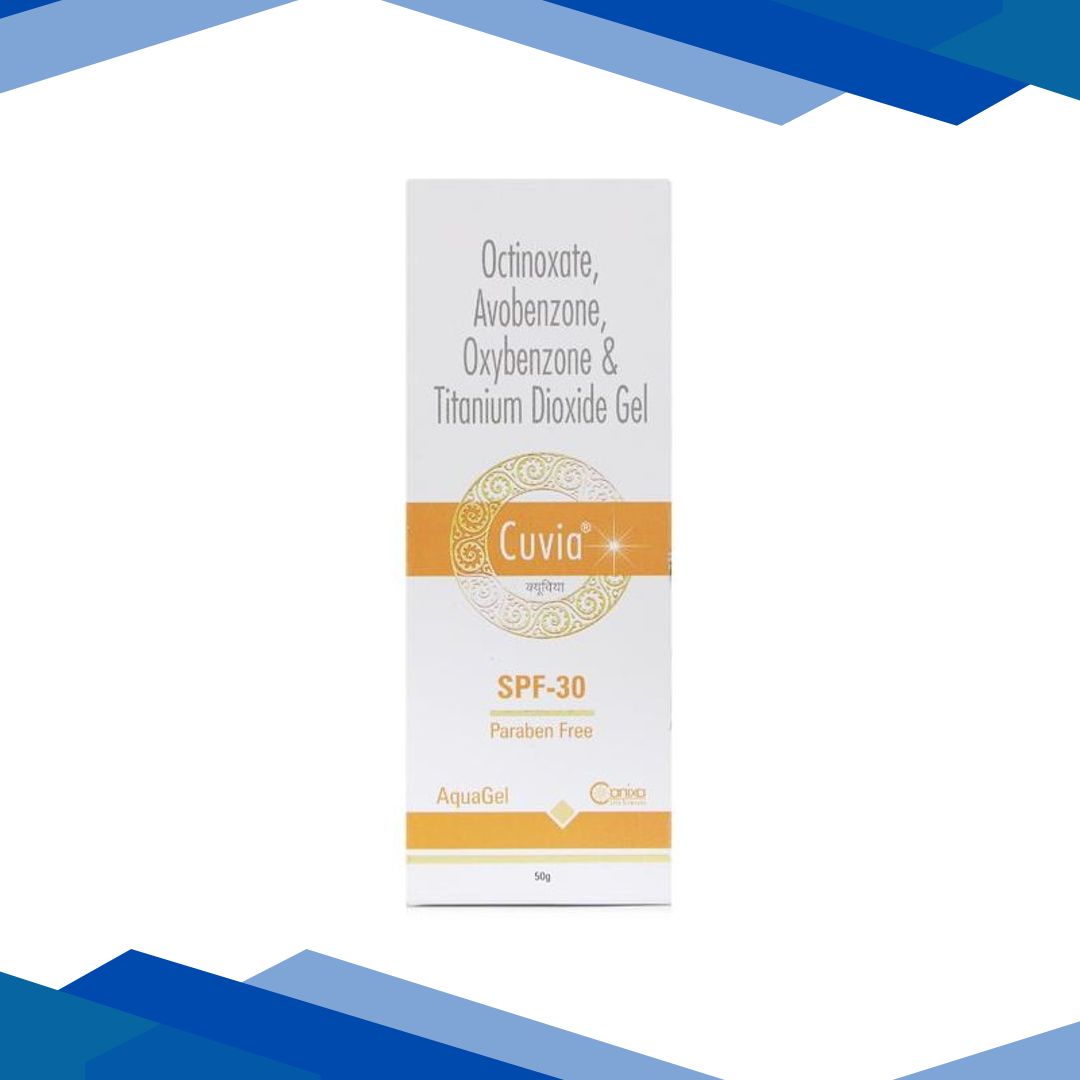
CUVIA SPF 30 AQUA Gel 50gm
I GLOW LITE SPF 42 Sunscreen Gel 60ml
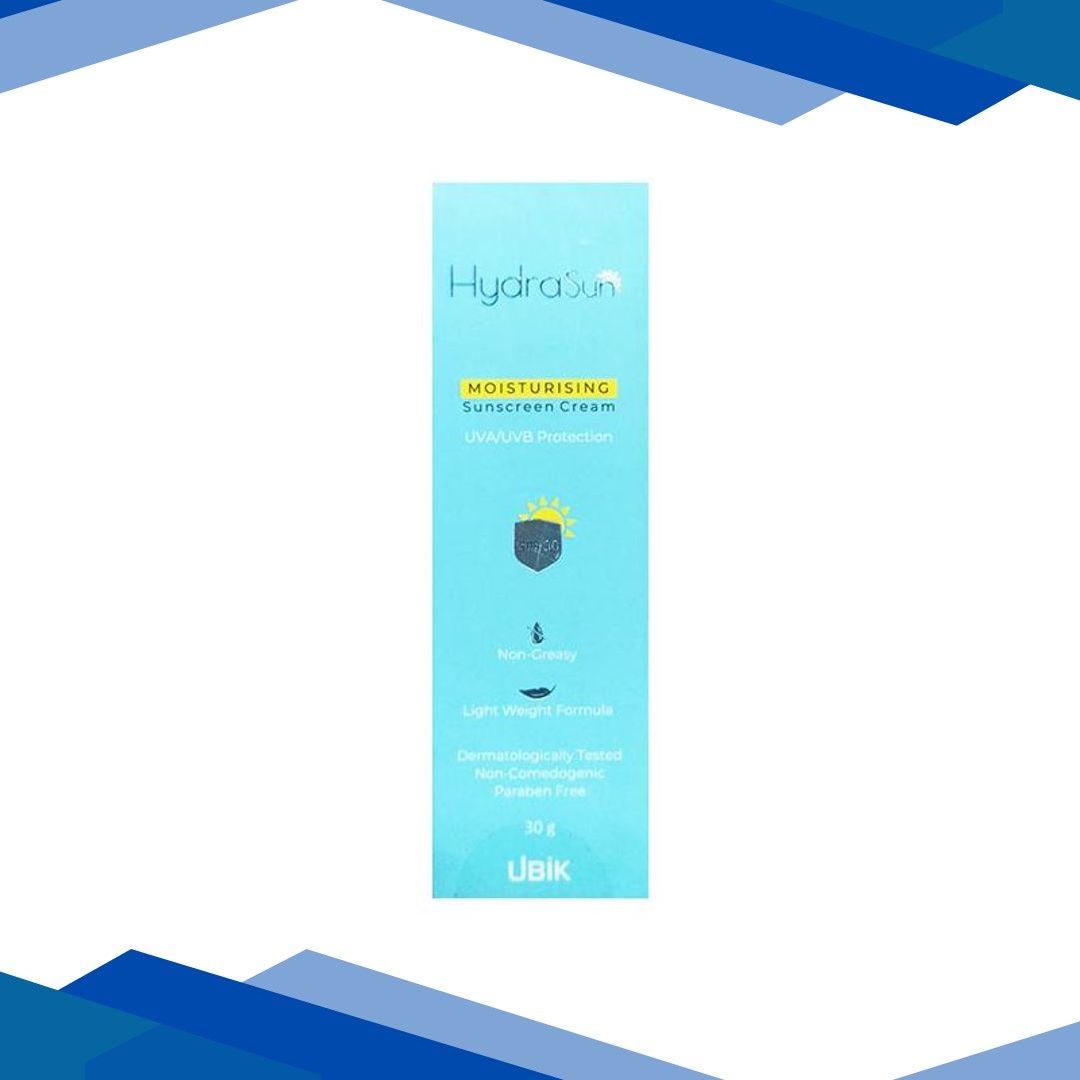
HYDRASUN UVA/UVB SPF 30 MOISTURIZING SUNSCREEN Cream 30g
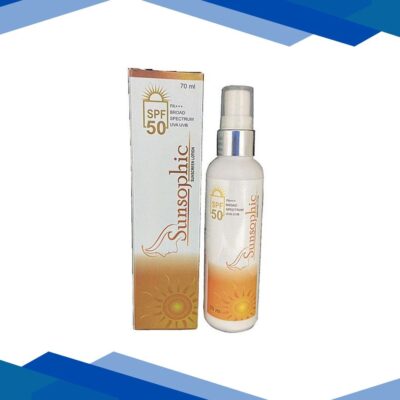
SUNSOPHIC SPF 50 Lotion 70ml
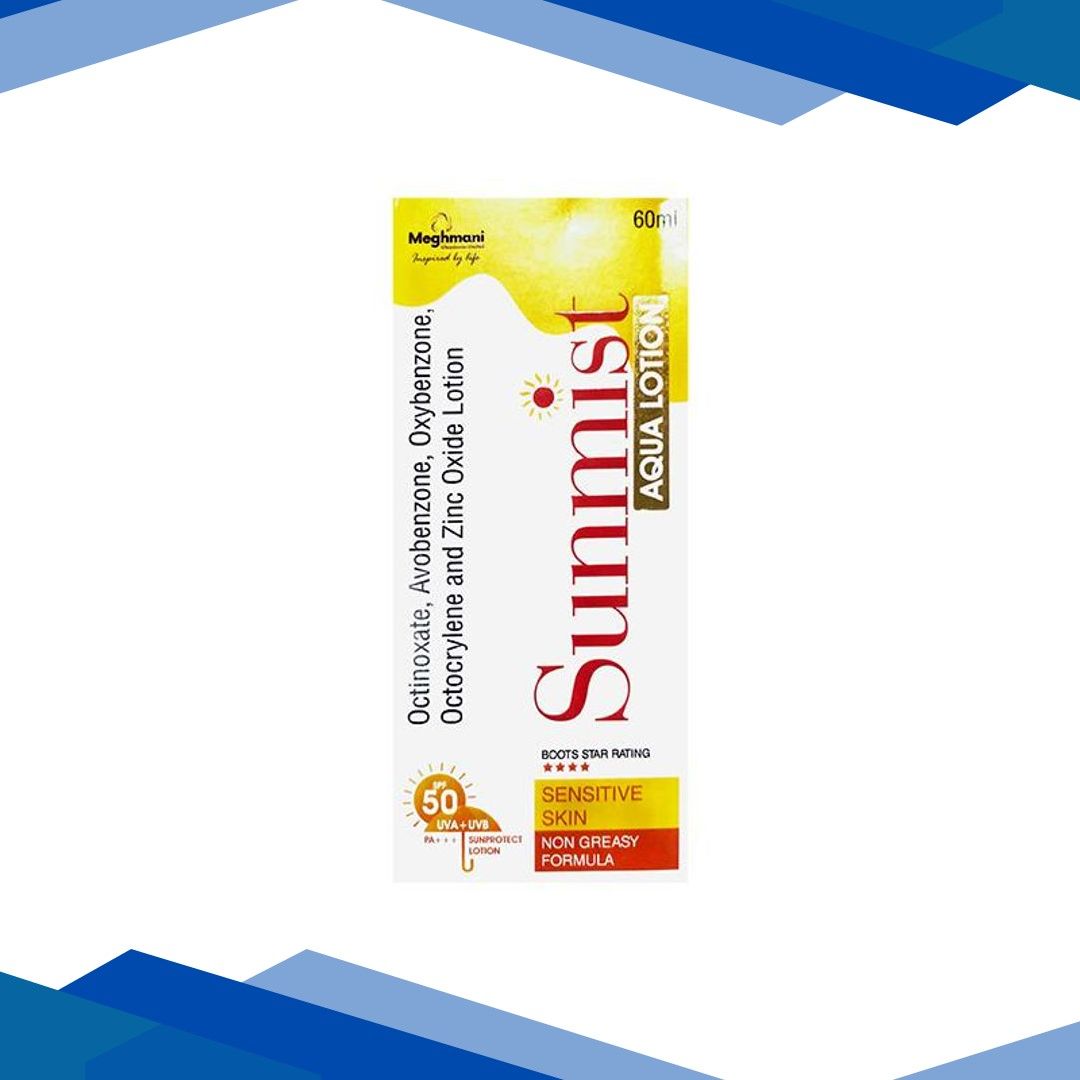
SUNMIST AQUA SPF 50 PA+++ UVA+UVB SUN PROTECT Lotion 60ml
SUNCOTE SPF 50+ PA++++ UVA Cream 50g
Suncros SPF 26 Aquagel 100gm
Suncros 50 SPF 50 Sensitive Skin Aqualotion 60ml
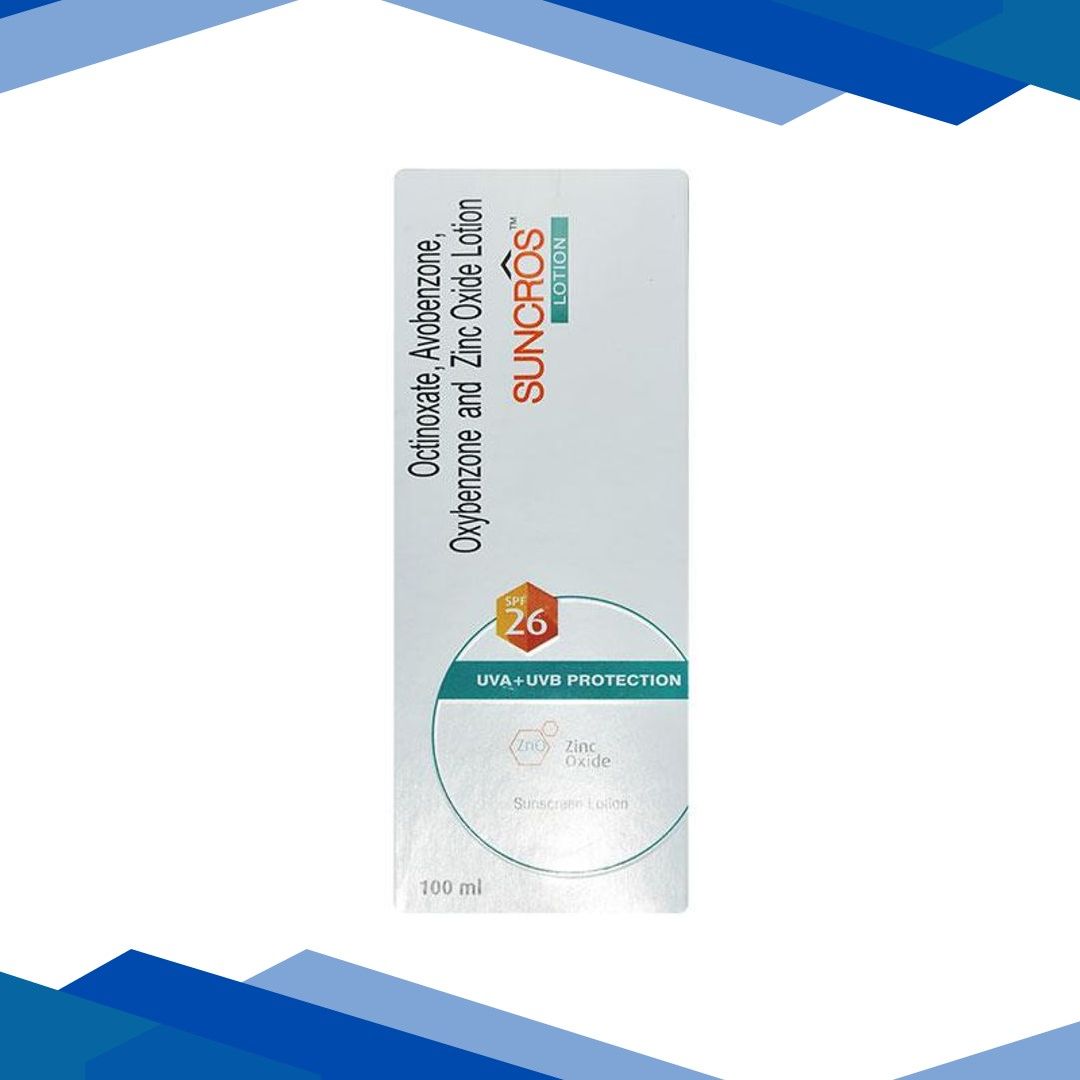
Suncros Sunscreen SPF 26 Lotion 100ml
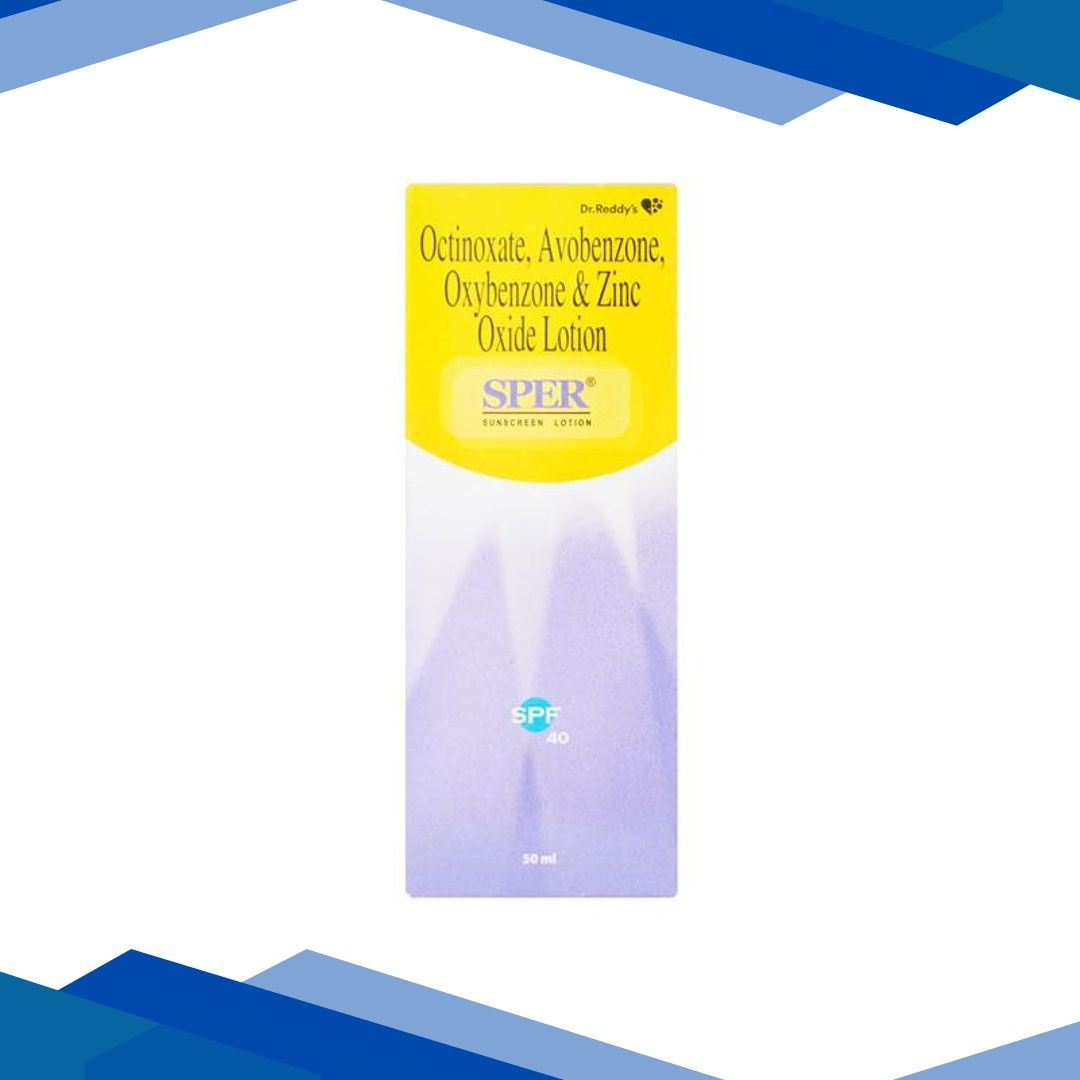
Sper Sunscreen Lotion 50ml

UVHOLD SUNCAT BASED SUNSCREEN SPF 30 Gel(Topical) 100ml
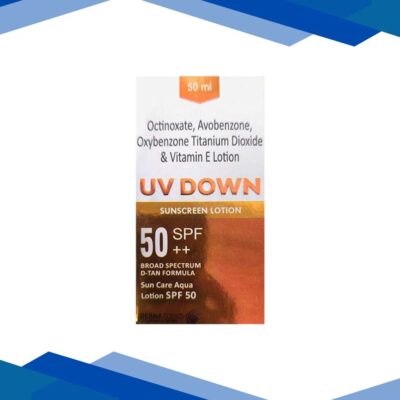
UV DOWN SPF 50++ SUNSCREEN Lotion 50ml
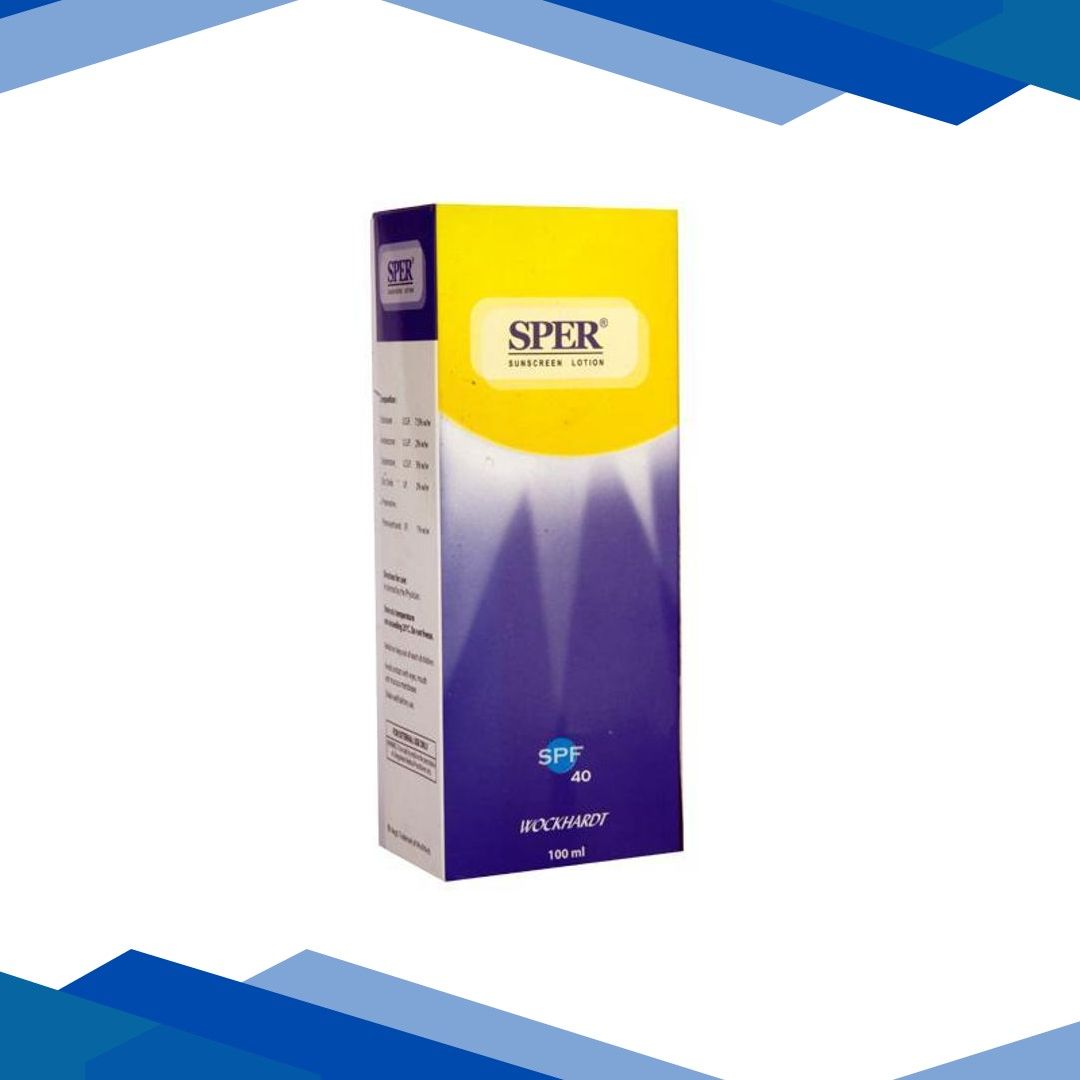
Sper Sunscreen Lotion 100ml
UVAVO SUNSCREEN SPF25+ PA+++ Lotion 30gm
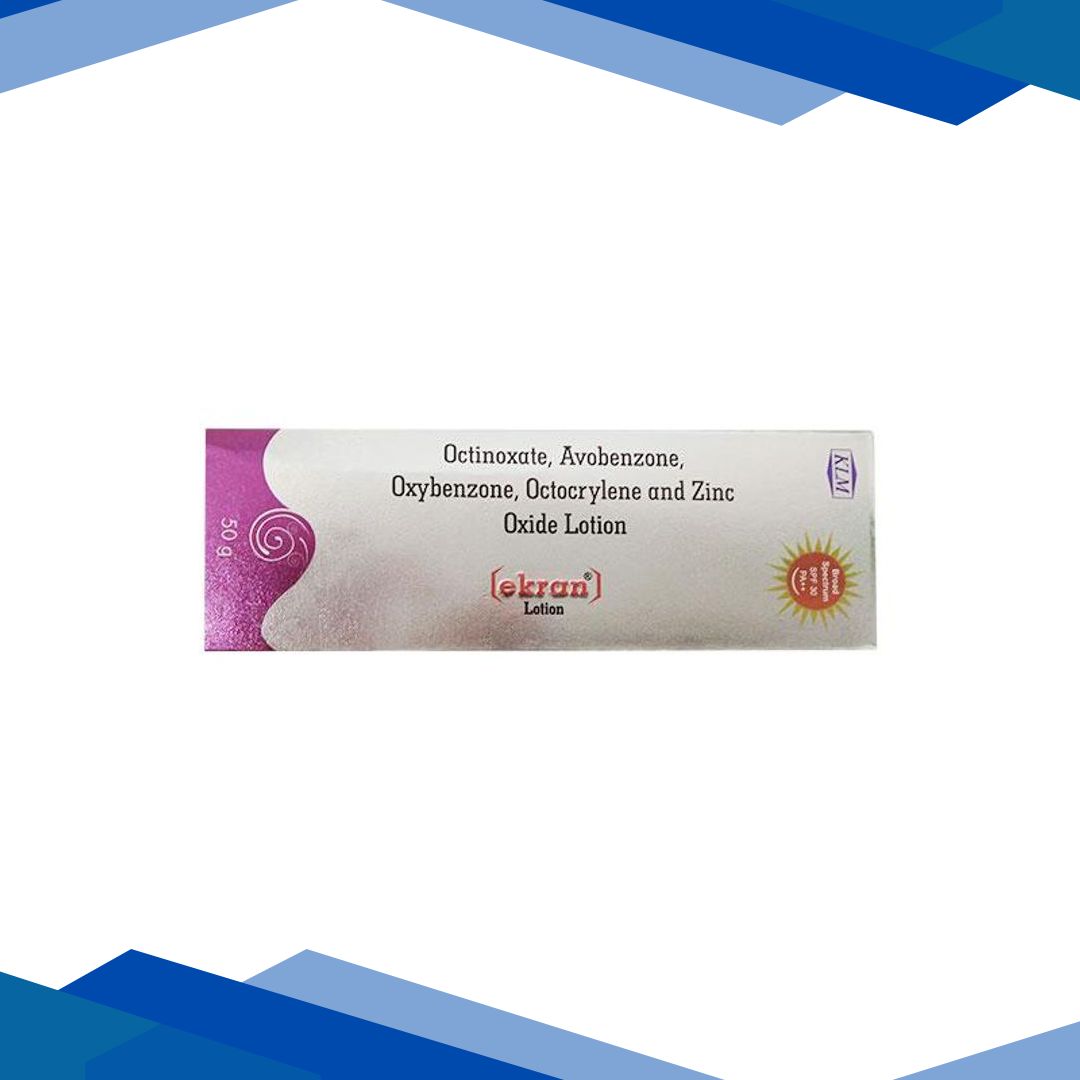
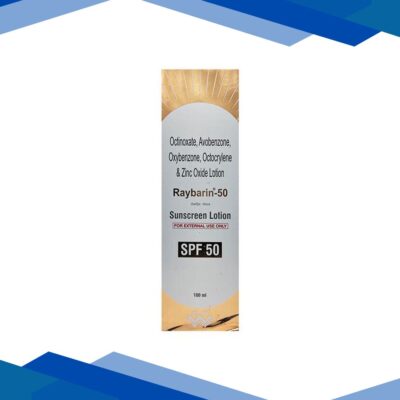
Raybarin SPF 50 Lotion 100ml
Oxybenzone: Advanced Photoprotection & UV Absorption
Oxybenzone, chemically known as Benzophenone-3, is an organic compound that serves as a critical component in high-performance photoprotective formulations. So rather than acting as a physical blocker reflecting light, Oxybenzone stands as a chemical filter in order to absorb most energy from UV rays, turning the minor remainder into heat dissipated at the body’s skin surface. Oxybenzone is extremely valuable in the arena of clinical dermatology, providing protection from a broad spectrum, specifically against short wave UVA (UVA II) and UVB radiation between 280 nm and 350 nm. This dual action helps to prevent immediate cellular damage due to sunburn and the long-term oxidative stress of photoaging.
Therapeutic Benefits & Clinical Profile
Broad-spectrum synergy: Can be used to filter out both kinds of UV rays, including UVB (responsible for sunburn/erythema) and short UVA (deep-tissue aging). Photostabilization: Often in combination with other UV filters, such as Avobenzone, to enhance its photostability, thereby, ensuring the sunscreen is viable for longer when continuously exposed. Non-Ghosting Formulation: Unlike the zinc or titanium oxides, Oxybenzone is highly soluble and invisible upon application, making it great for everyday wear moisturizers and invisible sunscreens. Secondary Prevention: It is a secondary preventive against actinic keartosis and other light-induced Dermal pathologies by preventing possible damage to the DNA.
Pharmacological Opinion: Chemical vs. Physical UV Filters
PropertiesOxybenzone (Chemical Filter)Zinc Oxide (Physical Filter)ActionAbsorbs and converts UV to heatReflects and scatters UV raysWavelengthSpectrum: Broad-spectrum (UVA II & UVB)Full spectrum (UVA & UVB)MindFeel/Light, Transparent, and FluidSolid/Heavy, Can Be WhiteApplicationRequires between 20 minutes to “set”Efficacious on applicationHypersensitivityMight not be perfect for hypersensitive skinUsually harmless/Hypoallergenic
How to Utilize and AdministerVariably Provided Insight
The 20-Minute Rule: For chemical filters like Oxybenzone to permeate the stratum corneum (upper skin layer), the product should be applied at least 20 minutes before any sun exposure. Quantity: Apply according to the “two-finger rule” for the face and neck to effectively ensure proper UV-filtering molecules are efficient. Reapplication: It should be reapplied every 2 hours, or immediately after swimming if spilt into the water since its compound may destabilize due to friction and perspiration.
Frequently Asked Questions (FAQs)
1. Is Oxybenzone safe for daily use? The use of oxybenzone throughout the globe has been practiced for a lot of years. The application of oxybenzone is FDA-approved up to the level of 6%. Plausibly, a small percentage of patients having a history of photo-allergies or very reactive skin may experience the occurrence of immediate-type reactions; hence, they must manage a small trial on a small portion prior to a decision of widespread application thereof.
2. Does it absorb into the bloodstream, Oxybenzone? Yes! The clinical studies of these agents carried out on one side reported the absorption of Oxybenzone into the bloodstream, even though in small quantities. Nevertheless, the FDA and several dermatological bodies sustained that Oxybenzone’s level of exposure could not be associated with an adverse health impact in actual practice, that is, the benefits of shielding skin against damage marginalized the risks.
3. Can I use Oxybenzone-based products on my children? For newborns under 6 months, it is important to reduce sunlight exposure to a minimum. In older children, generally, Oxybenzone is safe; however, several pediatricians recommend giving mineral-based filters (Zinc/Titanium) to very delicate or eczematous skins to reduce the potential for developing irritant contact dermatitis.
4. Why are some regions banning Oxybenzone? Certain coastal regions (Hawaii, for instance) have banned Oxybenzone over concerns of its influence on the environmental aspects of coral bleachings. Before entering the protected marine ecosystem, consider using only “Reef-Safe” mineral-based options. Oxybenzone is still the gold standard filter for daily urban use.
5. Can Oxybenzone address the issue of hyperpigmentation? When UVA II rays are blocked by Oxybenzone, the triggers for melanogenesis (pigmentation) are stopped, thus making it highly supportive to those on lightening agents and others who have melasma, among other conditions.
Safety & Quality Standards
Formulation: All oxybenzones are processed so that they have zero contamination and maximum lipid matrix solubility within the carrier lotion. Storage: Store in a cool place away from direct heat. Although the molecule is photostable, excessive heat could still break down the emulsifiers in the cream or lotion. Disclaimer: The information in this article is intended for general information purposes. Do not make any attempt to use this article as a substitute for professional advice after having an active skin infection or undergoing a clinical chemical peel.