
Showing all 5 resultsSorted by popularity
Filter

OXY Dihydrate LA Injection 50ml
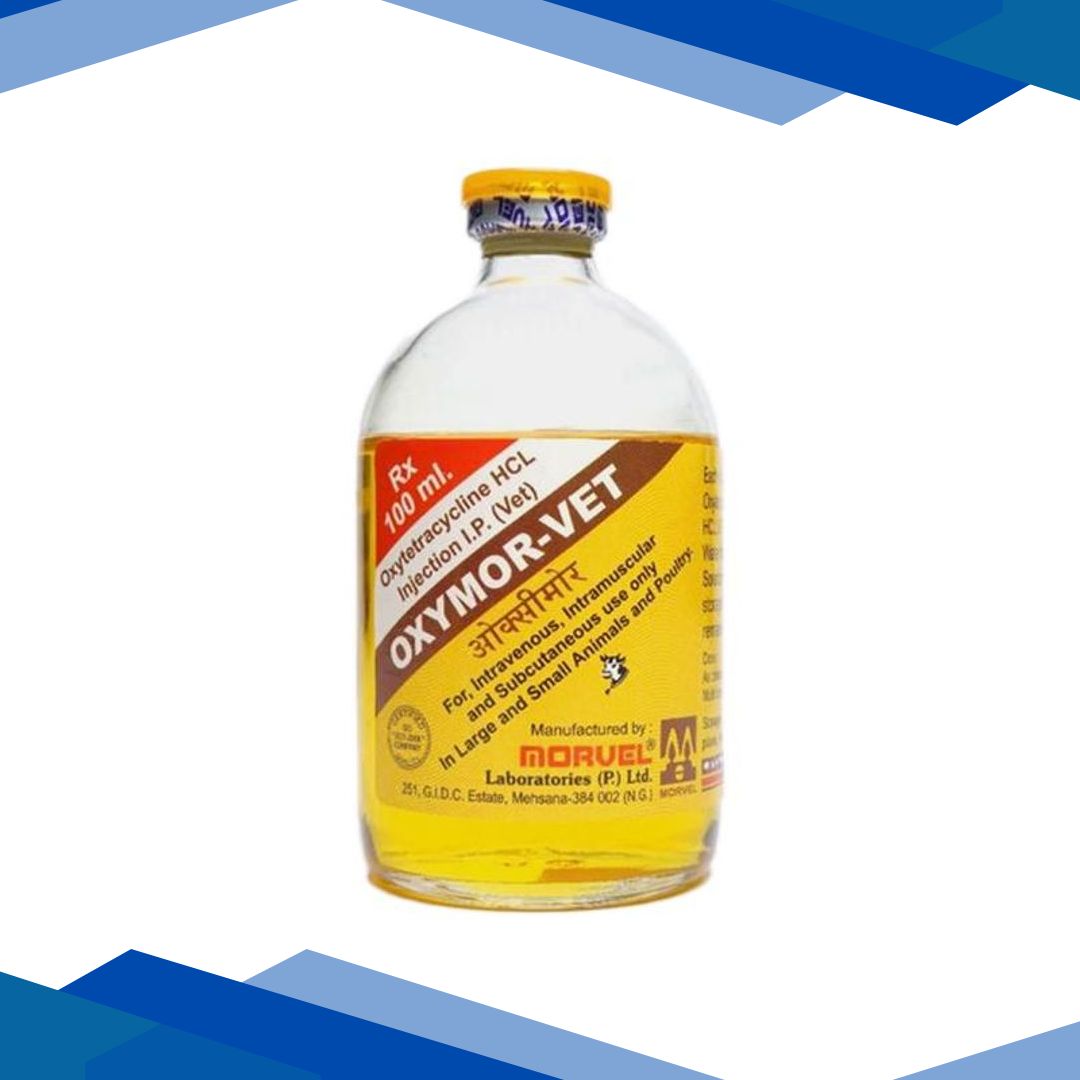


OXY Dihydrate LA Injection 30ml
Oxytetracycline
Oxytetracycline is a versatile, broad spectrum antibiotic that comes from the tetracycline group. It is commonly prescribed to help target and eliminate different bacterial infections that show up in the lungs, skin, eyes, and urinary tract. When it stops bacteria from spreading, the medicine can help your body clear the infection faster, and in a more effective manner.
Fact Box
- Chemical Class: Tetracyclines
- Therapeutic Class: Anti infective / Antibiotic
- Habit Forming: No
- Prescription Required: Yes
Product Introduction
Oxytetracycline is an oral antibiotic, made to inhibit bacterial multiplication in the body. It tends to work well for typical bacterial infections, and for certain dermatologic concerns as well, such as severe acne.
For maximum efficacy, this medicine has to be taken exactly the way your healthcare provider says it, no shortcuts. Even if your symptoms start getting better within a few days, it is vital to finish the full course of treatment. Stopping the dose early can let the surviving bacteria adapt, and then the infection can come back in a more resilient, drug resistant form.
Primary Uses of Oxytetracycline
- Treatment of Bacterial Infections: Helps clear moderate-to-severe bacterial infections affecting the respiratory tract, urinary system, eyes, and soft tissues.
- Management of Acne Vulgaris: Goes after Cutibacterium acnes, the bacteria behind sore inflamed skin episodes and pustules.
- Management of Specific STDs: Serves as an alternative approach for some chlamydial and particular sexually transmitted infections, when first line antibiotics cannot be used.
How It Works
Oxytetracycline works by stopping bacterial protein synthesis, so the microbes can’t make the proteins they actually need to grow, patch up damage, and reproduce. The drug moves into the bacterial cell then latches onto its internal, cellular machinery which in practice shuts down the production line for those essential proteins. When the bacteria can’t multiply anymore, the existing population tends to stall, and then your body’s immune defenses can handle the leftovers, weakening and clearing the infection.
Directions for Use and Quick Tips
To use this therapy well, and lower possible problems, keep these reminders close:
- Empty stomach requirement: Take Oxytetracycline on an empty stomach, preferably 1 hour before eating or 2 hours after. When you take it with food, the absorption can change a lot, and the effect becomes less reliable.
- The dairy rule: Avoid milk, cheese, yogurt, and other dairy products for 2 hours around your dose. Calcium can bind to the medication, and that makes it less effective.
- Antacids and More: Skip Them: Try not to take antacids, iron supplements, or multivitamins that include zinc for at least 2 hours before, or 6 hours after, using Oxytetracycline. They can reduce how well it absorbs, and that is a big deal.
- Protect Against Sun: This medicine can make your skin more sensitive to UV rays, meaning photosensitivity happens more easily. Use broad spectrum sunscreen, and when you head outside wear protective clothing, like a hat or long sleeves.
- Extra Birth Control Backup: Tetracyclines can sometimes make oral contraceptive pills less reliable. During the treatment period use a non hormonal barrier option, like a condom, so you are covered.
Potential Side Effects
Most people handle it fine, yet during adjustment you may notice some short lived effects:
- Nausea, and vomiting
- Mild diarrhea or loose stools
- Skin sunburn risk due to increased sensitivity
- Temporary dizziness, or a lightheaded feeling
Important Alert: If you end up with severe, watery diarrhea, blood in your stool, an unexpected skin rash, intense itching, or swelling of the face, tongue, or throat, stop taking the medication right away and seek urgent medical help.
Safety And Precautionary Notes
| Category | Safety Status | Detailed Guidance |
|---|---|---|
| Alcohol | Caution Advised | There is no direct lethal interaction. Still alcohol can amplify dizziness and gastric irritation. It is best to avoid it. |
| Pregnancy | Not Recommended | This is contraindicated during pregnancy. It can move across the placental barrier, and lead to permanent tooth discoloration as well as problems with bone development in the fetus. |
| Breastfeeding | Consult Doctor | Residues can pass into breast milk. Even if brief, short-term use might be permitted by a specialist at times, other options are usually preferred. |
| Driving | Extra caution recommended | This may cause mild dizziness or vertigo for some patients. Try not to drive or use machinery until you know 100% how it affects you. |
| Kidney Disease | Not safe, strict monitoring | Please use with extreme caution. If kidney function is reduced, the medicine can build up in your body. A doctor must set dose changes, this is mandatory. |
| Liver Disease | Caution advised | Higher doses or longer use can put stress on the liver. Make sure your physician knows your liver health history completely before you start. |
Frequently Asked Questions (FAQs)
Can I drink milk or eat ice cream right after taking Oxytetracycline?
No. You should avoid dairy items like milk, cheese, yogurt, ice cream for at least 2 hours before and 2 hours after your dose. The calcium in dairy binds fairly tightly to Oxytetracycline inside your stomach, this can stop absorption and may weaken the whole treatment.
Why do I have to finish the whole bottle if my infection feels completely healed?
Stopping an antibiotic too soon can be risky. Even when your symptoms seem to calm down, the strongest and most stubborn bacteria may still hang around after the first days of treatment. If you quit early, those survivors can re grow, trigger a return of the infection, and also push toward antibiotic resistance. After that, the next round of treatment is usually much more difficult.
Does Oxytetracycline cause permanent discoloration on teeth?
Yes, it can, especially when teeth are still forming. Because of this, Oxytetracycline is kept strictly away from pregnant women from the second trimester onward, and also from children who are under 12 years old. The drug can attach to calcium in developing dental tissues, leading to a permanent yellow-gray-brown shade.
What should I do if I accidentally skip a dose?
Take the missed dose as soon as you remember, but if it is almost time for your next scheduled dose, skip the missed one entirely. Then go back to your usual routine. Never take two doses at the same time to catch up, because that increases the risk of severe stomach upset and toxicity.
Can I take my daily multivitamin pill alongside this antibiotic?
No. Multivitamins often include minerals like iron, zinc, magnesium and calcium. These metals can interact chemically with oxytetracycline, preventing its absorption. Keep your multivitamin away from the antibiotic by at least 2 hours before, or 6 hours after your dose.