
Showing all 3 resultsSorted by popularity
Filter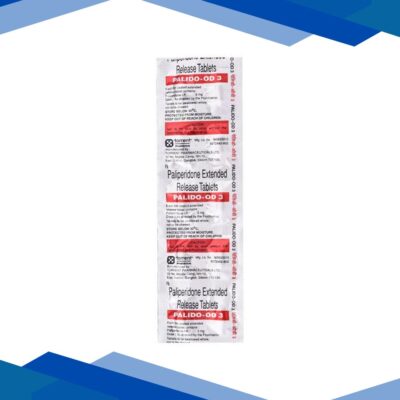
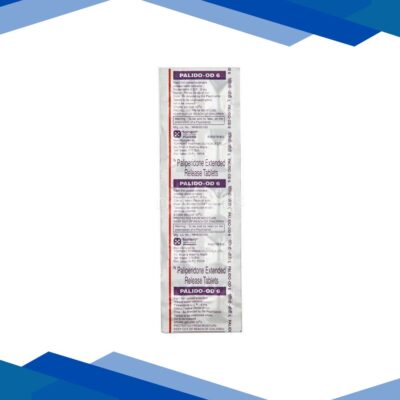
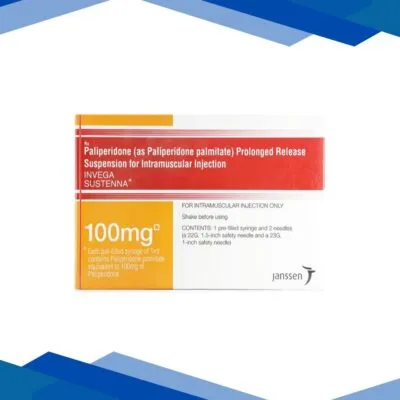
Invega Sustenna 100mg Injection(Pfs) 1’s
Paliperidone Overview, Uses, and Side Effects
Paliperidone is an atypical antipsychotic, it is mostly used to manage and balance mental health issues in people who need more steady control. In the brain it shifts the action of certain natural chemical messengers, mainly dopamine and serotonin, so mood, conduct, clarity, and emotional reactions can be brought back into a more stable rhythm. It comes as extended-release oral tablets, and also as long acting injections in suspension, these versions help keep the medication present in a consistent way, giving daily routines a better chance to feel manageable again.
Key Benefits and Uses
Mental health clinicians often recommend Paliperidone for harder psychiatric presentations, especially:
Schizophrenia: helps reduce core symptoms like hallucinations, meaning hearing or seeing things that are not there, delusions, and disorganized thinking.
Schizoaffective disorder: may be used alone, or alongside other treatments, to stabilize intense mood swings, heavy anxiety, or manic episodes, while also addressing thought disturbances.
Relapse prevention: the long acting injectable form supports steady release of medicine over weeks or months, which lowers the chance of flare ups when doses are missed.
How to Take and Manage Your Dose
Morning routine: with oral extended-release tablets, many people take one dose daily, usually in the morning, to keep levels steadier.
Swallow whole: do not crush, chew, or split the tablets. They have a special shell that releases the medicine slowly across the day. If you notice a “ghost” tablet shell in your stool, that is normal, it usually just means the active medicine has already been absorbed.
Injection administration: the long-acting shots, which may be monthly or given every few months, must be administered by a healthcare professional, deep into the deltoid (shoulder) muscle or the gluteal (buttock) muscle.
Stay with the plan: psychiatric medications take time to build the right therapeutic effect. Do not change your dose, and do not stop abruptly, unless your doctor says so, because that can trigger a rebound of acute symptoms.
Safety Advice and Lifestyle Precautions
Category: Alcohol
Guidance: avoid drinking. Alcohol with paliperidone can greatly worsen drowsiness, cause extreme dizziness, and contribute to unpredictable drops in blood pressure.
Category: Pregnancy and Nursing
Guidance: be cautious. Speak to your doctor right away if you are pregnant or planning pregnancy. It can reach breastmilk, and an alternative treatment plan may be needed.
Category: Driving and Alertness
Guidance: unsafe at first. The medicine can cause strong sleepiness and may slow reflexes. Avoid driving or operating machinery until you know exactly how it affects you.
Category: Postural Changes
Guidance: rise slowly from sitting or lying down. Paliperidone can lead to orthostatic hypotension, meaning a sudden blood pressure drop on standing, which may cause lightheadedness.
Category: Temperature control
Guidance: this medicine can disrupt your body’s ability to manage its own temperature. Avoid dehydration, limit exposure to extreme heat, and drink fluids regularly.
Potential Side Effects
Even though Paliperidone can be very effective, your body may adjust and you may notice:
drowsiness or fatigue, and sometimes restlessness, also called akathisia
weight gain, and possible shifts in blood sugar and cholesterol, metabolic checkups are often recommended
mild tremor, muscle stiffness, or slower movement patterns
dry mouth, and unexpected indigestion
Critical Warning
Get immediate medical care if you develop a high fever along with severe muscle rigidity, a rapid or irregular heartbeat, or uncontrollable twitching or movements involving the face, tongue, or jaw.
Frequently Asked Questions
Q: Is Paliperidone the same as Risperidone?
They are tightly linked, but they are not identical. Paliperidone is the main active component that Risperidone breaks down into in the body. Since Paliperidone is already active, it can bypass certain liver metabolism steps, which may lead to a different side effect experience for some people.
Q: Why does my doctor want to switch me to the injection version?
Remembering a pill at exactly the same time every day can be hard. Long-acting injections, such as once per month or once every few months, remove the daily routine pressure. It helps your brain receive a steady and predictable dose while reducing the chance of accidental missed doses.
Q: Can Paliperidone increase blood sugar?
Yes. Like many atypical antipsychotics, it can change metabolic patterns, which may raise blood glucose and cholesterol levels. If you have diabetes already, or a family history, your doctor may order routine blood testing to monitor metabolic health.
Q: How long does it stay in your system after stopping?
If you are using oral tablets, the medication usually clears within about 4 to 5 days. With the long-acting injection, the medicine is designed to break down slowly, so it can remain active in tissues for several months after your last dose.