
Showing all 3 resultsSorted by popularity
Filter
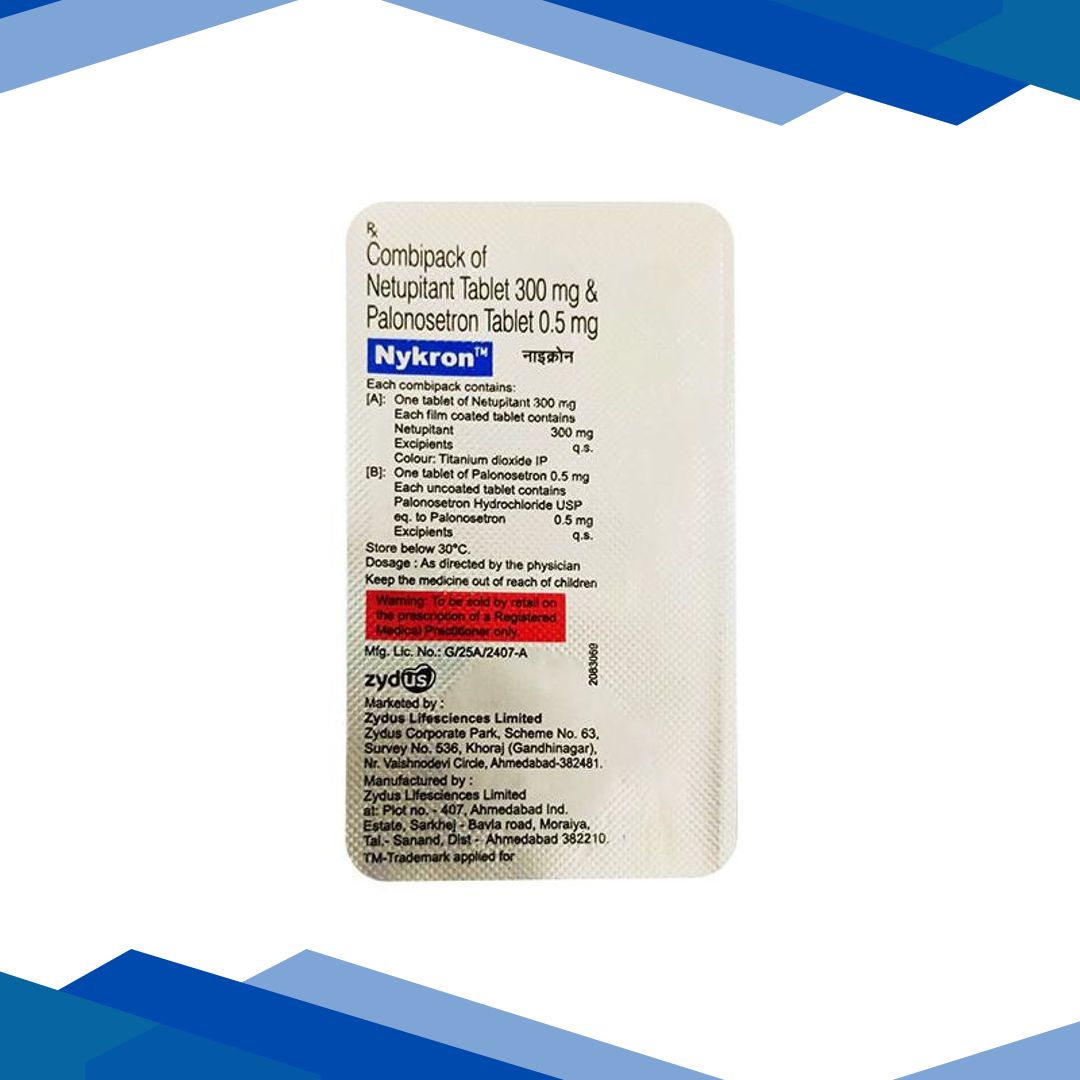
NYKRON COMBIPACK Tablet 1’s
Palonosetron 0.5 mg Capsule / 0.25 mg Injection
Palonosetron is a strong second-generation selective serotonin type 3 (5-HT3) receptor antagonist, used to prevent nausea and vomiting that gets triggered by emetogenic cancer chemotherapy, radiation therapy, and major surgical procedures. It feels a bit different than older first-generation antiemetics because it has a longer plasma half-life, so it keeps working, even for delayed-onset digestive upset.
Therapeutic Class: Antiemetics (Anti-Nausea Medications)
Pharmacological Class: 5-HT3 Receptor Antagonist
Common Forms: Oral Capsules (0.5 mg), Orodispersible Movies/Tablets (yes, sometimes listed this way) and Intravenous Injections (0.25 mg / 2 mL)
Prescription Requirement: Strictly Schedule H (Rx Required)
Primary Uses & Clinical Benefits
1. Prevention of Chemotherapy-Induced Nausea & Vomiting (CINV)
Palonosetron is effective at blocking the intense emetic reflex tied to demanding cancer regimens. It is approved for:
- Acute CINV: nausea appearing in the first 24 hours after chemotherapy.
- Delayed CINV: ongoing nausea and vomiting, usually showing up 2 to 5 days after a chemotherapy cycle.
2. Prophylaxis for Postoperative Nausea & Vomiting (PONV)
Given before anesthesia induction, it helps high-risk patients avoid severe retching and stomach distress for about 24 hours after major operations.
3. Extended Duration of Action
Older agents like Ondansetron break down faster, while one Palonosetron dose can bind tightly to receptors and keep its protective effect for days.
Mechanism of Action: How It Works
Chemotherapy medicines and surgical stress irritate the gastrointestinal lining, which makes enterochromaffin cells release serotonin (5-HT). This extra serotonin then binds to 5-HT3 receptors on vagal nerve pathways, plus inside the brain’s chemoreceptor trigger zone (CTZ), which acts like the command center for vomiting.
Palonosetron attaches to those 5-HT3 receptors with high affinity, so serotonin cannot dock there. When that signal pathway is muted, nausea messages have a harder time reaching the brain.
Mode of Administration & Dosage
Oral Formulations (0.5 mg Capsule)
Usually swallowed whole with water, about 1 hour before the chemotherapy session begins. Food timing does not matter much for most people.
Intravenous Formulations (0.25 mg Injection)
A qualified healthcare professional typically gives it as a single slow bolus over around 30 seconds, roughly 30 minutes before chemotherapy starts, or right before anesthesia induction.
Dosing Frequency
Because of its long duration, a single dose is usually enough for an entire chemotherapy cycle. Daily repeated dosing is generally not needed or advised.
Side Effects & Adverse Reactions
Palonosetron is often well tolerated, with a side effect profile that tends to be milder compared with many other anti-nausea options.
Common Side Effects
- Headache: the most commonly reported reaction, usually manageable with standard over-the-counter pain relief.
- Constipation: can happen due to slower gastrointestinal motility.
- Dizziness or Mild Fatigue: temporary lightheadedness while your body processes the medication.
Rare, Serious Symptoms (Get urgent help)
- Serotonin Syndrome: agitation, confusion, rapid heart rates, sudden muscle twitching, severe shivering, or loss of physical coordination.
- Hypersensitivity Reactions: anaphylaxis, swelling of the face, lips or tongue, severe skin rashes, or sudden chest tightness.
- Cardiac Changes: slow heart rates (bradycardia) or specific electrocardiogram changes like QT prolongation.
Safety Commitments & Drug Contraindications
| Risk Factors | Clinical Safety Status | Medical Advisory Note |
|---|---|---|
| Serotonergic Drugs | ⚠️ High Caution | Mixing Palonosetron with SSRI/SNRI antidepressants, or tramadol, raises the risk of Serotonin Syndrome. |
| Pregnancy | ⚠️ Caution | Limited human pregnancy data exist. Use only if the potential therapeutic benefit clearly outweighs risk to the fetus. |
| Breastfeeding | ⚠️ Caution | It is unknown whether the medication enters breast milk. Nursing should be paused temporarily after administration, following clinical direction. |
| Liver/Kidney Health | Safe | No routine dose adjustments are typically required for mild-to-moderate liver or kidney impairment. |
Frequently Asked Questions (FAQs)
Q. What makes Palonosetron different from older anti-nausea medicines like Ondansetron?
The main differences are potency and duration. Palonosetron binds to serotonin receptors much more tightly, and its half-life is about 40 hours, roughly four times longer than Ondansetron. That’s why a single dose can help prevent delayed nausea days after chemotherapy, while older drugs often needed multiple doses across several days.
Q. Can I take Palonosetron for everyday motion sickness or morning sickness?
No. Palonosetron is meant for severe, treatment-induced vomiting, like cancer therapies and surgeries. It is not meant for general motion sickness, stomach flu, or routine pregnancy morning sickness.
Q. What should I do if I vomit shortly after taking my oral Palonosetron capsule?
If you vomit within one hour after taking the oral dose, contact your care team or oncologist right away. Do not take another capsule by yourself. They will decide whether repeating is safe or if you should switch to intravenous Palonosetron before the next treatment step.
Q. Does Palonosetron cause severe drowsiness like older antihistamine nausea drugs?
No. Palonosetron generally does not enter the brain’s sedative pathways the way some older anti-nausea medications (for example promethazine) can. Mild fatigue or dizziness may happen occasionally, but severe drowsiness or impaired functioning is uncommon.