
Showing all 3 resultsSorted by popularity
Filter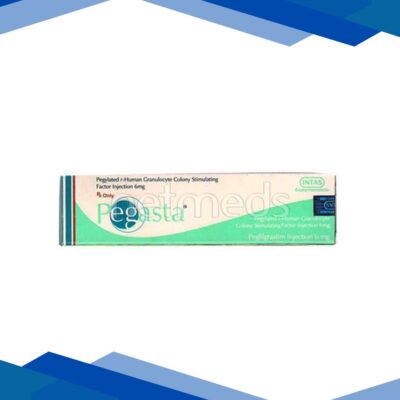
Pegasta 6mg Penfill Injection 1’s

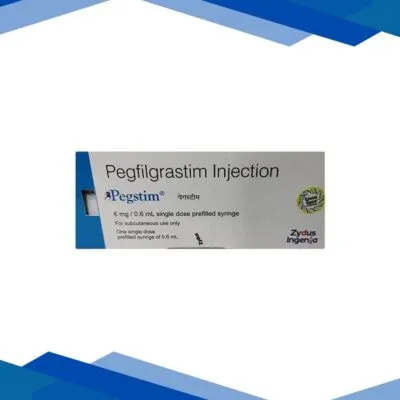
Peglast 3mg Prefill Injection 0.6ml
Pefloxacin 400 mg Tablet
Pefloxacin is a potent, broad-spectrum fluoroquinolone antibiotic made to deal with severe or complicated bacterial infections. It works by interrupting important bacterial replication steps, and that removes many Gram-negative and Gram-positive culprits. It is often chosen for deep-seated tissue infections, bone issues, and persistent urinary tract problems.
Therapeutic Class: Anti-Infectives
Pharmacological Class: Fluoroquinolone Antibiotics (4-Quinolone)
Standard Formulations: 400 mg Oral Tablets & Intravenous Infusions
Prescription Status: Strictly Schedule H (Rx Required)
Key Therapeutic Uses & Benefits
1. Eradication of Complicated Urinary Tract Infections (UTIs)
Pefloxacin works strongly for complex, deep urinary infections, including acute or chronic prostatitis (prostate inflammation) in men and uncomplicated acute cystitis in women.
2. Respiratory & Gastrointestinal Target Control
It provides solid clinical intervention for serious lower respiratory tract infections like stubborn pneumonia, and acute bronchitis exacerbations. It also targets bacterial gastrointestinal illnesses including typhoid fever.
3. Penetration in Bone and Joint Infections
Because it achieves better tissue bioavailability, Pefloxacin can enter structural body areas well, and it can function as a primary option or a follow-up treatment for osteomyelitis (bone infection) and joint effusions.
Mechanism of Action: How It Works
Pefloxacin acts on the genetic machinery of the invading microbe. It binds competitively to two essential bacterial enzymes: DNA Gyrase (Topoisomerase II) and Topoisomerase IV. These enzymes control uncoiling, repair cycles, and bacterial DNA replication. When their function is neutralized, Pefloxacin stops the cell-division cycle quickly, leading to structural breakdown and programmed cell death in active bacteria, while human cellular DNA is not targeted.
Proper Dosage & Method of Administration
Mode of Intake:
Swallow the tablet whole with a full glass of water. It is usually recommended alongside a standard meal, to reduce possible stomach sensitivity.
Dietary Restrictions:
Do not take Pefloxacin at the same time as dairy products (milk, yogurt, cheese), calcium-fortified juices, or mineral water, because calcium can markedly lower absorption.
Standard Adult Dose:
A common prescription guideline is 400 mg by mouth twice daily (every 12 hours), or a tighter plan designed by your infectious disease specialist based on liver function parameters.
Course Compliance:
Finish the full multi-day timeline your doctor prescribes. Stopping early because symptoms faded can leave resilient bacteria behind, increasing antibiotic resistance.
Notable Side Effects & Adverse Actions
Even though Pefloxacin can be effective, you still need attention to physiological changes.
Common Side Effects:
- Nausea, vomiting, or generalized stomach discomfort
- Transient diarrhea or loose stools
- Headaches, light insomnia, or mild dizziness
Serious Warnings (Stop treatment and call your care provider immediately):
- Tendon Pain: Sudden soreness, swelling, or local inflammation in tendons, especially the Achilles tendon in the heel
- Central Nervous System Shifts: Muscle tremors, involuntary twitching, severe confusion, disorientation, or hallucinations
- Severe Skin Flushes: Intense redness or blistering after even brief natural daylight exposure
Safety Commitments & Drug Interventions
| Contraindication Factor | Safety Profile |
|---|---|
| Alcohol | ❌ Unsafe |
| Pregnancy & Nursing | ❌ Contraindicated |
| Age Limits (Pediatric) | ❌ Unsafe |
| Antacids & Minerals | ⚠️ Interacts |
| History of Seizures | ⚠️ High Caution |
Medical Rationale & Guidance
- Alcohol: Alcohol with Pefloxacin can worsen neurological effects, causing extreme dizziness and loss of balance.
- Pregnancy & Nursing: Avoid completely. Fluoroquinolones have recorded toxicity concerns to arthrodial cartilage, which may lead to joint injury risk for a developing fetus or infant.
- Age Limits (Pediatric): Not approved for children and adolescents under about 12–15 years when bone and skeletal growth plates may not be fully closed.
- Antacids & Minerals: Magnesium/aluminum antacids, iron supplements, and zinc salts reduce absorption of Pefloxacin. Keep these at least 2 hours apart.
- History of Seizures: Use extreme vigilance if you have epilepsy. Fluoroquinolones can lower the seizure threshold, particularly when taken alongside NSAIDs.
Frequently Asked Questions (FAQs)
Q. What should I do if I experience sudden ankle or heel pain while taking Pefloxacin?
Stop taking the medication right away and avoid strenuous physical activity. Contact your prescribing physician without delay. Fluoroquinolones carry a black-box safety warning about higher risk of tendonitis and tendon rupture, especially the Achilles tendon. Risk is higher in patients over 65, or in people using corticosteroids such as prednisone.
Q. Why must I avoid tanning beds and direct sunlight during my antibiotic course?
Pefloxacin can trigger photosensitivity, meaning skin cells become highly reactive to UV rays. Sunlight exposure or tanning equipment can lead to rapid severe sunburn, blistering, and rash. Wear protective clothing and use a high-SPF sunscreen throughout treatment, and continue up to 4 days after your last dose.
Q. Can I use Pefloxacin 400 mg to treat a standard viral seasonal flu?
No. Pefloxacin is an antibacterial medicine; it does nothing against viral pathogens like a common cold, seasonal flu, or COVID-19. Using strong antibiotics for viruses contributes to antimicrobial resistance.
Q. How should I handle a missed dose of Pefloxacin?
If you miss a dose, take it when you remember. If your next scheduled tablet is less than 4 to 6 hours away, skip the missed dose entirely and return to your usual morning/evening timing. Do not take two tablets at once to compensate, because that can provoke gastrointestinal upset or muscle tremors.