
Showing all 2 resultsSorted by popularity
Filter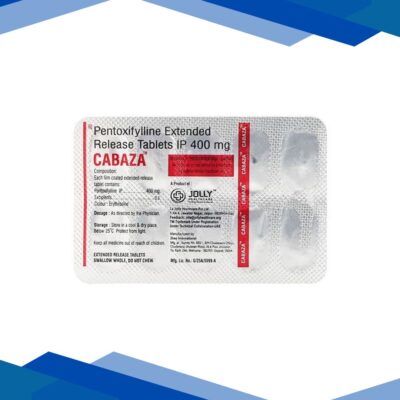

Pentoxifylline 400mg Extended Release Tablet
Product Highlights
Primary use: Treatment of intermittent claudication due to chronic peripheral artery disease.
Therapeutic class: Hemorrheologic agent, meaning it helps reduce blood viscosity.
How it works: It improves red blood cell flexibility, while at the same time it thins the blood flow, so microcirculation in the limbs becomes better.
Prescription requirement: Schedule H Drug / Prescription Only Medicine (POM).
Product Introduction
Pentoxifylline 400mg is a prescription medicine made to support circulation, especially for people with peripheral vascular disease. If you are dealing with intermittent claudication, which can involve severe leg cramps, muscle ache and numbness when walking, this medication acts on the physical characteristics of blood.
+1
Instead of acting like a straightforward vasodilatior, widening arteries in a direct way, Pentoxifylline focuses on blood thickness and how easily it flows. It helps red blood cells become more flexible, so they slip through thin, hardened pathways in the bloodstream with less trouble. As a result oxygen delivery rises to tissues in muscle that are basically being deprived, and patients often can walk further in a more comfortable way before they need a pause to rest.
+2
Key Benefits & Clinical Uses
Helps with Walk-Induced Leg Cramps: Works to ease the soreness, tight cramping, and general fatigue felt in calf, thigh, or hip muscles during activity.
Improves Walking Distance: Supports greater mobility by increasing the distance a person can cover without pain.
Enhances Microcirculation: Strengthens the oxygenation process and nutrient delivery to areas that suffer from poor arterial flow.
How to Use This Medicine
For the best results from your treatment, and to reduce the chance of unwanted effects, follow the plan exactly as your cardiologist or physician has prescribed.
Administration: Take the extended-release tablet whole with a full glass of water, try not to split it or crush it, because that messes up the sustained-release setup and can raise the chance of adverse effects.
Food Timing: Always take the medication with food or right after eating. This part matters, it helps coat your stomach and keep digestive problems at bay.
Typical Schedule: For most adults the usual dose is one 400mg tablet, taken three times each day. But your prescriber might rework this plan depending on your kidney or liver health.
Patience is Key: Some people notice better symptoms somewhere between 2 and 4 weeks, however it may take as long as 8 weeks of steady use before you feel the full clinical payoff.
Side Effects & Precautions
Most patients handle Pentoxifylline well, yet mild whole-body changes can show up as your system adjusts.
Common Side Effects:
Nausea, bloating, gas, or general indigestion (dyspepsia)
Dizziness, or feeling lightheaded
Mild headaches, or flushing, that warmth and redness in the face or neck
Important Safety Warnings:
Bleeding Risks: Since Pentoxifylline lowers blood stickiness, it needs extra attention if you are using blood thinners, like warfarin, aspirin or clopidogrel. It is fully contraindicated if you have had recent bleeding in the brain (cerebral hemorrhage), or in the eye (retinal hemorrhage).
+1
Xanthine Sensitivities: Do not take this medication if you have a known allergy, or unusual sensitivity to xanthine derivatives. For example caffeine, theophylline, or theobromine.
Chronic Health Conditions: Let your prescribing doctor know if you have severe kidney disease, liver impairment, stomach ulcers, or if you recently had major surgeries.
Lifestyle Adjustments: Nicotine strongly constricts blood vessels, and it directly works against this drug. For best results , it is strongly advised to stop smoking during this therapy.
Frequently Asked Questions (FAQs)
Q. Is Pentoxifylline a blood thinner?
It works in a way that feels similar to a blood thinner but it is not exactly in that same category, it is technically a hemorrheologic agent. Instead of making clots stop the usual way, it lowers the blood viscosity, and it helps your red blood cells be more pliable so they can slip through narrow channels with less trouble.
+1
Q. Why do I have to swallow the tablet whole, not break it?
These tablets have an extended release setup that sends the medication out gradually through your day. If you crush or chew the tablet, that extended mechanism gets destroyed and the full dose may be released immediately, which can trigger bad nausea, dizziness, or a sudden drop in blood pressure.
Q. Can I drink tea or coffee while taking Pentoxifylline?
Because Pentoxifylline is kind of structurally related to xanthines, which is the chemical group that includes caffeine, drinking large amounts of coffee, tea, or energy drinks could make it more likely that you notice side effects like jitters, a fast heart rate, or nausea. Keep your intake moderate, and check with your doctor if those symptoms show up.
Q. What should I do if I miss a dose?
Take the missed dose once you remember, as long as you can take it with some food. If your next scheduled dose is only a few hours away, just skip the missed tablet and get back to your usual schedule. Never take two tablets in the same moment to compensate for a missed dose.
Q. How long do I need to stay on this medication?
Intermittent claudication is a long term condition, so Pentoxifylline is usually meant for ongoing control. Do not stop the medicine on your own, even if you start to feel better. If you stop suddenly, your leg pain and circulation problems can come back.
Q. Is it safe to take Pentoxifylline while pregnant or breastfeeding ?
This medication should be used during pregnancy only if the medical advantages clearly exceed the possible risks to the fetus, and even then it’s a decision you should not rush. It also gets into breast milk in small amounts, so breastfeeding mothers are usually advised to avoid it. It’s better to talk through other options with your obstetrician first.
+1
Disclaimer: The information provided here is meant for general knowledge only and has been collected for educational purposes. It should not be used as a replacement for professional medical guidance, diagnosis, or a tailored clinical plan. Always consult a qualified physician before you start, change, or stop any medicine.