
Showing the single result
Filter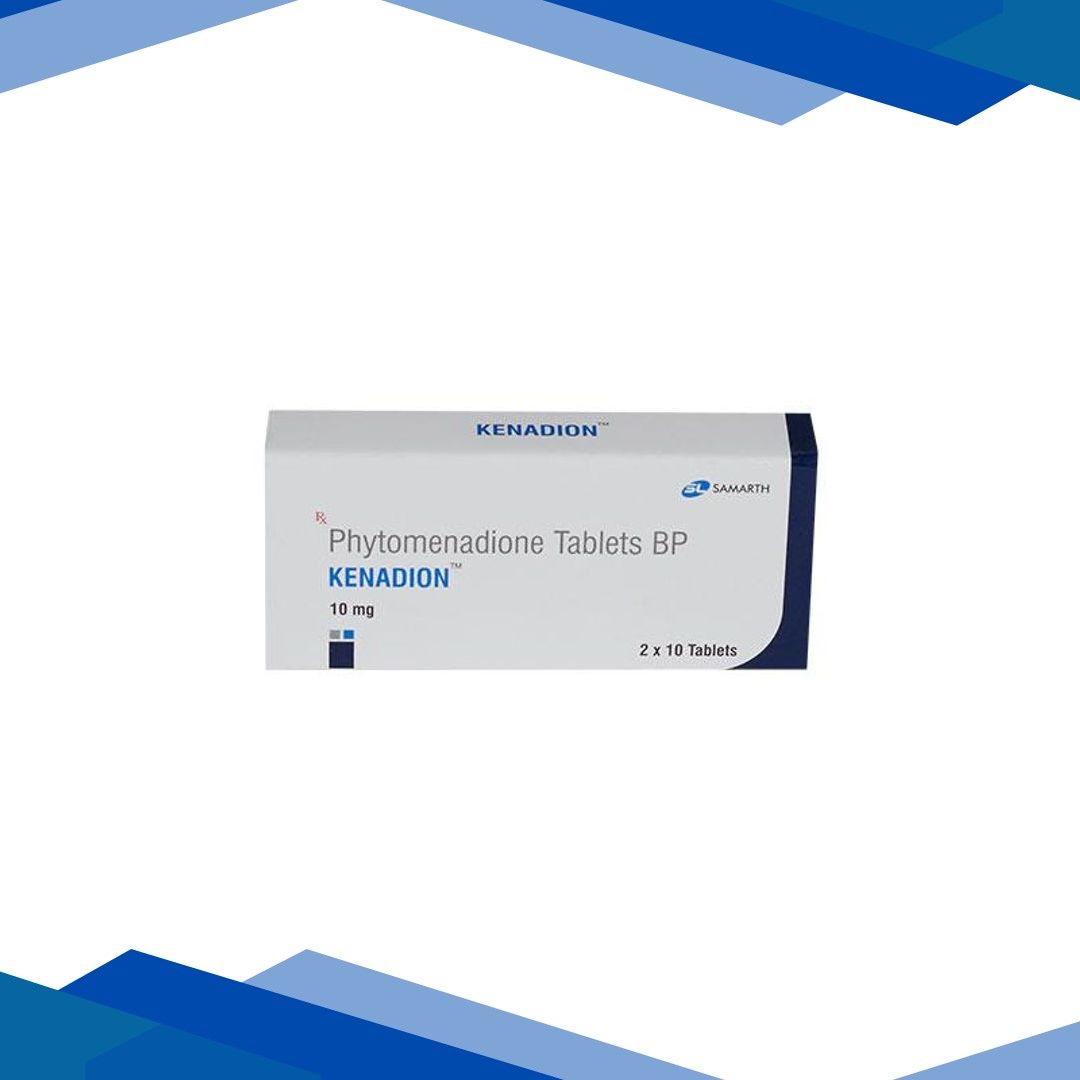
Phytomenadione 1mg Injection / Tablet
Product Highlights:
Active Ingredient: Phytomenadione (Vitamin K1).
Therapeutic Class: Haemostatic, antidote, and vitamin supplement.
Primary Uses: Reversal of blood-thinners (like Warfarin overdose), correction of Vitamin K deficiency bleeding, and hemorrhagic disease prevention in newborns.
Mechanism: It acts like a key cofactor, urging the liver to make the blood clotting proteins (Factors II, VII, IX, and X).
Prescription: Required (POM).
Product Introduction
Phytomenadione, which many people recognize as Vitamin K1, is a life-saving medicine that is essential to keep the body’s normal coagulation process working properly. If Vitamin K is not present in sufficient amounts, the liver cannot create the necessary clot forming proteins, so the body becomes more likely to bruise easily, and bleeding can become uncontrolled inside or outside.
Whether your care team chooses oral tablet or gives it as an injection, Phytomenadione works as an emergency correction therapy for high-risk bleeding scenarios. It’s used in clinical settings to protect newborns from severe bleeding issues and to safely counter the effects of certain prescription blood-thinning medications when their levels become dangerous.
Key Benefits & Medical Uses
Rapid Warfarin Reversal: Works as an immediate antidote for dangerous bleeding risk or high INR levels caused by Warfarin overdose or other oral anticoagulants.
Neonatal Protection: Given as routine preventive care right after birth to reduce Vitamin K Deficiency Bleeding (VKDB), which is rare yet severe.
Corrects Deficiencies: Helps manage bleeding linked to malnutrition or malabsorption, including obstructive jaundice, liver illness, celiac disease, and ulcerative colitis.
How to Use & Administration
Since Phytomenadione comes in different forms, the method depends on the clinical diagnosis and your doctor’s plan.
Oral Tablets: Swallow whole with a glass of water. It may be taken with or without food, and keeping a consistent timing routine helps maintain steady systemic levels.
Injections (IV/IM/SC): These must be given under direct supervision of a healthcare professional, in a clinic or hospital setting.
Monitoring: While using it, your doctor will likely ask for routine blood tests like PT/INR, so dosing can be adjusted based on how efficiently your blood is clotting.
Side Effects & Crucial Precautions
Phytomenadione is very effective when used correctly, however it needs careful medical oversight.
Potential Side Effects:
- Injection site reactions: temporary pain, redness, or minor swelling
- Sensory changes: a short unusual taste in the mouth or a sudden facial flushing right after a dose
- Mild systemic effects: brief dizziness, increased sweating, or lightheadedness
Essential Safety Warnings:
Allergies: Do not use it if you have a known hypersensitivity to Vitamin K preparations.
G6PD Deficiency: Patients with Glucose-6-phosphate dehydrogenase deficiency should tell their doctor, because hemolytic anemia can happen in rare cases.
Interaction with Blood Thinners: If you are currently taking blood thinners to prevent clots (such as for artificial heart valves or deep vein thrombosis), Phytomenadione can counteract your therapy. Use only under urgent emergency guidance.
Pregnancy & Nursing: Ask your healthcare practitioner. Typically it is used only when the maternal advantage exceeds the possible fetal risk.
Frequently Asked Questions (FAQs)
Q. Is Phytomenadione the same as regular Vitamin K?
Yes. Phytomenadione is the medical name for Vitamin K1, a fat-soluble vitamin naturally found in green leafy vegetables. The pharmaceutical-grade form used in tablets and injections is made for high bio-availability, so it can address severe clotting problems more quickly.
Q. How long does it take for Phytomenadione to start working?
It depends on whether it is given by injection or by mouth. With an injection, it usually starts helping within 1 to 3 hours, and for an oral tablet, the effects often show up within 6 to 10 hours.
Q. Why do all newborn babies need a Phytomenadione injection?
Newborns begin with very small Vitamin K stores, and breast milk does not build levels fast enough. A single small injection at birth helps prevent a serious, possibly fatal condition called Vitamin K Deficiency Bleeding (VKDB).
Q. Can I take this medicine with alcohol?
You should avoid alcohol during treatment. Alcohol can interfere with liver function, and that can raise your bleeding risk, or worsen side effects like dizziness.
Q. What should I do if I miss a scheduled oral dose?
Take the missed tablet as soon as you remember. If your next dose is only a few hours away, skip the missed dose and return to your regular schedule. Do not take a double dose to catch up.
Q. Does Phytomenadione interact with other vitamins or medications?
Yes. In addition to reversing blood thinners such as Warfarin, absorption can be reduced if it is taken alongside certain cholesterol-lowering drugs (such as Cholestyramine) or weight-loss medicines (such as Orlistat). Always give your physician a complete list of your current prescriptions and supplements.