
Showing all 2 resultsSorted by popularity
Filter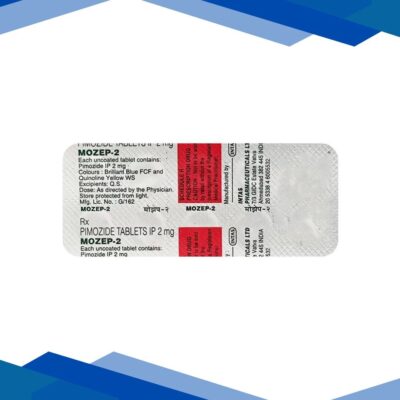
Pimozide Tablets
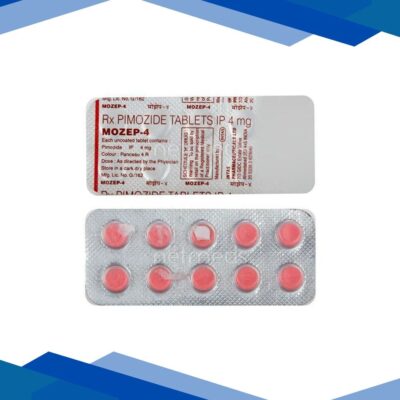
Pimozide is a specialized, high-potency neurological agent that sits in the first-generation typical antipsychotic family, yes. It is generally started only when doctors are watching closely, because it’s used as a more advanced move to quiet chronic motor and vocal tics in people already diagnosed with severe Tourette’s disorder. Usually it’s kept in reserve when regular therapies have been judged ineffective or are not tolerated.
Therapeutic Class: Neuroleptics / Antipsychotics
Chemical Class: Diphenylbutylpiperidine derivative
Common Strengths: 2 mg and 4 mg (dose titration often starts around 1 mg to 2 mg)
Prescription Required: Yes (Schedule H / Rx Only)
Therapeutic Indications & Clinical Benefits
1. Advanced Tourette Syndrome Control
Pimozide tends to reduce how often, how strong, and how disruptive involuntary muscle movements (motor tics) are, plus involuntary sounds or verbal outbursts (vocal tics). It is specifically used when the symptoms heavily interfere with a patient’s everyday social life, learning environment, or job duties.
2. Stabilization in Refractory Psychiatric Disorders
Though less frequently chosen today because of newer options, it may be used off-label in specialized psychiatric care to address chronic schizophrenia or severe delusional presentations, like monosymptomatic hypochondriacal psychosis, when other approaches have failed.
Mechanism of Action: How It Works
Pimozide mostly works by applying a selective, high-affinity competitive blockade at brain central dopamine D_2 receptors. This helps slow down overly active dopamine signaling through neural tracks, especially within the basal ganglia. In addition, at higher therapeutic doses, it can show minor effects involving central noradrenergic systems and intracellular calcium channels.
Administration and Precision Dosing Guide
Mode of Use:
Swallow the tablet whole with water. You can take it with food or without food. To reduce daytime sedation, many physicians suggest placing the main single daily dose at bedtime.
Initial Dose Titration:
For adults, treatment commonly begins with about 1 mg to 2 mg per day, split into divided doses. Depending on tolerance and the patient’s clinical response, a specialist may adjust the amount every other day.
Absolute Safety Threshold:
In adults, the maximum typical daily amount should not exceed 10 mg per day. Going past that boundary tends to sharply intensify serious neurologic and cardiac dangers.
Abrupt Cessation Warning:
Do not stop suddenly. If the medication is halted without a gradual taper, rebound tics or transient withdrawal dyskinesia can happen.
Adverse Effects and Clinical Risks
Because Pimozide is high potency, monitoring is not optional, and side effects can range from manageable complaints to rare but critical emergencies.
Common or Manageable Effects:
- Pronounced sleepiness, daytime sedation, or lethargy
- Dry mouth and mild to moderate constipation
- Postural hypotension (dizziness or lightheadedness when standing up too fast)
- Mild weight gain or increased sweating
Serious Complications (Contact your medical care team immediately):
- Extrapyramidal Symptoms (EPS): involuntary tremors, muscle rigidity, face expression that looks “masked,” restless pacing (akathisia), or acute muscle spasms
- Neuroleptic Malignant Syndrome (NMS): a critical reaction with high fever, extreme stiffness, rapid breathing, profuse sweating, and sudden confusion
- Tardive Dyskinesia: ongoing rhythmic involuntary movements of the tongue, lips, mouth, or jaw that may show up after longer-term treatment
Safety Diagnostics & Contraindications
| Risk Factor | Clinical Assessment | Medical Directives & Rationale |
|---|---|---|
| Cardiac History | ❌ Absolutely Contraindicated | Do not use it if you have a history of congenital Long QT syndrome, cardiac arrhythmias, or uncompensated heart failure, because it can trigger severe ventricular disturbances. |
| Drug Interferences | ❌ Absolutely Contraindicated | Strictly avoid it with strong CYP3A4 inhibitors (for example, particular macrolide antibiotics or azole antifungals) or CYP2D6 inhibitors, since these dangerously elevate drug build-up. |
| Alcohol & Sedatives | ❌ Unsafe | Avoid completely. Using them together can multiply central nervous system depression, causing severe drowsiness, respiratory depression, or even comatose states. |
| Pregnancy & Nursing | ⚠️ High Caution | Avoid unless the clinical benefits clearly outweigh fetal risk. It is not recommended during breastfeeding because human milk excretion patterns raise infant safety concerns. |
| Dietary Restrictions | ⚠️ Avoid Grapefruit | Grapefruit juice interferes with metabolic breakdown routes, raising blood concentrations and expanding the QT prolongation risk. |
Frequently Asked Questions (FAQs)
Q. Why is Pimozide kept for severe Tourette Syndrome cases?
Pimozide is extremely potent with a narrow therapeutic window, meaning the gap between helpful dosing and unwanted effects has to be managed very carefully. It also carries a known risk of disrupting the heart’s electrical rhythm, meaning QT interval prolongation, so it’s typically reserved for patients whose tics truly disrupt daily life and who have not found relief from safer first-line approaches.
Q. Do I need special routine tests while taking Pimozide?
Yes. Your prescriber usually orders a baseline Electrocardiogram (ECG) to check heart rhythm before the first dose. Follow-up ECGs are typical to make sure the drug is not creating changes in electrical activity. Blood tests may also be used to keep serum potassium and magnesium electrolytes in safe usual ranges.
Q. Can Pimozide be used for standard behavior problems or simple tics?
No. Medical guidance strictly blocks using Pimozide for simple short-term childhood tics or behavioral conditions that are not part of Tourette’s disorder. Also it is not approved for treating behavior or agitation in elderly people with dementia, because of a higher statistical risk of systemic problems in that group.
Q. What should I do if I miss a scheduled dose of Pimozide?
Take the missed tablet as soon as you remember. But if you realize it is almost time for your next scheduled dose, skip the missed one and continue the regular plan. Never take two doses at once to make up for the missed dose, because doubling up can expose the heart and nervous system to unsafe toxicity.