
Showing all 15 resultsSorted by popularity
Filter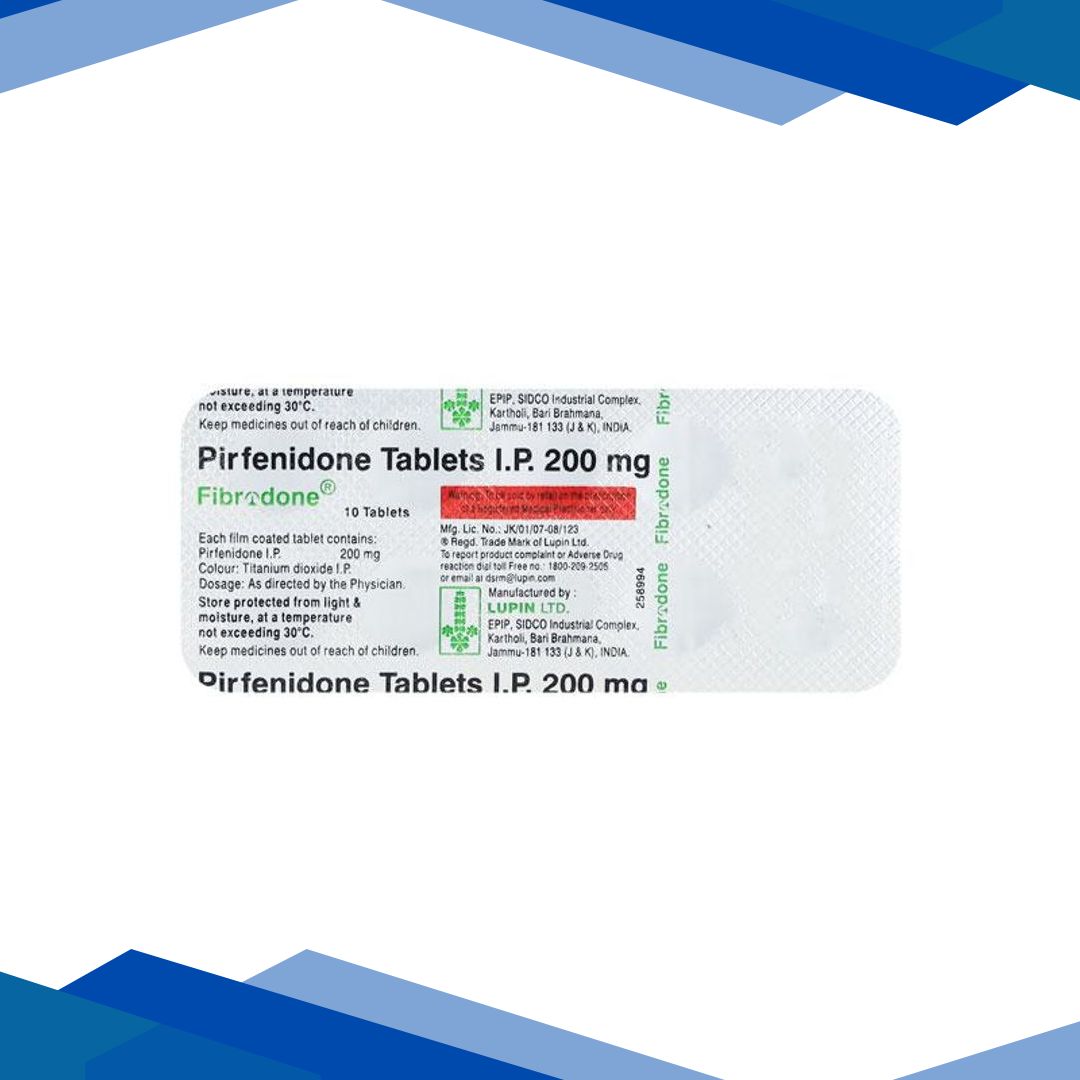
Fibrodone 200mg Tablet 10’S
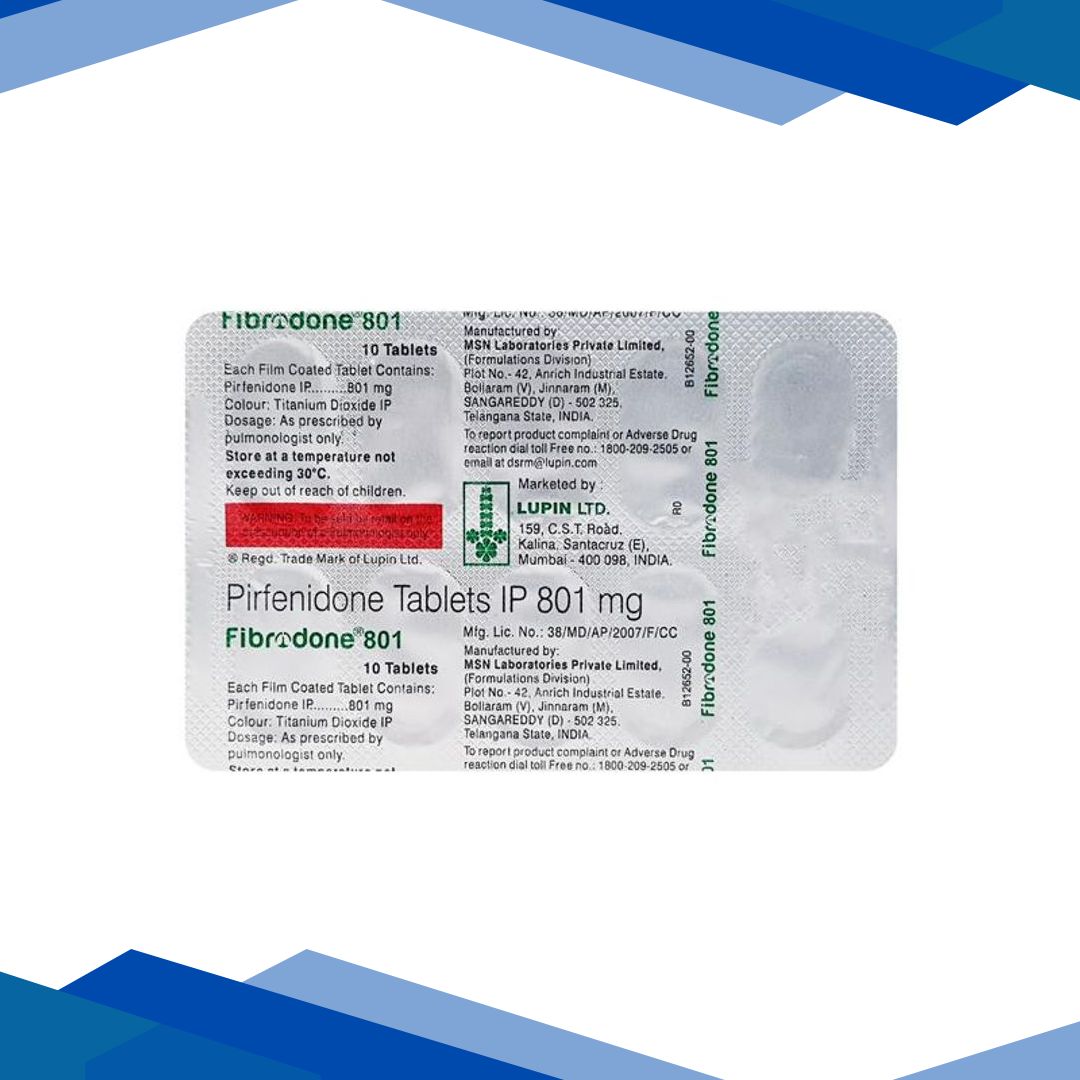
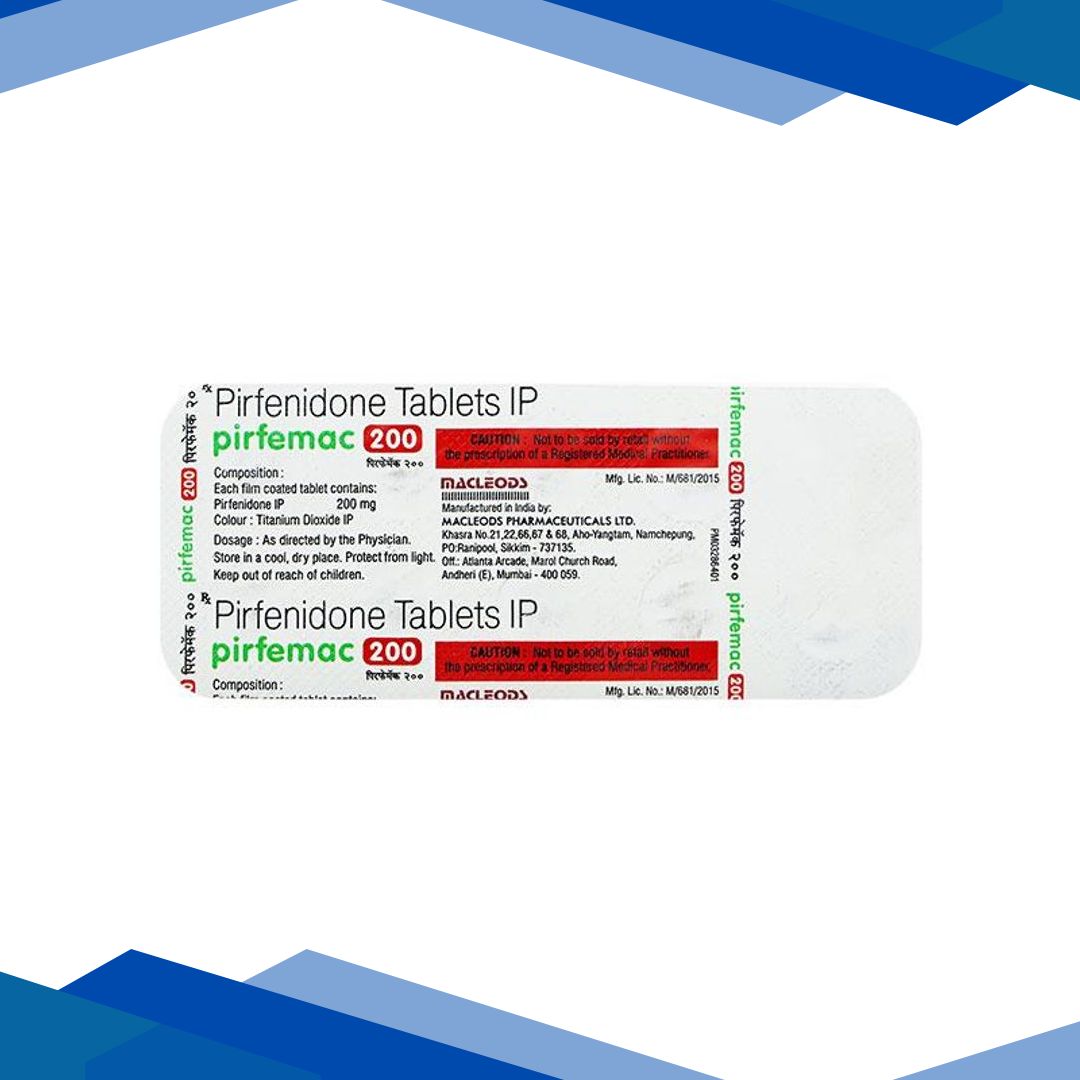
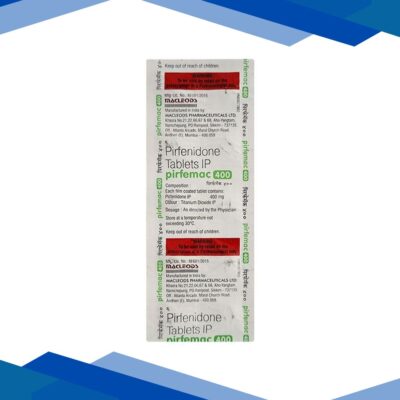
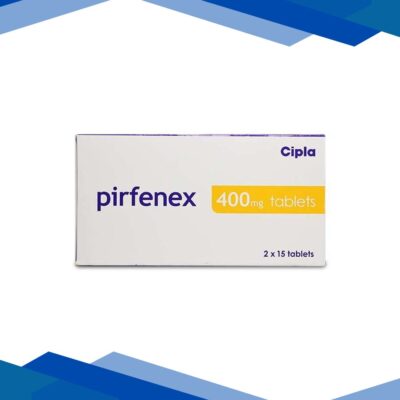
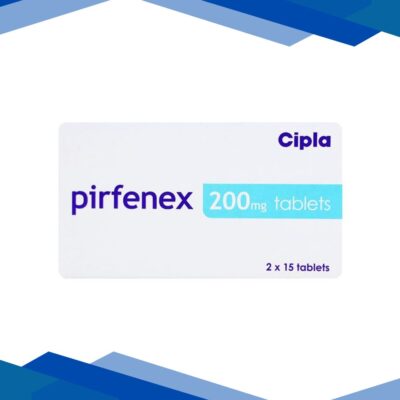
PIRFENEX 400mg Tablet 15’s
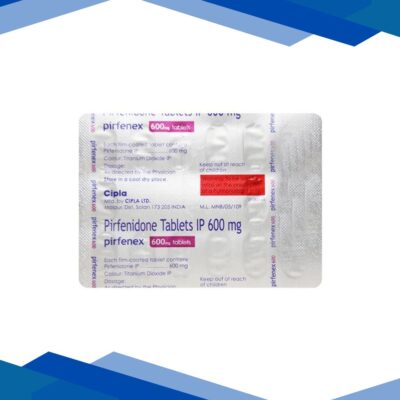
PIRFENEX 600mg Tablet 15’s
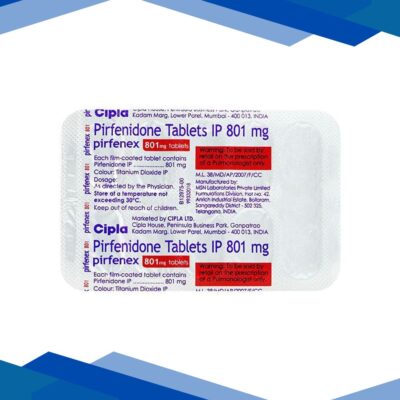
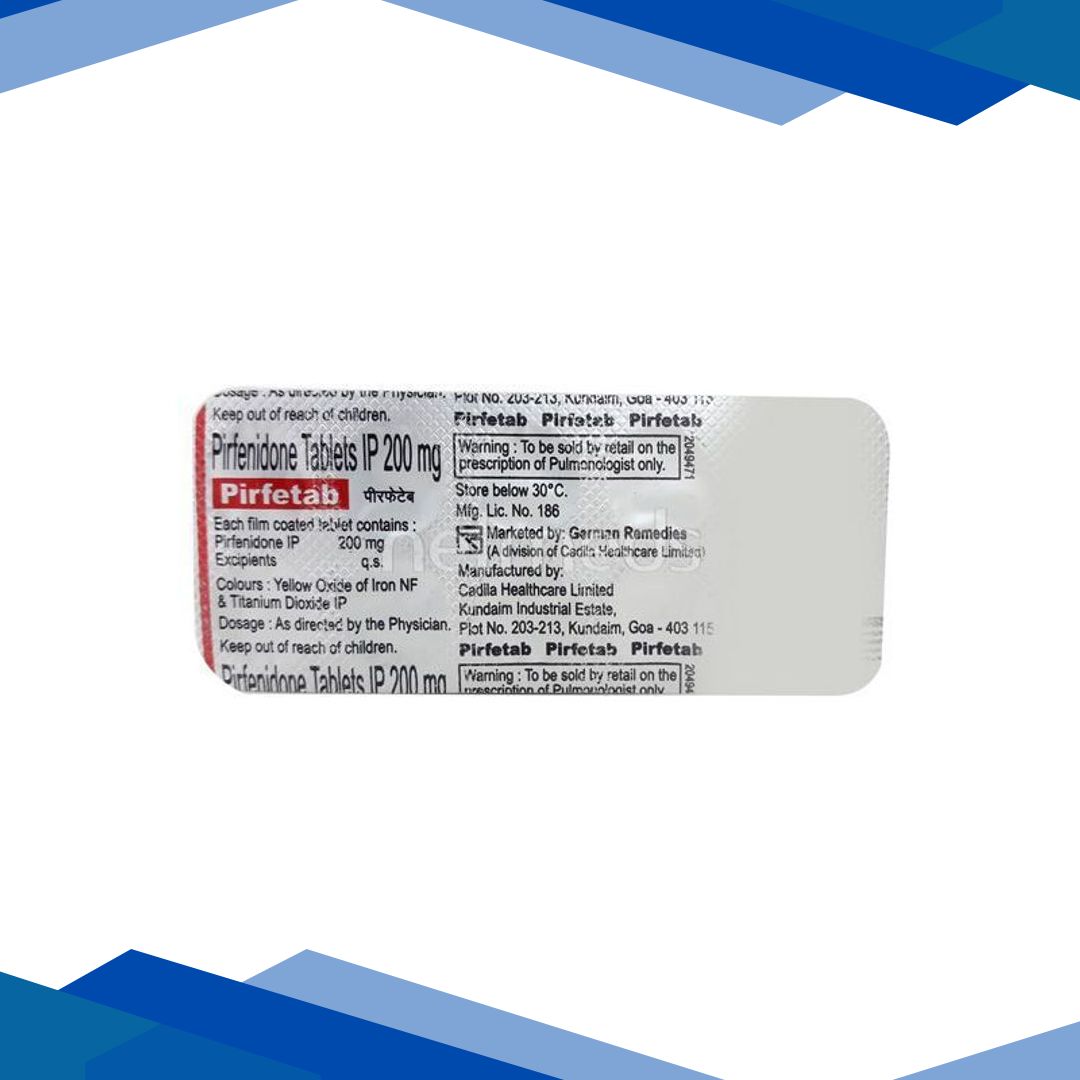
Pirfetab 200mg Tablet 10’S
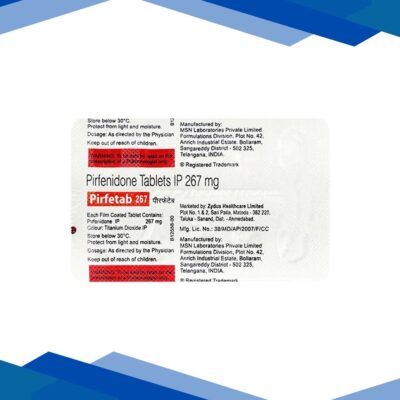
PIRFETAB 267mg Tablet 10’s
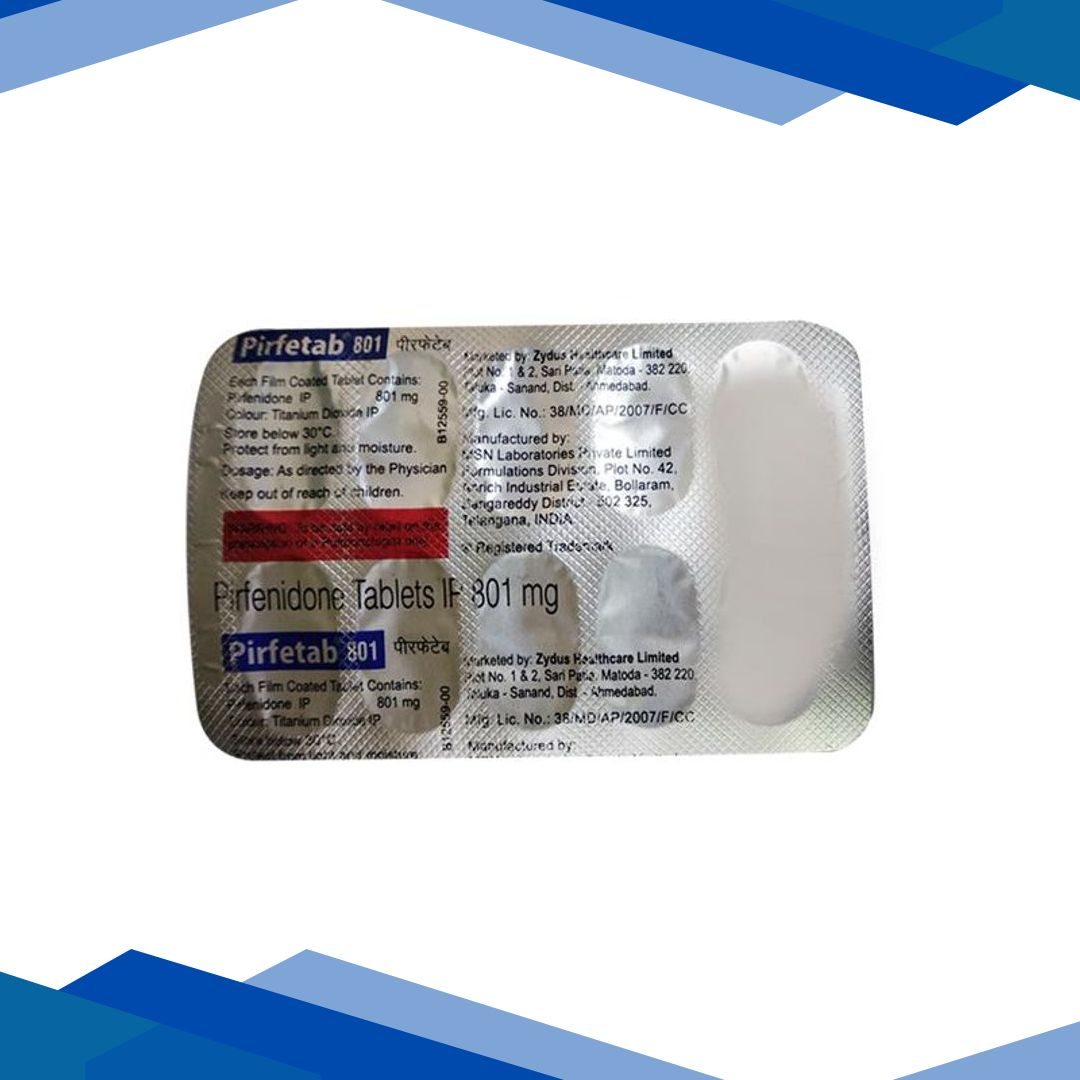
PIRFETAB 801mg Tablet 10’s
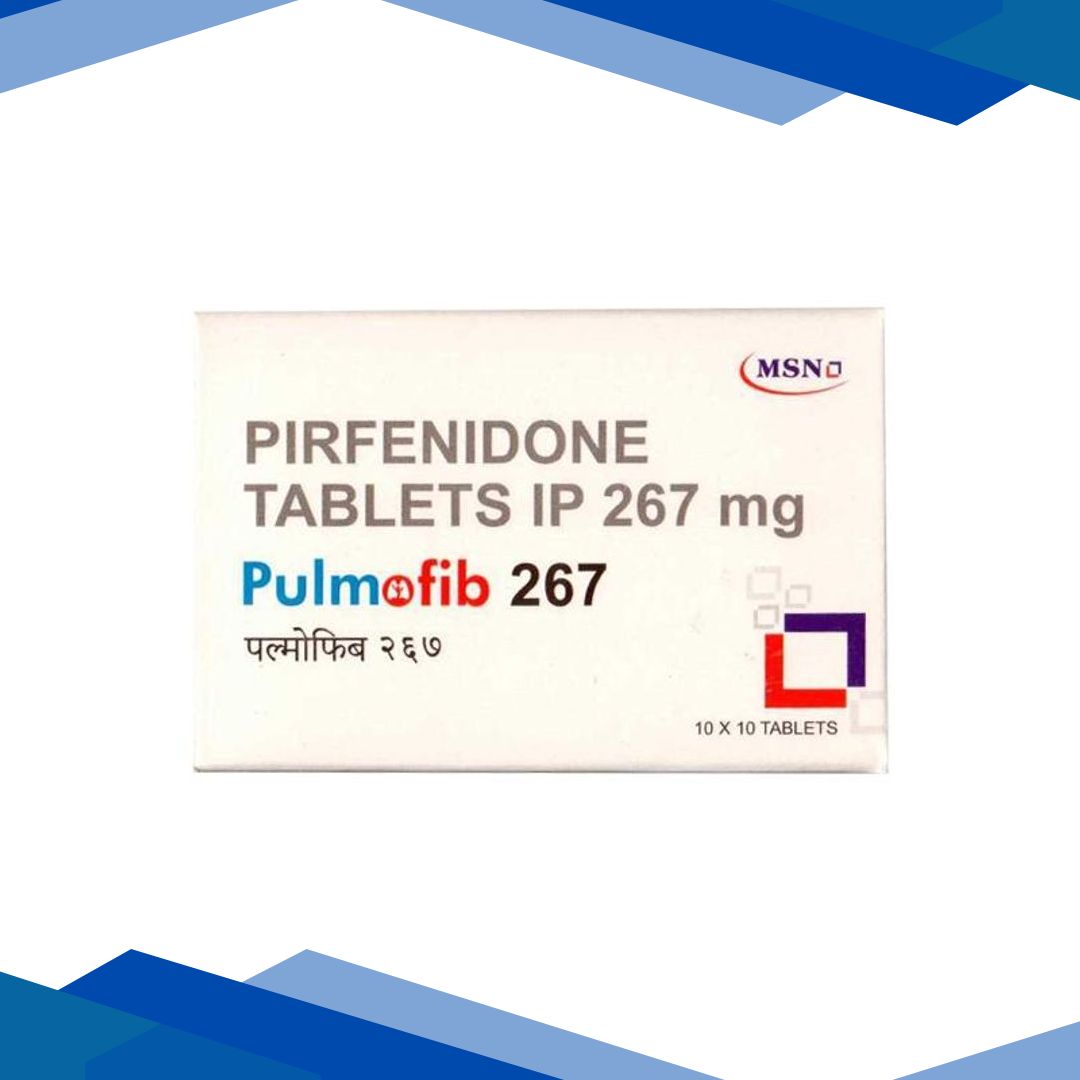
PULMOFIB 801mg Tablet 10’s
Pirfenidone Tablet (200mg / 267mg / 801mg)
Product Highlights:
Primary Use: Management of Idiopathic Pulmonary Fibrosis (IPF).
Drug Class: Anti-fibrotic agent, Pyridone class.
How it works: It slows down the ongoing scarring (fibrosis) of lung tissue by blocking certain growth factors linked to the illness.
Requirement: Prescription Only Medicine (POM).
Product Introduction
Pirfenidone is a long-term focused medicine meant for the treatment of Idiopathic Pulmonary Fibrosis, also called IPF. This chronic, progressive problem makes the lungs thicken, feel rigid, and scar over time. By tuning the body’s fibrotic reaction, this medicine helps slow the drop in lung performance and supports a better day-to-day quality for patients dealing with this complicated respiratory disease.
Benefits of Pirfenidone
Slows Disease Progression: Studies show it can reduce how fast lung function declines.
Targeted Therapy: It acts on the biological routes that lead to lung scarring.
Long-term Maintenance: Gives a more organized medical approach for chronic breathing wellbeing across extended periods.
How to Take This Medicine
For safety, and to get maximum benefit, Pirfenidone must be taken exactly the way your pulmonologist told you.
Take With Food: Always take this medication with a meal. If you take it on an empty stomach, nausea and dizziness risks jump up, a lot.
Dosing Schedule: Usually taken three times daily—morning, afternoon, and evening. Your doctor often begins with a smaller dose and then raises it over several weeks so your body can adapt.
Administration: Swallow the tablet or capsule whole with a full glass of water. Do not crush, chew, or split the dose.
Consistency: Keep a steady routine so the medicine level stays more stable in your system.
Important Safety Information & Precautions
Photosensitivity Alert
Pirfenidone can make your skin respond very strongly to sunlight.
Sun Protection: Use SPF 50+ sunscreen every day.
Cover Up: Wear protective clothing, hats, and sunglasses when you are outside.
Avoid Exposure: Reduce direct sunlight, and skip tanning beds or sunlamps.
Monitoring
This treatment may influence the liver, so you will need regular Liver Function Tests (LFTs). Your doctor will typically check your blood markers monthly for the first six months, then occasionally after that.
Lifestyle & Contraindications
Grapefruit: Avoid grapefruit and grapefruit juice. It can change how your body processes the drug, which may lead to unwanted or higher concentrations.
Smoking: Let your doctor know if you smoke, because it may reduce the medicine’s effectiveness.
Driving: Be careful if you feel dizzy or drowsy. Avoid operating heavy machinery until you understand how the drug affects you.
Frequently Asked Questions (FAQs)
Q. Why do I have to take Pirfenidone with food?
Food helps reduce gut side effects, especially nausea and stomach upset. It also supports reliable absorption for more consistent therapeutic results.
Q. What should I do if I forget a dose?
If you miss a dose, take it once you remember, as long as there is at least a three-hour gap before the next scheduled dose. Never take two doses together to replace a missed one.
Q. Can I continue to go out in the sun while on this treatment?
You need extra caution. Pirfenidone can cause photosensitivity, so sunburn can happen much faster than usual. Use broad-spectrum SPF (UVA/UVB) sunscreen and wear protective clothing whenever you are outside.
Q. How long will I need to take this medicine?
This is generally a long-term maintenance treatment for a chronic condition. Do not stop or change the dose without talking to your lung specialist first. Stopping suddenly can make the condition worse.
Q. Is it safe to drink alcohol while taking Pirfenidone?
Alcohol can add stress to your liver and worsen side effects like fatigue and dizziness. It is best to check with your doctor about your personal health situation and safe limits.
Disclaimer: This content is meant for learning and education and should not replace professional medical advice. Please consult your physician or pulmonologist about your specific treatment plan, possible side effects, or any health concerns.