
Showing the single result
Filter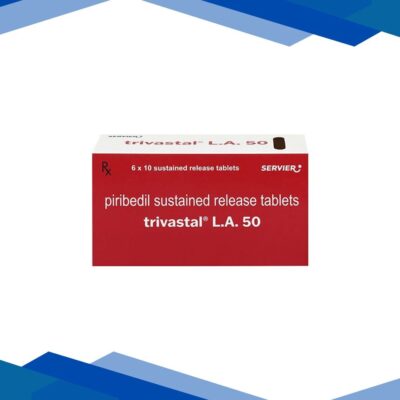
Piribedil Tablets Introduction
Piribedil Tablets is a specialist dopamine agonist that is used mainly for neurological and vascular symptoms linked with age related cognitive decline, as well as movement disorders. Instead of doing the “replace dopamine” thing, Piribedil works more like a stimulator of dopamine receptors, with a special lean toward D₂ and D₃ receptors inside the brain
In practice, it is often prescribed to help older adults with attention, focus, and general cognitive performance. It can also give symptom support in Parkinson’s disease, commonly as an added therapy with standard levodopa
Primary Medical Uses
Cognitive and Neurosensory Issues
Used for age related thinking problems, including weaker memory, lower attention control, and reduced alertness
Parkinson’s Disease
Often given together with levodopa, so motor performance feels smoother, tremors may lessen, and “on-off” swings that show up in long term Parkinson’s care can be managed better
Intermittent Claudication
Because it has mild vasodilation actions, it is sometimes used in people dealing with leg pain from restricted blood flow, meaning intermittent claudication
How Piribedil Works
Piribedil is a non-ergoline dopamine agonist. The mechanism is kind of two part, though it acts in a coordinated way
Dopamine receptor stimulation
It goes through the blood brain barrier and stimulates D₂ and D₃ receptors in areas like the cerebral cortex and basal ganglia. This supports dopaminergic signaling, which may help with executive ability, drive, and motor coordination
Cerebral and peripheral vasodilation
It can also promote blood flow by acting on dopamine receptors in the vascular walls. This helps raise oxygen delivery to both brain tissue and peripheral tissues, which can matter for neurovascular concerns
Quick Reference: Usage & Administration
How to take it
Take the tablets by mouth with a glass of water, preferably toward the end of a main meal. Food can help reduce gastrointestinal discomfort
Daily consistency
Taking it every day at the same time helps keep medication levels steady. Follow the dosing plan from your neurologist or physician exactly
Do not crush
Many tablets here are sustained release or film coated, meant to release medication over time. Do not crush, chew, or split, unless your doctor tells you to
Common Side Effects
Most people tolerate Piribedil Tablets well, though dopamine shifting medicines can still bring side effects, especially during start up or when the dose climbs
Frequently reported effects
Mild digestive issues, such as nausea, vomiting, or stomach cramps
Temporary dizziness or lightheadedness, especially when standing quickly
Daytime drowsiness or fatigue feelings
Occasional agitation, or mild restlessness
Rarely, vivid dreams or mild confusion
Clinical alert
Dopamine agonists can sometimes trigger sudden “sleep attacks,” meaning falling asleep during normal daily activities without a clear warning. They can also bring impulse control issues, like stronger urges to gamble or shop. If you or family members notice unusual behavior, contact your doctor immediately
Expert Advice & Precautions
Driving and machinery
Since it can cause unexpected drowsiness or sleepiness, avoid driving and avoid operating heavy dangerous equipment until you know how it affects your alertness
Orthostatic hypotension
It may cause a brief drop in blood pressure when moving from sitting or lying down to standing. Rise slowly, and take your time to prevent dizziness or possible falls
Alcohol caution
Try not to drink alcohol while taking Piribedil, because alcohol can worsen dizziness and reduce coordination and judgment
Regular follow ups
Because this is for long term neurological conditions, your doctor will need to track cognitive changes and motor function often. This helps keep the dose suitable for your needs
Frequently Asked Questions (FAQs)
Q. How long does it take for Piribedil to improve my symptoms?
The response is usually gradual. Some patients feel small gains in energy and focus within the first few weeks, but stronger therapeutic effects for motor control or persistent cognitive symptoms typically appear after 4 to 8 weeks of steady daily use
Q. Can I take Piribedil with my other Parkinson’s medications?
Yes, it is commonly used as an add-on alongside levodopa or other dopamine agonists. Still, your doctor must adjust all doses carefully to avoid dopamine over-stimulation. Do not mix these medicines without professional guidance
Q. What should I do if I feel dizzy after taking my dose?
Dizziness can happen due to blood pressure shifts. If you feel dizzy, sit or lie down immediately until it passes. To reduce risk, stand up slowly from chairs or bed, and keep hydrated. If dizziness continues or becomes intense, talk to your physician
Q. Will Piribedil cause addiction or withdrawal?
It is not usually considered addictive in the usual sense, but it does change brain chemistry. If you ever need to stop, do it gradually with your doctor’s supervision to avoid a rebound situation, where symptoms might temporarily worsen
Q. Is this medication safe for elderly patients?
Piribedil Tablets is frequently prescribed to older adults, though careful use matters. Elderly patients may be more sensitive to side effects like blood pressure dropping or confusion. Doctors often begin with a low dose and increase gradually, watching for any cognitive or physical changes