
Showing all 3 resultsSorted by popularity
Filter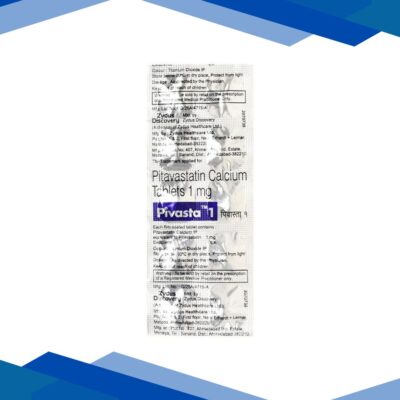
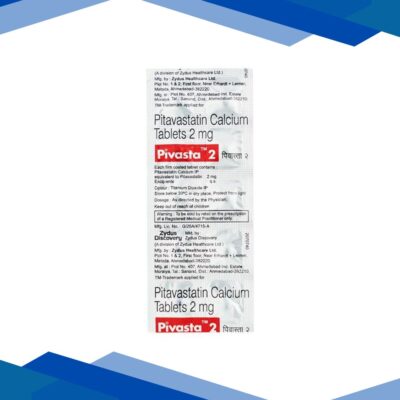
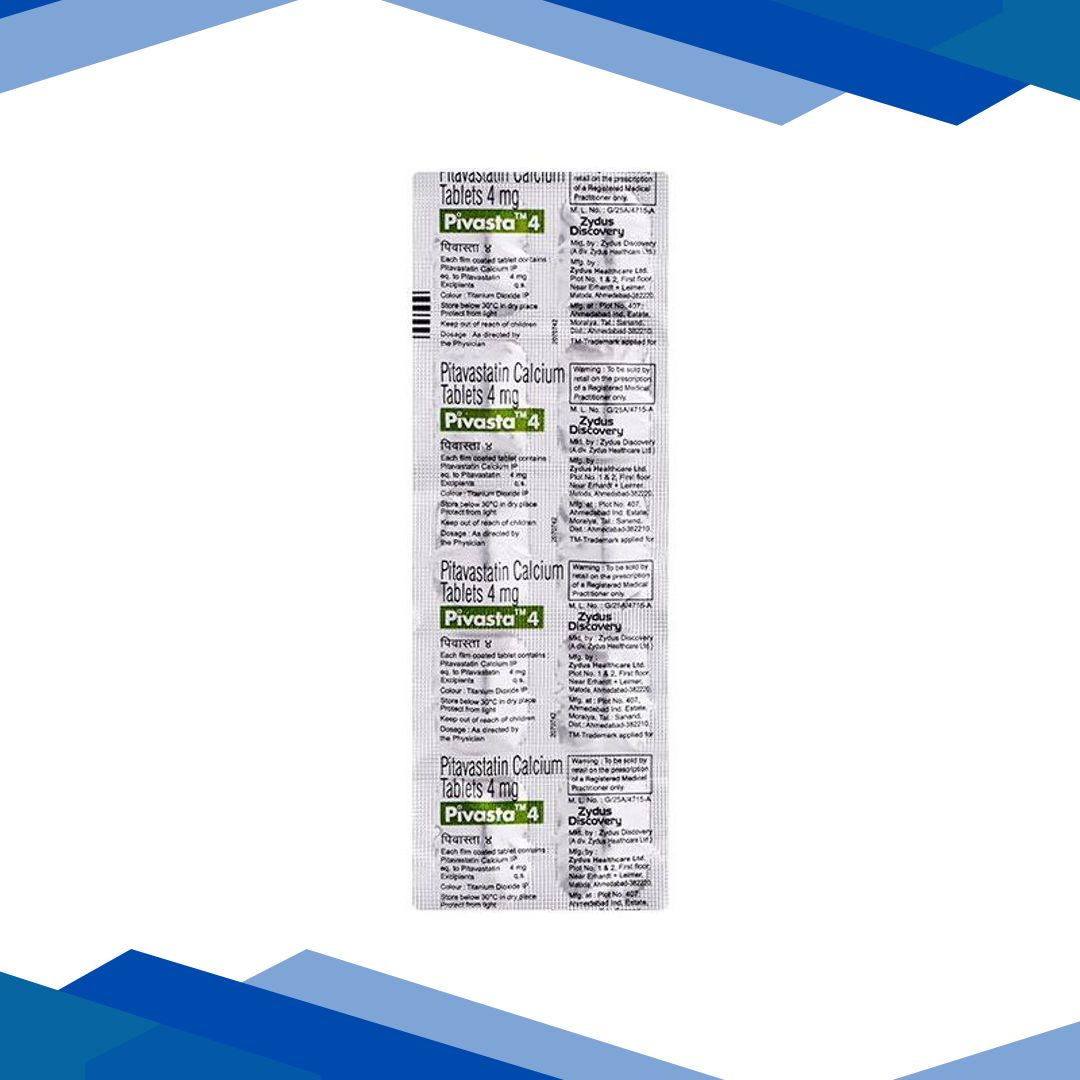
Pitavastatin Tablets
Intro
Pitavastatin is a high-potency once-daily medication in the statin family, also called HMG-CoA reductase inhibitors. It is mainly prescribed for dyslipidemia, meaning it works to bring down higher levels of “bad” cholesterol (LDL) and triglycerides in your bloodstream, while at the same time raising “good” cholesterol (HDL).
When your cholesterol profile is regulated, Pitavastatin helps lower the risk of plaque buildup in your arteries, which is atherosclerosis. Because of that, it supports the prevention of cardiovascular events like heart attacks and strokes. It is frequently suggested for people who need strong lipid control, with a medication profile that often reduces interaction hassles with other everyday drugs.
Main Clinical Uses
Hyperlipidemia: Used as an add-on to a healthy diet and regular physical movement to lower elevated total cholesterol and LDL cholesterol in adults.
Mixed Dyslipidemia: It can be effective for people dealing with both high cholesterol and higher triglycerides together.
Cardiovascular Protection: It is often given to individuals considered high risk to help lower the chance of cardiovascular-related hospital stays and coronary revascularization procedures.
How Pitavastatin Works
Pitavastatin goes after the real driver behind excessive cholesterol production in the liver. It works by blocking HMG-CoA reductase, which is the key enzyme used in the liver to make cholesterol.
When that enzyme is inhibited, the liver starts placing more LDL receptors on its surface. These receptors act like a sponge, picking up extra cholesterol from the bloodstream. Then LDL levels (“bad” cholesterol) drop noticeably, and your cardiovascular system faces less strain overall.
Quick Reference: Usage & Administration
How to Take It: Take this medication by mouth exactly as your doctor says. It can be taken with food or without it.
Consistency: Make sure your dose is taken at the same time each day so your body keeps steady levels.
Dietary Commitment: Pitavastatin works best when combined with a heart-healthy eating plan—low saturated fats and low cholesterol—plus an active lifestyle. The medication cannot replace long-term healthy routines.
Missing a Dose: If you miss a dose, take it when you remember. If it is almost time for the next dose, skip the missed one. Never take two doses together.
Potential Side Effects
Even though Pitavastatin is usually well tolerated, it helps to pay attention to how your body responds to statin therapy.
Common Observations:
- Mild muscle or joint discomfort (myalgia)
- Back pain
- Occasional constipation or mild indigestion
- A small rise in blood sugar levels (diabetic patients should monitor)
Serious Warnings (Contact your Doctor):
Clinical Safety Alert: Statins can, in rare cases, lead to unexplained muscle breakdown (rhabdomyolysis). Tell your doctor ASAP if you notice unexplained muscle pain, marked tenderness, or extreme weakness, particularly if it comes with fever or if your urine turns dark, brown colored. Also mention any yellowing of the skin or eyes (jaundice), as this can suggest liver sensitivity.
Expert Advice and Precautions
Liver Function Monitoring: Before starting treatment, your doctor may request baseline liver function tests, and may repeat them later, since statins can influence liver enzyme readings.
Grapefruit Caution: With Pitavastatin, interaction risk is lower than some other statins, but it is still wise to limit heavy grapefruit intake because it may affect drug metabolism.
Alcohol Consumption: It is a good idea to limit alcohol intake, as excess use can raise triglyceride levels and add strain on the liver during statin therapy.
Pregnancy and Family Planning: Pitavastatin is not recommended during pregnancy or breastfeeding, as it may harm fetal development. Use effective contraception during treatment if applicable.
Frequently Asked Questions (FAQs)
Q. How long does it take for Pitavastatin to lower my cholesterol?
Some people notice changes in lipid levels within 2 to 4 weeks of steady use. Full benefit usually appears after about 6 to 8 weeks.
Q. Can I stop taking Pitavastatin once my cholesterol is normal?
No. High cholesterol is chronic. Stopping will likely cause LDL levels to rise again. It is intended for long-term management.
Q. Will I experience muscle pain while taking this medication?
Muscle pain can occur but is not universal. If it becomes persistent or severe, consult your doctor for possible dose adjustment or switching therapy.
Q. Does Pitavastatin interact with other medications?
It has fewer interactions than older statins, but always inform your doctor about all medicines, especially antifungals, cyclosporine, fibrates, or other lipid-lowering drugs.
Q. Should I take Pitavastatin at night?
No strict timing is required. Take it at the same time daily for consistency, whether morning or evening.