
Showing all 4 resultsSorted by popularity
Filter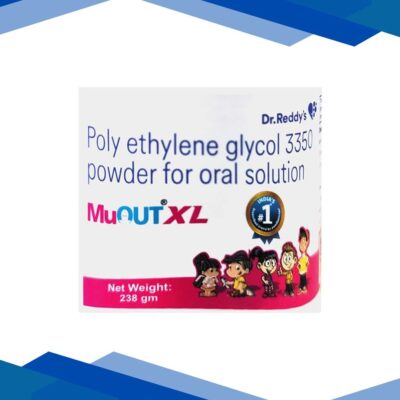
MUOUT XL SUGAR FREE GLUTEN FREE Powder 238g
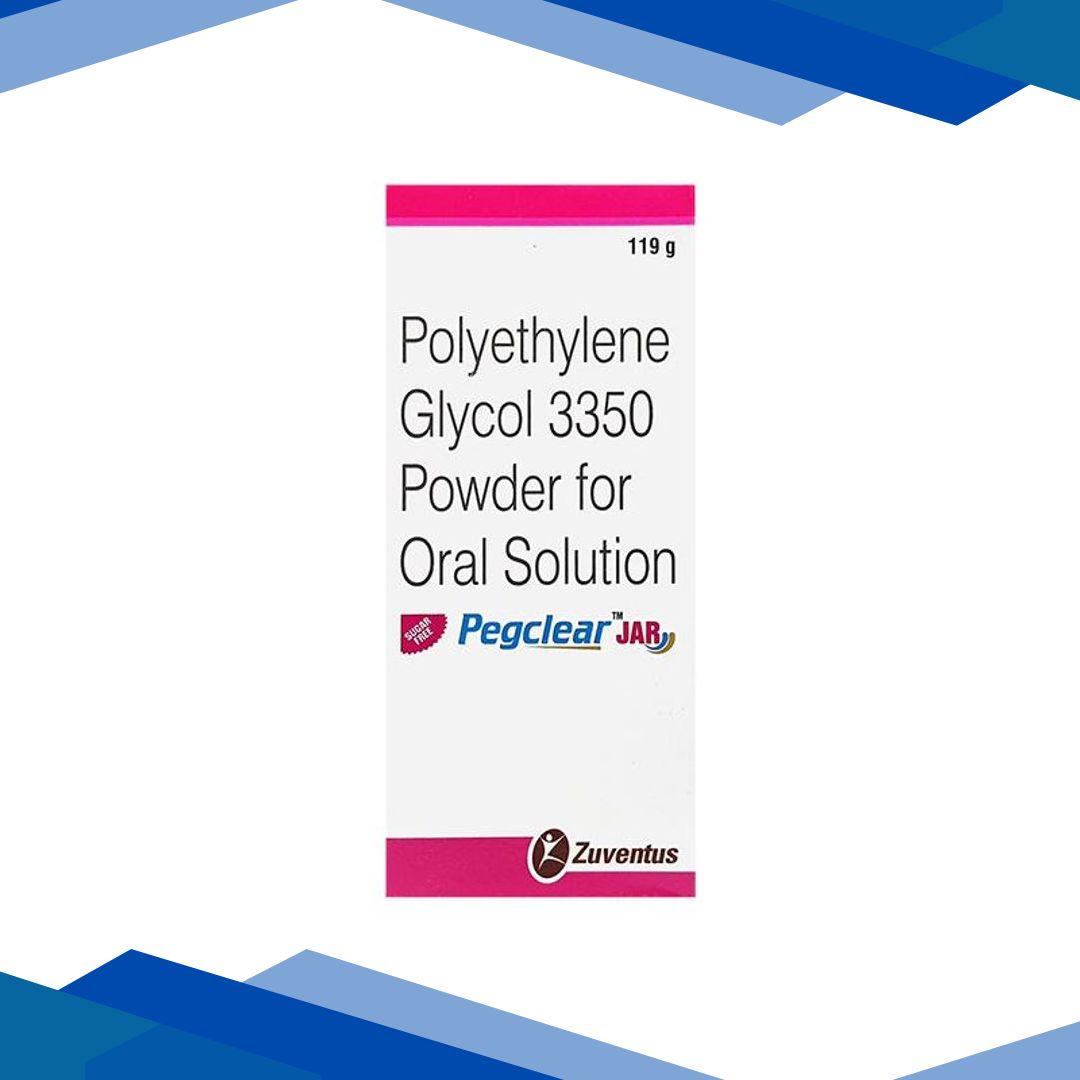
PEGCLEAR JAR SUGAR FREE Powder 119g

EMTY PEG Oral Solution 200ml
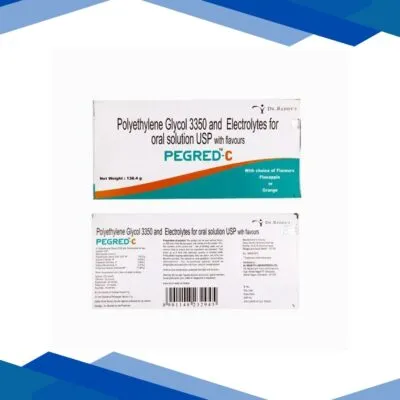
Polyethylene Glycol 3350: Overview, Uses, and Side Effects
Polyethylene Glycol 3350 (commonly known as PEG 3350) is a widely trusted, clinically proven osmotic laxative. It is used to treat occasional constipation as well as chronic bowel irregularity.
Unlike harsh stimulant laxatives that force the bowel muscles to contract artificially, PEG 3350 works naturally with the water in your body. It is a non-absorbable compound, meaning it passes through your digestive tract without entering your bloodstream. As it moves, it holds onto water in the stool, softening it and increasing the frequency of bowel movements, making them much easier to pass.
Key Benefits & Uses
Doctors and gastroenterologists frequently recommend Polyethylene Glycol 3350 to manage:
-
Occasional Constipation: Providing gentle, predictable relief from temporary bowel infrequency or hard stools.
-
Chronic Constipation: Managing long-term bowel irregularity under proper medical supervision.
-
Bowel Cleansing: Used in higher, specific dosages as part of a preparation regimen to clear the intestines before a colonoscopy or X-ray examination.
How to Take Polyethylene Glycol 3350 Correctly
To ensure the medication dissolves properly and works effectively, follow these preparation guidelines:
-
Measure Accurately: Use the measuring cap provided with the bottle. Fill it to the indicated line (usually 17 grams for a standard single adult dose).
-
Mix Thoroughly: Stir the powder into a full glass (approx. 120 ml to 240 ml) of liquid. You can mix it with water, juice, soda, coffee, or tea. Ensure the powder is completely dissolved before drinking. Do not consume the powder dry.
-
Stay Hydrated: Because osmotic laxatives draw fluid into the bowel, it is essential to drink plenty of water throughout the day to prevent mild dehydration.
-
Expect a Gentle Delay: PEG 3350 is designed for steady relief rather than a sudden emergency rush. It typically takes 1 to 3 days of regular daily use to produce a comfortable bowel movement.
Safety Advice & Expert Precautions
| Category | Guidance |
| Duration of Use | Unless prescribed otherwise by a physician, do not use this medication for more than 7 consecutive days. If your constipation persists, consult your doctor. |
| Existing Conditions | Do not use PEG 3350 if you have a known or suspected bowel obstruction, an inflamed bowel disease, or severe abdominal pain of unknown cause. |
| Pregnancy & Lactation | Because it is not absorbed into the bloodstream, PEG 3350 is often preferred by doctors for pregnancy-related constipation. However, always consult your obstetrician first. |
| Kidney Health | If you have a history of kidney disease, speak with your doctor before using osmotic laxatives to ensure proper fluid balance. |
Common Side Effects
Polyethylene Glycol 3350 is generally very well-tolerated. However, as your digestive tract adjusts, you may experience mild, temporary symptoms:
-
Mild bloating, gas, or flatulence
-
Nausea or stomach cramps
-
Loose or more frequent stools
When to stop and consult a doctor: Discontinue use and contact your healthcare provider immediately if you experience severe diarrhea, severe abdominal pain, rectal bleeding, or symptoms of dehydration (such as extreme thirst, dry mouth, or dark urine).
Frequently Asked Questions (FAQs)
Q: Will Polyethylene Glycol 3350 cause immediate bowel movements?
No. PEG 3350 does not act as a sudden stimulant. It relies on a gentle osmotic process to pull moisture into the stool naturally. This process takes time, typically taking between 24 and 72 hours to yield results.
Q: Can I become addicted to or dependent on Polyethylene Glycol 3350?
Because PEG 3350 works mechanically by holding water rather than chemically irritating the bowel muscles, it does not cause the “lazy bowel” dependency associated with long-term use of stimulant laxatives (such as senna or bisacodyl). However, you should still avoid using it long-term without medical advice.
Q: What should I do if I miss a daily dose?
If you are taking this on a regular daily schedule, take the missed dose as soon as you remember. If it is almost time for your next dose, skip the missed one entirely and return to your routine. Do not double the dose to make up for a forgotten day.
Q: Can I give Polyethylene Glycol 3350 to my child?
While PEG 3350 is frequently prescribed by pediatricians for childhood constipation, you should never give this medication to a child under the age of 17 without consulting a certified pediatrician first for the correct dosage guidelines.
Disclaimer: The gastrointestinal and clinical insights provided on this page are intended strictly for general educational purposes. They cannot replace a personalized professional medical consultation, diagnosis, or treatment plan from a certified physician or gastroenterologist. Always consult your doctor before beginning a new gastrointestinal routine.