
Showing all 2 resultsSorted by popularity
Filter
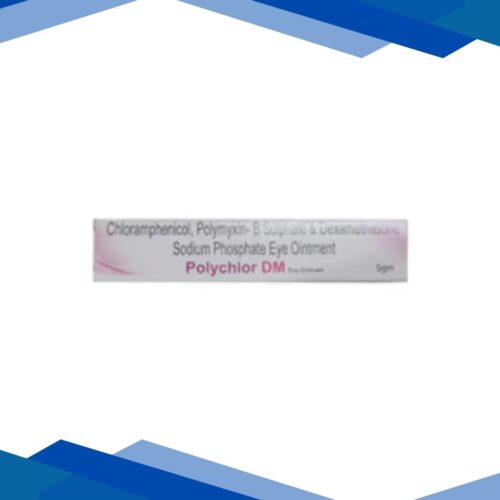
POLYCHLOR DM Eye Ointment 5gm
Polymyxin B Sulphate: Precise Control Option for Severe Bacterial Infections Polymyxin B Sulphate is a specialized antibiotic derived from the bacterium Bacillus polymyxa, which belongs to the “polymyxin” class of antimicrobials. This drug comes to use primarily where a partial susceptible condition is available for survival of Gram-negative bacteria. Quick bactericidal action at the initial stage makes it valuable in multiple infections where the response to other standard antibiotics has still failed.
The Main Clinical Uses
Systemic Infections: General administration will be mainly through intravenous injection to treat severe bloodstream, urinary tract, or meningeal infection due to the susceptible strain like Pseudomonas aeruginosa.
Ophthalmic Care: In the form of eye drops, these are intended for bacterial conjunctivitis or corneal ulcers.
Topical Use: With a few examples being the construction in ointments for prophylaxis and treatment of infections in minor cuts, scrapes and burns.
Ear Infections: Good at controlling proliferative bacteria of outer ear canal (Otitis Externa).
Mechanism of Action
Polymyxin B works on bacteria like a sort of “detergent.” It binds to the phospholipids of the bacterial cell membrane and distorts the structural frame, which makes the bacteria release its inner substance. This burst of cell content evokes sudden cell death. Since the target is the membrane, this antibiotic has not failed to control every form of resistance in contemporary bacteria.
Expertise & Safety Tips
Administration by professionals: When injected, this drug must be administered by health professionals in clinical settings.
The Entire Pulses Must Be Completed: No matter how rapidly the symptoms abet, you must complete the full course of topical or ophthalmic treatment.
Water: Drinking maximum water during systemic treatment supports the kidneys to process the drug.
Storage: Place the eye drops and ointments in a cool location, kept dry and shielded from sunlight. Be particularly cautious that the tip of the applicator never touches surfaces to prevent possible contamination.
Safety & Side Effects Profile
Polymyxin B is another heavy medication that needs safe monitoring, particularly when systemic in action.
Side effect
Listing
Action
Plan
Kidney Dysfunction
Systemic (Injection)
Periodic monitoring of creatinine levels is a must.
Dizziness / Tingling
Occasional-feeling weird in this way
Upon feeling tingling in the extremities, inform your doctor immediately.
Tingling / Minor Redness
Topical / Ophthalmic
Temporary is generally what it is; if it does persist, then usage must be discontinued and doctor consulted.
Itching or Rash
Allergic-like condition
Medical care must be sought soon as a localized rash appears with this antibiotic.
FAQs about Polymyxin B Sulfate
Q: Do bacterial infections receive antiviral effects from Polymyxin B Sulfate?
A: No. These drugs are antibacterial agents designed solely for bacterial infections and they are not effective against any condition related with viruses or fungal infections like the flu, the common cold, or any fungal associations.
Q: Why is Polymyxin B often called a “last-resort” antibiotic?
A: Mainly due to its potency and selective side effect profile, systemic Polymyxin B has been traditionally reserved by physicians to target the so-called “Superbugs” bearing antibiotic resistance to nearly all modern-day antibiotics.
Q: May Polymyxin B eye drops be used with contact lenses?
A: Fairly avoid using contact lenses while treating an eye. Some solutions might contain preservatives that can be trapped by soft contact lenses. In some cases, ask your optometrist about the correct approach.
Q: What is the course of action if I forgot to apply the ointment on time?
A: If you do recall at once, do not let a second pass and make sure you apply the Polymyxin topical ointment. Again, do not apply the ointment in twice the measure to make up for the previous one.
Q: Can this medication be used for infants?
A: In the pediatric population, an experienced pediatrician will be responsible for follow-up and applying the right dose based on the kid’s body weight and the severity of the infection.
Patient Safety Checklist
Allergy check: Inform your doctor of any adverse reactions to Polymyxin B or Colistin
Past Medical History: Reveal issues along these lines: kidney-related complaints in the past, neuromuscular disorder (Myasthenia Gravis).
Meaningful Interaction with Other Drugs: Make sure you tell your practitioner about all other drugs you are currently taking that have side effects upon the kidneys, such as Aminoglycosides or certain Diuretics.