
Showing all 5 resultsSorted by popularity
Filter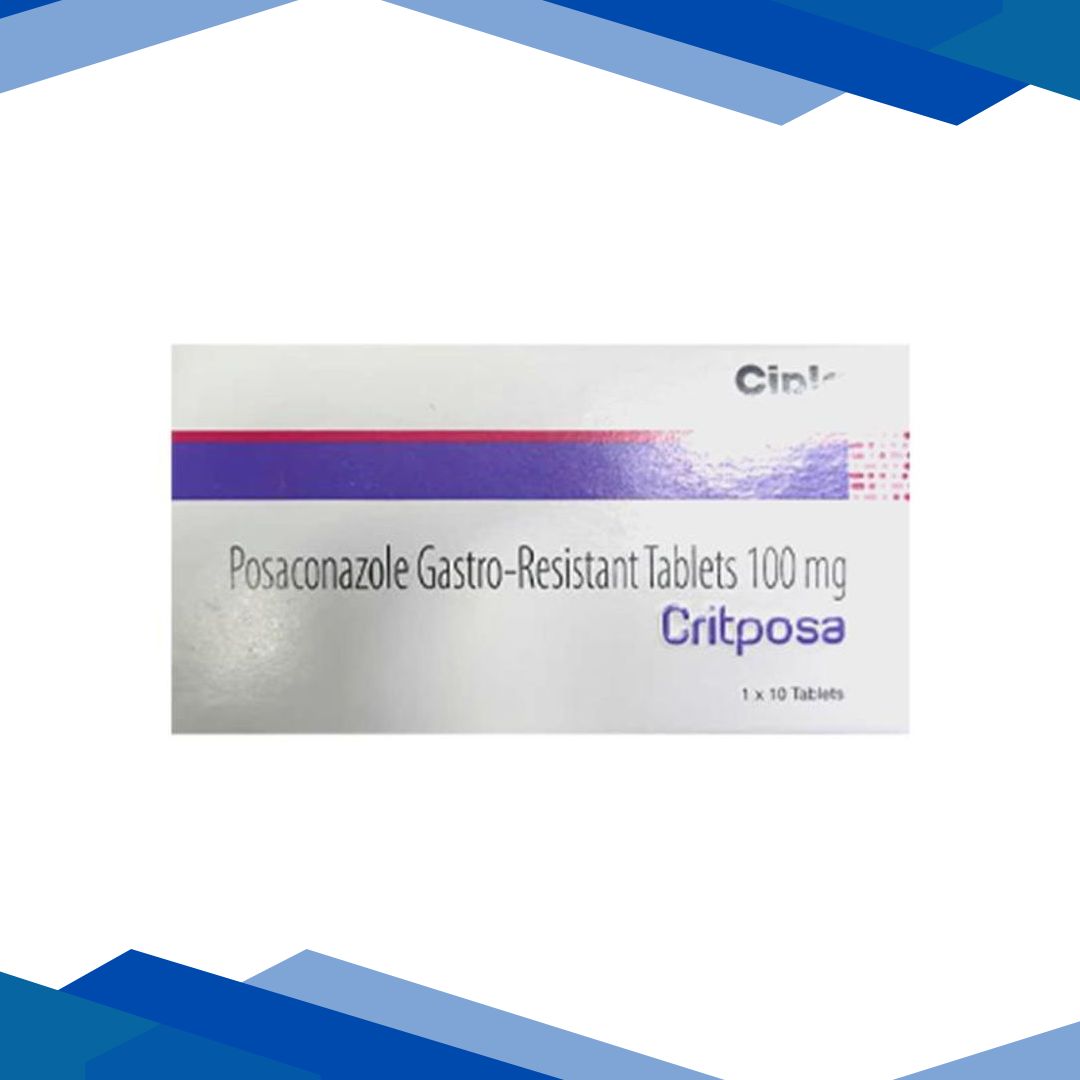
CRITPOSA Tablet 10’s
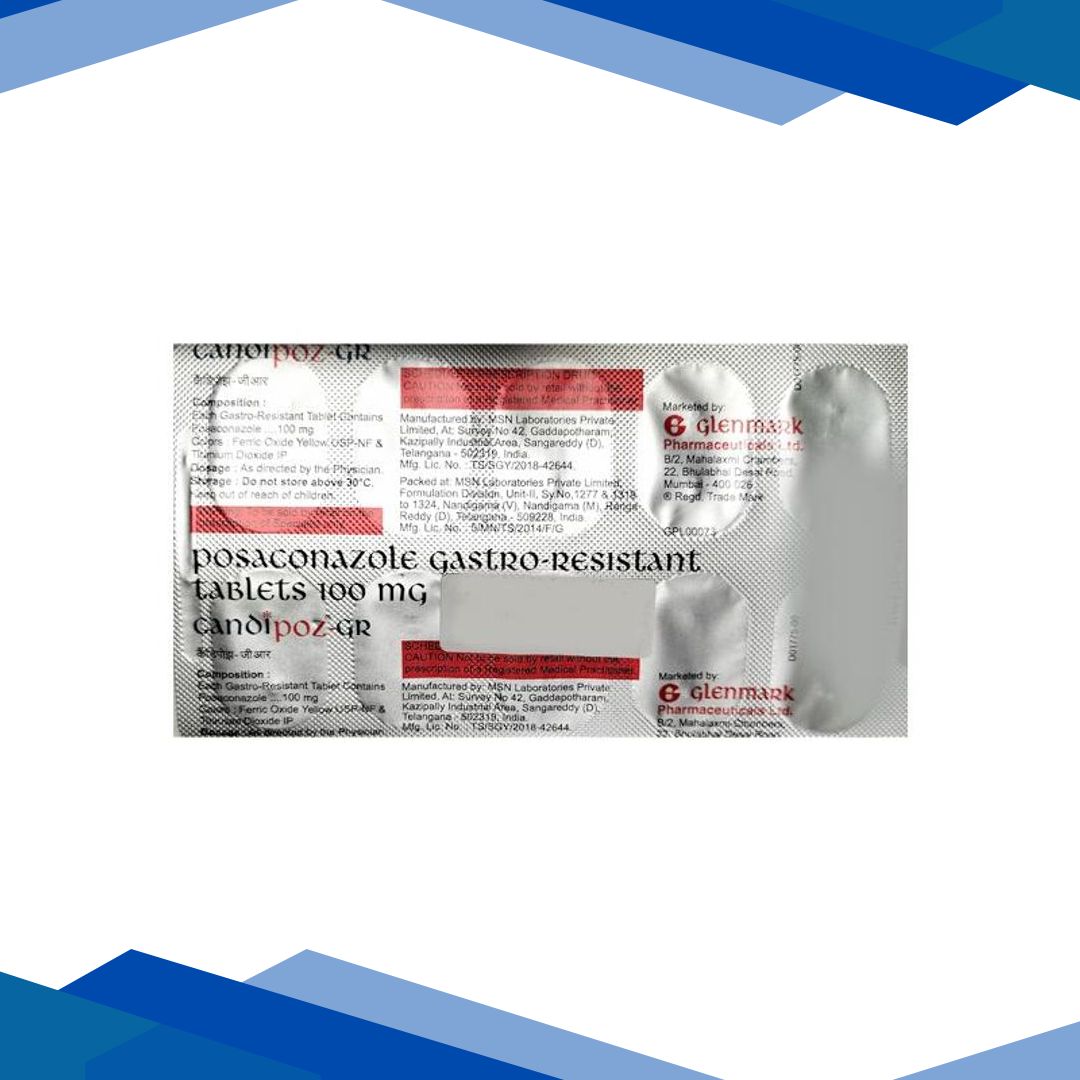
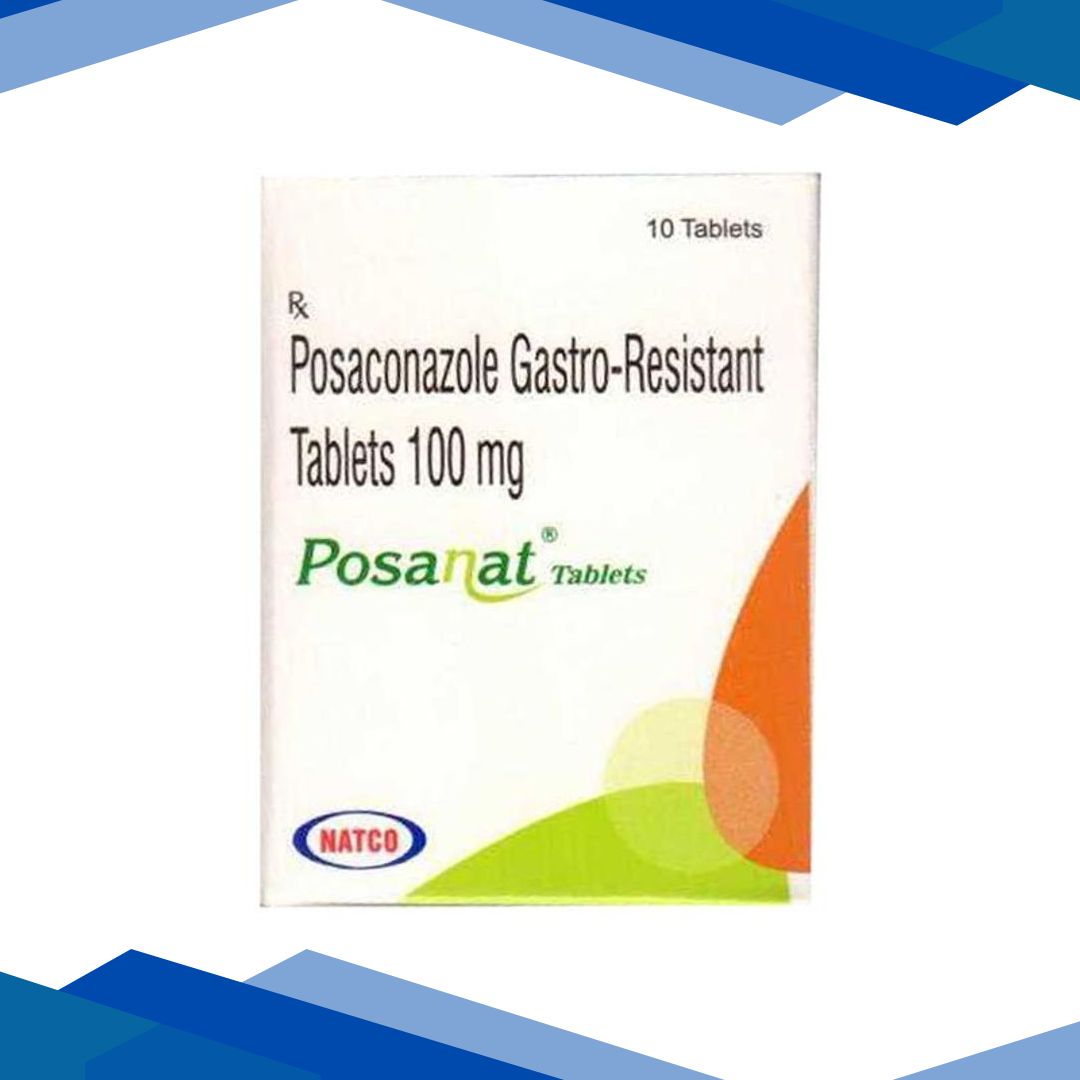
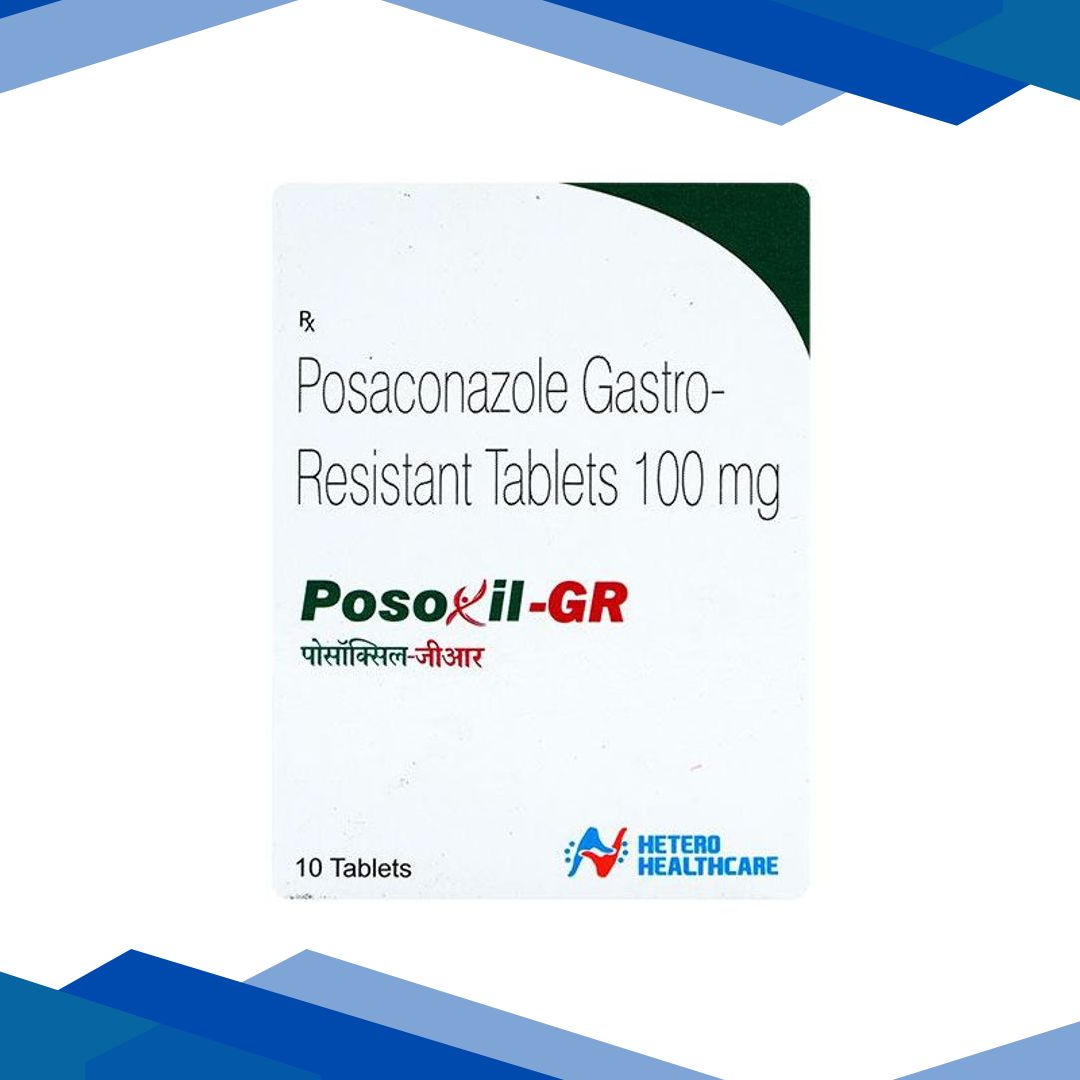
POSOXIL GR 100 Tablet 10’s
Posaconazole Tablets and Oral Suspension
Introduction
Posaconazole is a strong, broad spectrum triazole antifungal med, used mostly to prevent or manage severe fungal infections in people whose immune systems are weakened. In other words it is often given when the situation is high stakes, and infections can escalate fast.
Most antifungals you hear about hit only a smaller set of fungi, but Posaconazole works against a broader group of pathogens, including Aspergillus and Candida types. It becomes a key line of defense during chemotherapy, bone marrow transplants, or when someone is dealing with advanced immune suppression where fungal infections can turn into a serious health crisis.
Primary Medical Uses
Prophylaxis , Prevention: Specifically used for high risk patients. Examples include prolonged neutropenia (very low white blood cell counts) or graft versus host disease, to help stop invasive fungal infections before they start.
Treatment of Invasive Aspergillosis: Used for tough infections involving the lungs and the sinuses that are caused by Aspergillus fungi.
Treatment of Oropharyngeal Candidiasis: Given for persistent fungal infections affecting the mouth and throat when simpler therapies have not worked well enough.
How Posaconazole Works
Posaconazole acts by blocking fungi from forming proper cell walls. Fungi depend on a key molecule called ergosterol, which helps keep fungal cell membranes structurally stable.
Posaconazole inhibits the enzyme 14α-demethylase. This enzyme is essential for making ergosterol. When ergosterol cannot be produced correctly, the fungal cell wall becomes weak, leaky, and less functional. The fungus slows, stops growing, and is then ultimately cleared out. Since this enzyme is specific to fungi, Posaconazole aims at the infection while limiting harm to human cells.
Quick Reference: Usage and Administration
The results depend a lot on how you take it. Please follow these points :
Oral Suspension: Take the oral suspension with a full meal, or with a nutritional supplement. A meal that is high in fat, or simply substantial, boosts the absorption of the drug.
Delayed-Release Tablets: These tablets may be taken with food or without food. Swallow them whole, do not crush, chew, or break them.
Consistency: Take your dose at about the same time each day to help keep steadier drug levels in your blood.
Avoid Grapefruit: Grapefruit products can interfere with how your liver processes Posaconazole. That may lead to unpredictable drug levels in your bloodstream.
Common and Serious Side Effects
Many patients tolerate Posaconazole fairly well, but it is a systemic medication, so side effects can occur.
Frequently Reported Effects:
Nausea, vomiting, or stomach discomfort
Diarrhea or mild abdominal cramping
Headaches
Change in taste (dysgeusia)
Fatigue or feeling generally “under the weather”
Important Safety Alerts
Clinical Watch: Posaconazole can affect the heart’s electrical timing, meaning QT interval prolongation, and it can also affect liver function. Get urgent medical help if you feel faint, notice heart palpitations, or if you see signs of liver stress, such as dark urine, yellowing of the eyes or skin, or a persistent loss of appetite.
Expert Advice and Precautions
Drug Interactions: Posaconazole is well known for interacting with many medications, including some blood thinners (such as warfarin), certain cholesterol lowering drugs (statins), and some anti seizure medications. Provide your doctor with a full list of everything you take, including herbal products.
Liver Monitoring: Your clinician will order routine lab tests to watch liver enzymes and electrolyte levels, especially potassium and magnesium, through the treatment period.
Pregnancy: Posaconazole is usually not recommended during pregnancy, unless the expected benefit outweighs the risk to the fetus. Use dependable contraception during therapy.
Frequently Asked Questions (FAQs)
Q. Why must the oral suspension be taken with food?
Posaconazole oral suspension absorbs differently than you might expect. If you take it on an empty stomach, absorption becomes very poor, so you will not get enough medicine into your bloodstream to fight the infection. Eating, especially something with fat, helps deliver the drug so your body can use more of it.
Q. Can I switch between tablets and the oral suspension?
No. The tablet form and the oral suspension are not interchangeable. They are made differently, and your doctor sets the dose based on the specific product that was prescribed. Do not replace one with the other without clear instructions from your healthcare provider.
Q. How long will I need to take it?
That depends on how severe the fungal infection is, and how compromised your immune system is. For prevention (prophylaxis), it may be continued through the entire period where you remain high risk. For active infection, your doctor decides the length based on your improvement and follow up imaging.
Q. What if I miss a dose?
Take the missed dose when you remember. If it is already close to the next scheduled dose, then skip the missed one and return to your usual dosing plan. Do not take two doses at once to make up for it.
Q. Will Posaconazole affect my other long term medicines?
Yes, it can. Posaconazole interferes with certain liver enzymes that process many other drugs. That interference can cause other medications to build up to unsafe levels. Always check with your pharmacist or doctor when you start any new medicine while you are on Posaconazole, to avoid dangerous overlaps.