
Showing 1–20 of 40 resultsSorted by popularity
Filter
CRANTOP Sugar Free Raspberry Flavour Syrup 200ml


K MAC UTI SUGAR FREE Oral Suspension 100ml

ALKAPAC SUGAR FREE CARDAMOM FLAVOUR Syrup 100ml
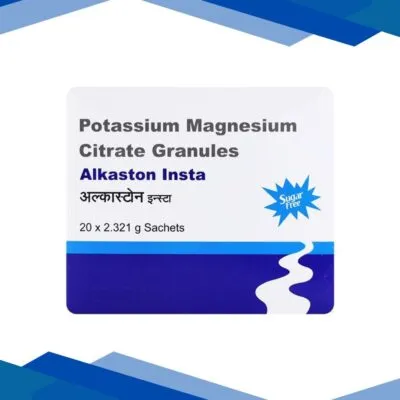
Alkaston Insta Sugar Free Powder 2.321gm


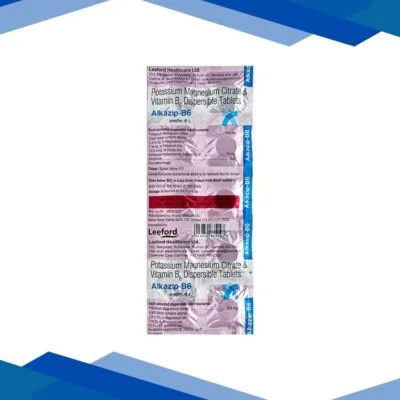
ALKAZIP B6 Dispersible Tablet 10’s

Magstone B6 SUGAR FREE PINEAPPLE FLAVOUR ORAL SOLUTION 200ml

CRANTOP SUGAR FREE PINEAPPLE FLAVOUR Suspension 200ml

GOEUTI ADULTS SUGAR FREE Suspension 200ml

ALKAPAC SUGAR FREE CARDAMOM FLAVOUR Syrup 450ml

ALKAPAC SUGAR FREE CARDAMOM FLAVOUR Syrup 200ml

AV UTI NUTRACEUTICAL NO ADDED SUCROSE Suspension 200ml

POTRATE UTI Suspension 210ml
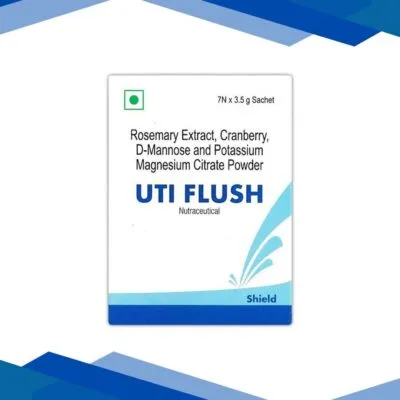
UTI FLUSH 3.5gm Sachet 7’s

URIKIND KM SUGAR FREE Suspension 100ml

CRANTRACT Sugar Free Oral Suspension 200ml
Potassium Magnesium Citrate Oral Solution / Tablets
Introductory note
Potassium Magnesium Citrate is a specialized nutritional supplement and a treatment tool used to deal with situations tied to urinary mineral imbalances. It is frequently suggested by urologists, and this particular formulation blends essential minerals in a citrate form, which tends to be very bioavailable, and effective for changing the chemical makeup of urine.
When citrate goes up in the urine, the medicine helps form a less crystal-friendly setting, this discourages the crystallization of calcium salts, often seen as the main driver behind kidney stone creation. For people who tend to get renal calculi again and again, it becomes a steady option, also for metabolic irregularities.
Main medical use
Kidney stone prevention: it is specifically used to reduce the chance of calcium oxalate and calcium phosphate stones in patients who have hypocitraturia, meaning low citrate levels within the urine.
Urine alkalinization: this is used to raise the urine pH a bit, so it helps keep acidic stones from forming, such as uric acid stones.
Mineral supplementation: it gives an important boost of potassium and magnesium, both of which play a direct role in nerve signals, muscle contraction and also in supporting stable blood pressure.
How it works
The effectiveness of Potassium Magnesium Citrate comes from a kind of two-pronged action, that goes like this:
Crystallization inhibition: citrate clings to calcium in the urine, and then forms a soluble complex. In other words, by tying up that calcium it stops the mineral from linking with oxalate or phosphate. This blocks the formation of solid crystals, which later can harden into stones.
PH management: once the body metabolizes citrate, bicarbonate is produced. That biochemical step then raises urine pH naturally, which makes the urine less acidic. A less acidic, more alkaline setting is needed to help prevent uric acid precipitation and other acidic stone forming materials.
Quick Note: How it s used and handled
How to use it: Follow what your doctor tells you about dosing, exactly. If you are using an oral solution, measure the dose with the calibrated cup you were given, never use a kitchen spoon. If you are using tablets, swallow them whole with a full glass of water, no splitting.
When to take it: For best results and to reduce stomach discomfort, take it after a meal, or alongside a light snack.
Fluids: This medication tends to work better when you keep up with strong hydration. Try to drink at least 2 to 3 liters of water each day so the kidneys can properly send minerals through the urinary tract.
Keeping it steady: Try to take each dose at the same time every day to keep citrate levels in your urine more consistent.
Common Side Effects
Most people handle this mineral supplement well, but a few may notice small digestive changes while the body adjusts.
Often Mentioned:
Mild stomach upset, or nausea
Sometimes looser stools or diarrhea
A feeling of bloating, or just a general abdominal discomfort, that kind of pressure in your stomach.
Clinical Alert: If you get severe abdominal pain, or vomiting that keeps going, black tarry stools, or you notice signs of an allergic reaction (like a skin rash, or swelling of the face/throat) then stop the medication, and talk to your doctor right away.
Expert Advice & Precautions
Kidney Function: Because this supplement really ramps up the workload on your kidneys, so they can expel minerals, it has to be used with extra caution if you have chronic kidney disease (CKD) or any reduced renal function.
Salt Intake: Keep an eye on how much salt, or dietary sodium you are getting. A high-sodium diet can undermine the stone-guarding benefits of this medication, since it can increase how much calcium your body excretes into your urine.
Concurrent Medications: Tell your doctor if you take blood pressure medications (such as ACE inhibitors), potassium-sparing diuretics, or other antacids. These may interfere with the potassium and magnesium balance in your bloodstream.
Regular Monitoring: Your physician may ask for periodic urine tests (24 hour collection) and blood work, to help check your electrolyte balance and make sure the medication is really doing what you need for the desired urine pH levels.
Frequently Asked Questions (FAQs)
Q. Can Potassium Magnesium Citrate dissolve existing kidney stones?
No. This medication is mainly a preventative agent. It helps stop new crystals from forming and it discourages existing small stones from getting bigger. Usually it cannot dissolve stones that have already hardened into a solid structure.
Q. Why is it important to drink so much water with this medication?
Water is basically the working vehicle for your kidneys. If you drink ample fluids, the minerals get diluted and cleared out more effectively. Without good hydration, the minerals in your urine can stay concentrated, and then the protective effect from the citrate is diminished.
Q. Can I take this with other vitamin supplements?
Always check with your pharmacist first. Some multivitamins include large doses of minerals that, if taken alongside this supplement, could cause electrolyte imbalances. One example is hyperkalemia. Do not mix this with other potassium supplements unless your doctor has told you to do so.
Q. Is it safe for patients with high blood pressure?
Potassium and magnesium can be supportive for cardiovascular wellness and may help with healthy blood pressure. That said, people using certain blood pressure medications that change how potassium leaves the body need extra observation and careful lab monitoring. Make sure your cardiologist knows about your full supplement regimen.
Q. How long do I need to take this medication?
If you have a history of recurrent kidney stones, this is often a long-term maintenance approach. How long you should continue depends on your metabolic profile and how quickly stones tend to come back. Your doctor will decide the best duration after reviewing your repeat 24-hour urine tests, and your overall follow ups.