



Showing all 19 resultsSorted by popularity
Filter
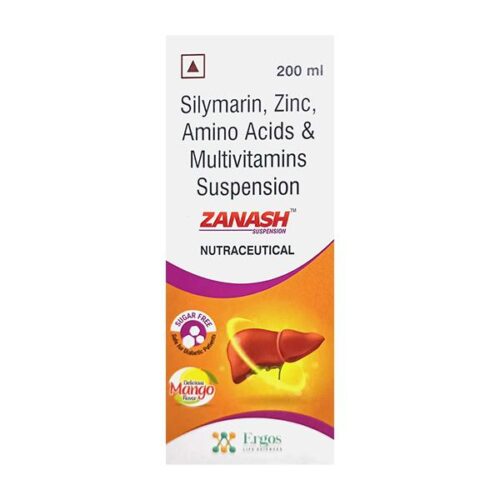
ZANASH SUGAR FREE DELICIOUS MANGO FLAVOR Suspension 200ml



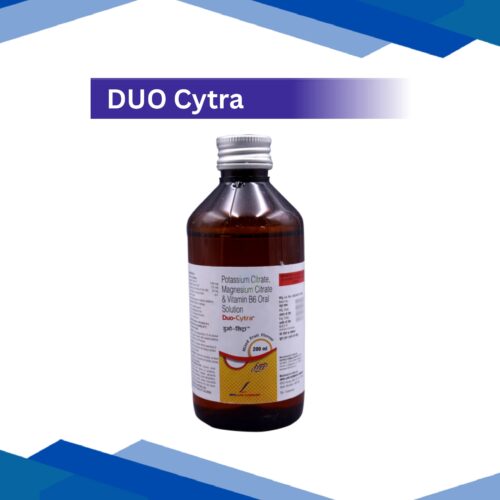
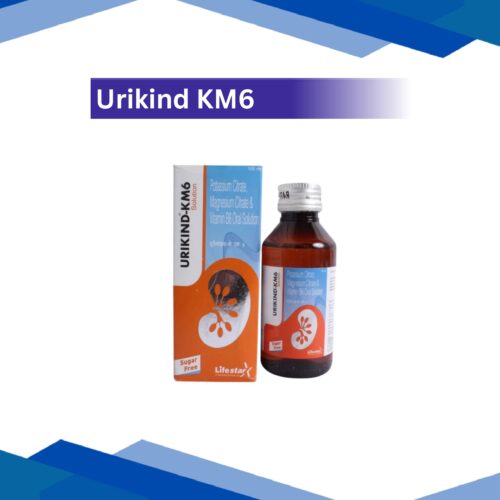
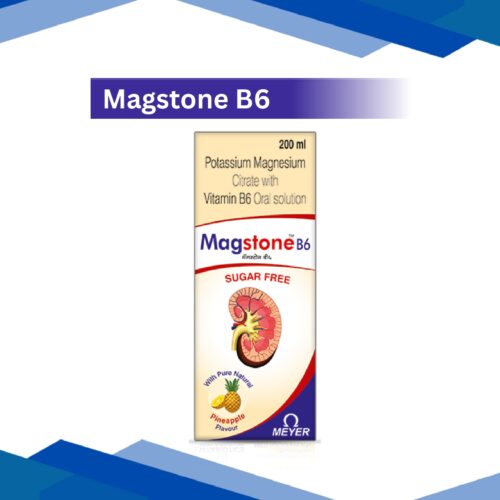
Magstone B6 sugar free 200 ml


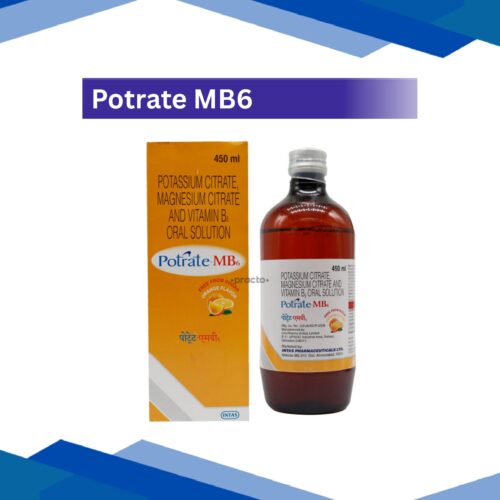
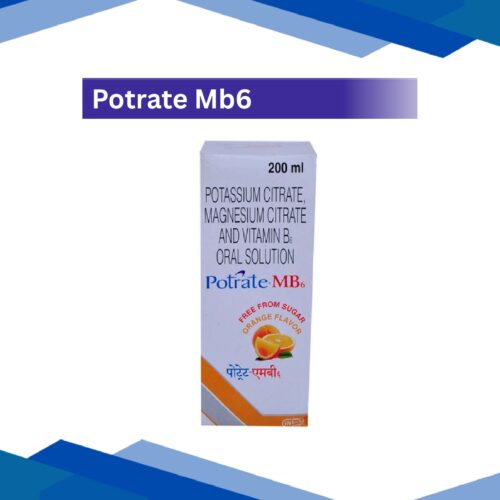



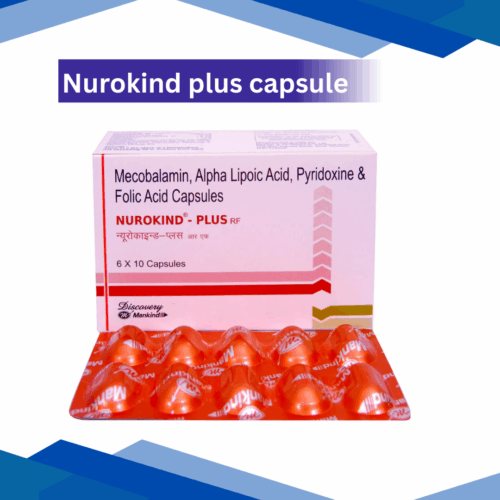
Nurokind Plus Rf Capsule 10

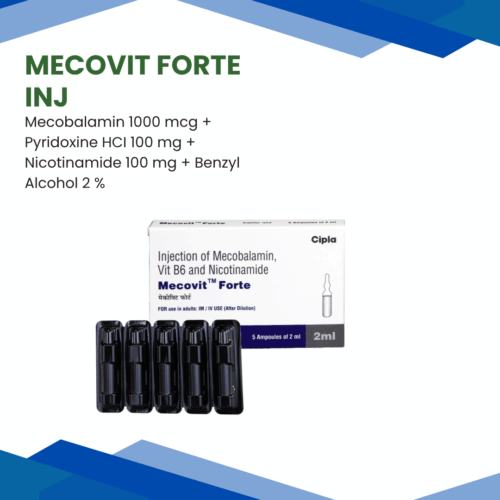
Pyridoxine Tablet (Vitamin B6)
Pyridoxine, also known as vitamin B6, is an important water-soluble nutrient necessary for more than 100 enzymes of the human body. It is involved in protein, carbohydrate, and lipid metabolism, the formation of neurotransmitters and red blood cells. Pyridoxine is primarily used to treat nutritional deficiencies, treat or mitigate drug-induced neuropathies (often from TB medications), and alleviate pregnancy-induced nausea.
Some of the Major Uses are as Follows:
Nutritional Deficiencies: Successful treatment and prevention of Vitamin B6 deficiency due to poor nutrition, chronic alcohol abuse, or malabsorption.
Drug-Induced Neuropathy: Pyridoxine is often given in conjunction with Isoniazid (for TB) to prevent peripheral neuritis (nerve damage).
Pregnancy-induced nausea: Often used as first-line management in morning sickness, sometimes together with Doxylamine.
Sideroblastic Anemia: It helps SSA-related type of hereditary anemias in producing healthy red blood cells.
Metabolic Support: Maintains the healthy brain development and makes the immune system work properly.
Pharmacologic Mechanism
Pyridoxine taken up is converted to an active coenzyme form Pyridoxal 5-Phosphate (PLP) by the liver. This active form acts as a catalyst for the following:
a. Amino acids metabolism: Breaking apart proteins into their constituent control for maintenance and repair.
Neurotransmitter formation: Serotonin, dopamine, GABA—neuromodulators that control mood modulation and rest.
Hemoglobin Synthesis: Assists in ensuring iron availability from GIT for hemoglobin production in an effort to obviate anemia.
Standard Dosage & Use
For Deficiency: Normally 50 mg to 150 mg in divided doses as prescribed by the physician.
For Isoniazid Prophylaxis: About 10 mg to 50 mg typically taken daily to stop symptoms of nervousness.
How to Take: Swallow the tablet whole with water. It can be taken with or without food. Try to take it at the same time every day to keep your B6 levels constant in your body.
Missed Dose: Take as soon as remembered; however, avoid a double dose. Skip the scheduled dose if close to another dose timing.
Safety Profile and Side Effects
Even though pyridoxine is a vitamin and generally safe, side effects at high use, long-term, or overdose were seen with the following:
Common: Mild nausea, headache, drowsiness
Sensory: Parasthesia may announce with tingling, “pins and needles” in the hands and feet.
Severe (rare): Chronic high doses (>200 mg/day for months) can cause reversible nerve parasthesia.
Alternative Lungales: Promptly consult your doctor if you observe an awkward gait and coordination loss while you are on this therapy.
Before Use and Interactions
Levodopa Interaction: If Levodopa (with Carbidopa) is used for Parkinson’s Disease, supplementation with Pyridoxine may reduce the drug’s effectiveness.
Precautions: Discretion should be exercised in people having a history of renal or hepatic disease.
Beverage: Too much alcohol decreases blood amounts of B6 and may actually make things worse in case of deficiency symptoms.
Pregnancy/Breast Feeding: Safe at therapeutic dosages but must be under doctor’s administration.
Frequently Asked Questions (FAQs)
Q: Does Pyridoxine help with fatigue?
While Pyridoxine is involved in energy metabolism, it is most effective when that weakness arises due to Vitamin B6 deficiency. A blood test or doctor consultation should confirm the actual cause of fatigue.
Q: Can Pyridoxine be taken daily?
Most individuals can use daily supplementation in varying amounts or as advised by their doctor, unless they are megadosing like in the case of sideroblastic anemia.
Q: Does it change urine color like other B vitamins?
It is not the case. Pyridoxine is pretty unlikely to change the color of your urine.
Q: Should I take this along with TB medication?
Yes, Pyridoxine can be taken with your other TB medications, including Isoniazid, to protect your nerves from the effects of the TB medications.
Q: How long does it take to see results?
Relief may show within 24–48 hours for morning sickness. As for pain from B6-deficiency, do not expect quick results; these neural pains may need several weeks to settle with consistent treatment.