
Showing all 4 resultsSorted by popularity
Filter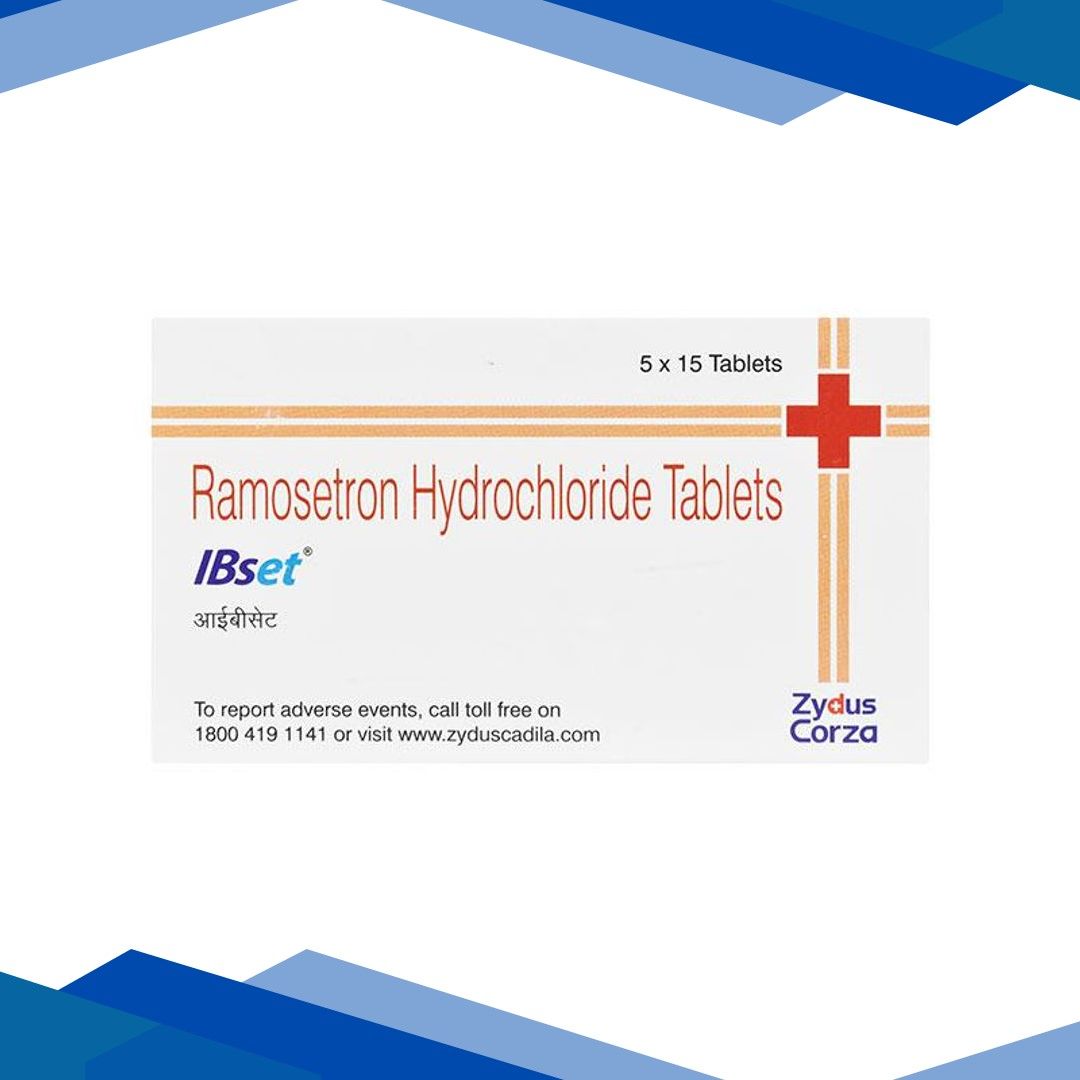
Ramosetron Tablets / Injection
Ramosetron is a powerful, second-generation selective serotonin (5-HT3) receptor antagonist, and yes it’s used when nausea and vomiting are really hard to control. It’s clinically indicated for the prevention and management of severe nausea and vomiting caused by cancer chemotherapy, radiation therapy, and surgical procedures. Also, in some medical situations, it is often trusted for Irritable Bowel Syndrome with Diarrhea predominance (IBS-D).
Therapeutic Class: Antiemetics / Gastrointestinal Agents
Pharmacological Class: 5-HT3 Receptor Antagonist
Common Brand Names: Ibset, Nozia, Ramoflush, Dabset
Prescription Required: Yes (Rx Only)
Primary Uses & Clinical Benefits
1. Chemotherapy-Induced Nausea & Vomiting (CINV)
Ramosetron gives strong protection against both acute and delayed vomiting phases that happen after emetogenic cancer treatments, like cisplatin therapy.
2. Post-Operative Nausea & Vomiting (PONV)
Given right before surgery, or during surgical recovery, it helps block the typical anesthesia-related nausea reflexes, which supports a smoother transition after the operation.
3. IBS-D Relief
In specialized micro-doses, Ramosetron modulates gut transit time. It helps limit intestinal hypermotility, so frequent watery stools, urgency, and ongoing abdominal pain can ease up.
How It Works
When someone is undergoing chemotherapy or has surgical trauma, the lining cells in the stomach release a chemical messenger called serotonin. This serotonin then binds to 5-HT3 receptors on vagal nerve endings in the gut, and also on vomiting-related pathways in the brain.
Ramosetron works by aggressively blocking those 5-HT3 receptors. In practical terms, it acts like a molecular barrier, stopping serotonin from triggering the nervous reflexes that fuel the urge to vomit, or that push bowel movements faster.
Administration Protocols & Dosage
Oral formulations: available as standard tablets or fast-dissolving orally disintegrating strips that melt on the tongue without water.
Injectable formulations: given as an intravenous (IV) injection by a qualified healthcare professional prior to surgery or before a chemo cycle.
Typical routine:
- For nausea: generally taken once daily, before a chemotherapy session.
- For IBS-D: highly tailored daily micro-doses (for example, 5 mcg), based on your gastroenterologist.
What if you vomit?
If an oral dose is vomited up within 60 minutes of swallowing it, a replacement dose should be taken right away, but only after medical confirmation.
Side Effects to Monitor
Ramosetron is known for a milder side-effect profile compared with many traditional antiemetics.
Common side effects:
- Headaches or a dull sensation of head heaviness
- Constipation, or harder stools, linked to slowed gut movement
- Mild bloating or abdominal distension
- Occasional flushing or warm sensations
Serious side effects (contact your medical team immediately):
Severe abdominal pain, complete lack of bowel movements, or any signs suggesting intestinal obstruction.
Also watch for anaphylactic reactions like facial swelling, severe wheezing, hives, or a sharp drop in blood pressure.
Safety Advice & Drug Warnings
Lifestyle / Condition — Safety Status
Alcohol ⚠️ Caution
Direct interactions are not clearly established, but alcohol can worsen gastrointestinal discomfort and dizziness.
Pregnancy ❌ Unsafe
Not recommended unless the clinical benefits clearly outweigh possible fetal harm. Check with your obstetrician.
Breastfeeding ❌ Unsafe
Animal data suggests the drug can enter milk. Nursing should be paused or discontinued during treatment.
Driving ⚠️ Caution
May cause slight dizziness or temporary fatigue. Avoid driving until you know how you respond.
Intestinal Blockage ❌ Contraindicated
Must not be used if you have a history of severe constipation, bowel obstruction, or colon issues.
Frequently Asked Questions (FAQs)
Q. Is Ramosetron an antibiotic or a steroid?
No. Ramosetron is not an antibiotic, and it is not a steroid. It’s a drug in the serotonin (5-HT3) receptor antagonist group. It doesn’t provide anti-inflammatory steroid effects, and it does not fight bacterial infections. Its main role is to regulate nausea signals and bowel speed by blocking serotonin.
Q. How quickly does Ramosetron start working?
Oral, including orally disintegrating forms, tends to act fast, with absorption and clinical effects often showing within 30 minutes to an hour. IV injections can work almost immediately to calm active nausea.
Q. Can I take Ramosetron for standard motion sickness or seasickness?
No. It is not effective for motion sickness. Motion-triggered nausea and vertigo are linked to histamine and acetylcholine pathways in the inner ear vestibules, while Ramosetron targets serotonin pathways in the gut and brainstem.
Q. What should I do if severe constipation develops while using this medicine?
Constipation can be a direct extension of how the medicine affects the gut, especially if you’re using it for IBS-D. If your stools become painfully hard, or if you cannot pass gas or stool for a couple of days, stop the medication right away and contact your doctor to reduce the risk of bowel blockage.
Q. Can I take Ramosetron alongside my regular antidepressant?
You must tell your physician about all psychiatric medications you take. Some antidepressants, like SSRIs or SNRIs, also change serotonin levels. Using them together with 5-HT3 blockers can rarely and seriously increase the risk of serotonin overload within the central nervous system.