
Showing all 6 resultsSorted by popularity
Filter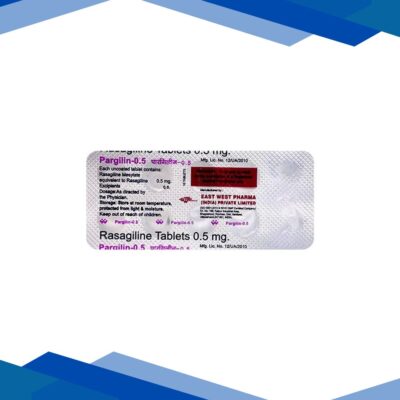

Rasalect 0.5mg Tablet 10’S


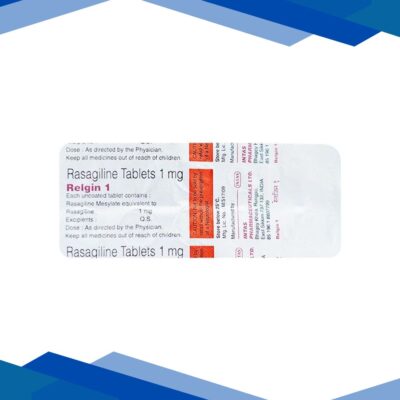
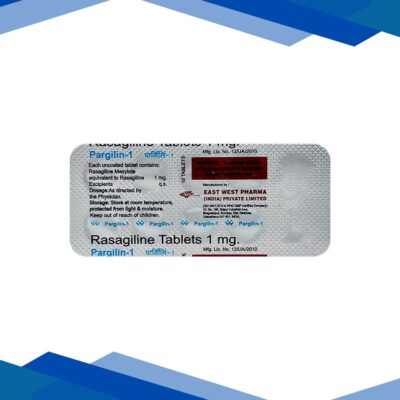
Rasagiline 0.5 mg / 1 mg Tablets
Rasagiline is an advanced, selective, and irreversible monoamine oxidase type B (MAO-B) inhibitor, designed for dealing with Parkinson’s disease symptoms. It helps preserve, and expand, the presence of active dopamine in brain pathways, so day to day motor control gets better, tremors can be reduced, and those annoying unpredictable movement swings feel smoother.
Therapeutic Class: Antiparkinsonian Agents
Pharmacological Class: Selective MAO-B Inhibitors
Available strengths: 0.5 mg and 1 mg
Prescription required: Yes (Strictly Schedule H Rx)
Therapeutic Indications & Clinical Benefits
1. Early-stage mono therapy
In the early phases of Parkinson’s disease, Rasagiline can be used completely on its own. It manages core symptoms like localized tremors, muscle stiffness, and bradykinesia (slowed body movements) without needing early exposure to levodopa.
2. Advanced add-on, multi-drug support
For people dealing with progressive Parkinson’s, Rasagiline works as a secondary defense next to levodopa or dopamine agonists. It supports the therapeutic lifecycle of levodopa, offering structural backup when primary medications start to lose impact.
3. Reducing “wearing off” episodes
As treatment progresses, many patients notice distinct “off-time” windows where the dose effect fades before the next scheduled tablet. Rasagiline can smooth out the transitions, reducing stretches of immobility and sudden muscle freezing.
Mechanism of Action: How it Works
Parkinson’s disease is mostly linked with the progressive loss of dopamine-producing cells in the brain’s basal ganglia. Normally an enzyme called monoamine oxidase type B (MAO-B) breaks down dopamine and clears it away.
Rasagiline binds selectively, and irreversibly, to MAO-B. So it prevents the enzyme from removing the brain’s remaining dopamine. By keeping dopamine levels steadier and higher at the neural synapses, it restores smoother communication routes to the muscles and helps stabilize uneven body coordination.
Standard Dosage & Administration Guide
Administration: Swallow the tablet whole with water. You can take it with food, or without food, but it is strongly recommended to lock in a steady daily schedule, and take it at the exact same hour each day.
Typical monotherapy dosage: For standalone therapy, the standard starting and maintenance dose is 1 mg orally once daily.
Typical combination dosage: When added to an active levodopa regimen, the starting dose is usually 0.5 mg once daily, and it may be increased to 1 mg depending on tolerance and your clinical response.
Sudden discontinuation: Do not stop Rasagiline abruptly, stopping suddenly can lead to withdrawal problems, like high fever, severe muscle rigidity, and sudden confusion. Always use your physician’s step-down plan.
Documented Side Effects
Rasagiline is effective, but it changes neurochemical balance and needs close monitoring for unwanted physiological shifts.
Common side effects:
- Headaches, dizziness, or localized lightheadedness
- Mild indigestion, nausea, or localized abdominal pain
- Flu-like symptoms, joint pain (arthralgia), or mild depression
- Dry mouth and temporary sleep disturbances (insomnia)
Serious adverse effects (contact your doctor immediately):
- Severe orthostatic hypotension: A sudden steep drop in blood pressure when standing up from sitting or lying, which can cause fainting or falls.
- Exacerbated dyskinesia: Increased involuntary, jerky, or overly active movements, which is often seen when paired with higher-dose levodopa.
- Hallucinations or behavioral shifts: New confusion, vivid nightmares, psychotic behaviors, or intense uncontrolled impulse actions such as compulsive gambling, eating, or spending.
Safety Warnings & Severe Drug Contraindications
Risk Parameter | Clinical Status | Medical Advisory Note
Antidepressants
❌ Absolutely contraindicated
Do not combine Rasagiline with SSRIs, SNRIs, tricyclic antidepressants, or St. John’s Wort, because this can trigger life-threatening Serotonin Syndrome.
Pain medications
❌ Absolutely contraindicated
Avoid pain relievers such as Tramadol, Meperidine (Pethidine), or Methadone alongside Rasagiline, because severe neurological and respiratory events can occur.
Cough/cold medicines
❌ Avoid
Do not take this with over-the-counter decongestants or medicines containing Dextromethorphan. The interaction may cause a severe hypertensive emergency, or strange psychotic-like behaviors.
Liver function
❌ Contraindicated
Avoid if you have moderate-to-severe hepatic impairment, since the liver helps metabolize Rasagiline and reduced function can lead to dangerous drug buildup.
Frequently Asked Questions (FAQs)
Q. Is Rasagiline a cure for Parkinson’s disease?
No. Rasagiline does not cure Parkinson’s permanently, and it does not stop the long-term deterioration of nerve cells. It works as a management tool that reduces active physical symptoms, lowers daily “off” periods, and helps keep a better daily quality of life.
Q. Do I need to follow a strict no-cheese diet while taking Rasagiline?
At the usual recommended daily doses of 0.5 mg or 1 mg, Rasagiline mainly inhibits MAO-B rather than MAO-A, so strict dietary limits are usually not required. However you still should avoid meals with very high tyramine levels, like aged cheeses, air-dried or cured meats, fava beans, tap beers, and overripe fruits. Extremely high tyramine can overpower the drug’s selectivity and may trigger a sudden blood pressure rise, called a “cheese reaction.”
Q. What if I miss a daily dose accidentally?
If you miss one, skip it completely and take the next tablet on the following day at your usual scheduled time. Do not double up, and do not take two pills the same day to replace it, because that increases the chance of serious side effects, including an unexpected spike in blood pressure.
Q. Why do I feel extremely dizzy when standing up after I start this medicine?
Rasagiline can cause orthostatic hypotension, meaning a temporary blood pressure drop when moving from lying or sitting to standing. This effect is most common during the first two months. For safer management, avoid standing up too fast from a bed or chair. Pause and sit on the edge for a moment before standing fully, especially after waking up in the morning.