
Showing the single result
Filter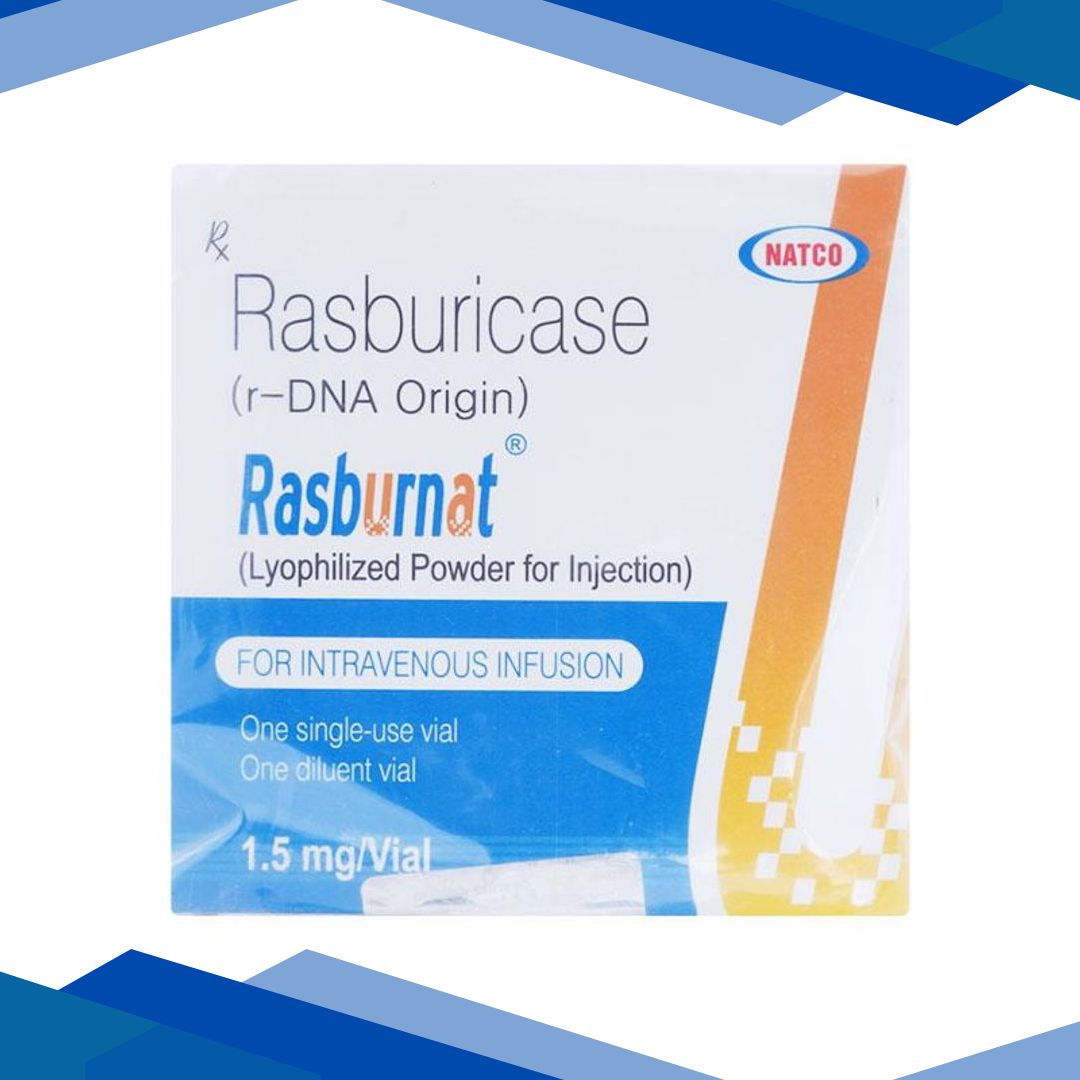
Rasburicase Injection
Rasburicase is a very specialized recombinant urate-oxidase enzyme, it gets used to control and prevent nasty peaks in blood uric acid levels (hyperuricemia). You’ll usually see it for adult and pediatric patients who are getting aggressive chemotherapy, for cancers like leukemia, lymphoma, and other solid tumor malignancies.
Therapeutic Class: Antineoplastic Adjunctive Therapies / Uricolytic Agents
Pharmacological Class: Recombinant Urate Oxidase Enzyme
Form Availability: Lyophilized powder for intravenous (IV) infusion (often 1.5 mg or 7.5 mg vials)
Prescription Status: Strictly Schedule H / Narcotic or Controlled-like restriction protocols (Rx Required, Institutional/Hospital Use Only)
Primary Uses & Clinical Benefits
1. Prevention of Tumor Lysis Syndrome (TLS)
When chemotherapy destroys big volumes of cancer cells quickly, the dying cells rupture, pushing their contents into the bloodstream. That harmful metabolic shift is what people call Tumor Lysis Syndrome. Rasburicase acts like an important protective barrier, keeping these surges better under control.
2. Rapid Breakdown of Uric Acid
Unlike medications such as allopurinol, which mainly prevent the creation of new uric acid, Rasburicase actively degrades the uric acid already circulating in the blood, bringing down toxic spikes in about 4 hours.
3. Preservation of Kidney Function
When uric acid accumulates heavily, it can form sharp crystals within the renal tubules, raising the odds of acute kidney failure. Rasburicase helps prevent crystal buildup, which reduces the risk of emergency dialysis during cancer therapy.
Mechanism of Action: How It Works
People do not have a working internal enzyme that reliably breaks down uric acid, so uric acid must be cleared through kidney excretion. Rasburicase is a recombinant form of urate oxidase, produced based on the fungus Aspergillus flavus.
It functions by catalyzing oxidation of poorly soluble uric acid into allantoin. Allantoin is inactive and highly water-soluble, making it harmless to the body and easily cleared through normal urine output.
Administration Protocols & Dosage
How it is given: Rasburicase should never be self-administered. It comes prepared as a sterile clear solution, and it is delivered slowly as an intravenous (IV) infusion over 30 minutes.
Standard Dosing Profile: Typical adult and pediatric dosing is 0.20 mg/kg once daily.
Duration of Therapy: It is commonly given daily for up to 5 consecutive days, aligning with the early window of the chemotherapy cycle. The exact duration depends on plasma uric acid trends monitored by the oncology team.
Side Effects to Watch For
Even though Rasburicase is essential for kidney safeguarding, healthcare providers should monitor systemic effects closely.
Common Side Effects:
- Nausea, vomiting, or abdominal pain
- Mild to moderate headaches
- Short feverish body temperature elevations
- Mild skin rashes or hives
- Diarrhea or constipation
Serious Adverse Responses (tell your clinic team immediately):
- Severe Allergic Reactions (Anaphylaxis): chest tightness, sudden wheezing, trouble breathing, or swelling of the face, lips, or tongue
- Hemolytic Anemia: unexpected fatigue, dizziness, pale skin, or a racing heartbeat (due to red blood cell breakdown)
- Methemoglobinemia: blue, gray, or purple coloring of lips, skin, or fingernails (impaired oxygen carrying capacity)
Boxed Warnings & Clinical Contraindications
Patient Risk Profile / Clinical Status
Strict Medical Mandate
G6PD Deficiency
❌ Absolutely Contraindicated
With inherited G6PD enzyme deficiency, there is an extremely high risk of severe red blood cell breakdown (hemolysis) when given Rasburicase. Screening is required for higher-risk groups before the first dose.
Pregnancy
❌ Not Recommended
There isn’t enough human data confirming fetal safety. Use should only happen if the lifesaving benefit to the mother clearly exceeds potential risks to the embryo.
Lab Test Interference
⚠️ High Precaution
Rasburicase stays active in blood samples at room temperature, so it can create falsely low uric acid lab readings. Blood collection should be in pre-chilled heparin tubes, then tested on ice within 4 hours.
Repeat Courses
❌ Contraindicated
Because it is a foreign protein, the body can form neutralizing antibodies. A later course can trigger severe hypersensitivity reactions.
Frequently Asked Questions (FAQs)
Q. Is Rasburicase itself chemotherapy or a cytotoxic drug?
No. Rasburicase does not directly attack or kill cancer cells. It is a supportive care medication used alongside chemotherapy to manage metabolic toxicities that occur when many cancer cells break down rapidly.
Q. How long until Rasburicase shows results?
It is very fast. A clear drop in plasma uric acid levels is usually seen within 4 hours after completing the first 30-minute IV infusion.
Q. Why can’t someone receive more than one Rasburicase course in their lifetime?
Because Rasburicase is a recombinant protein linked to fungal genetic material, your immune system may recognize it as foreign. Re-exposure can trigger a strong immune response, increasing the risk of life-threatening anaphylaxis.
Q. Why is drinking water emphasized during this medication?
Even though Rasburicase converts uric acid into a highly soluble product (allantoin), the kidneys still need to flush this waste out efficiently. Maintaining good hydration (often around 2 liters per day, if approved by your doctor) helps ensure proper kidney clearance.