
Showing 1–20 of 149 resultsSorted by popularity
Filter
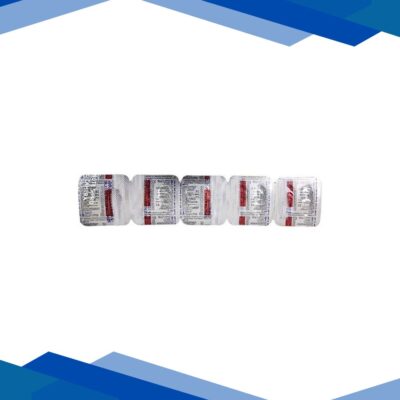
Rifampicin: Essential Guide to Uses, Dosage, and Precautions
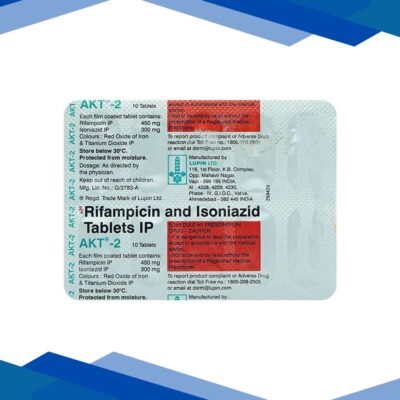
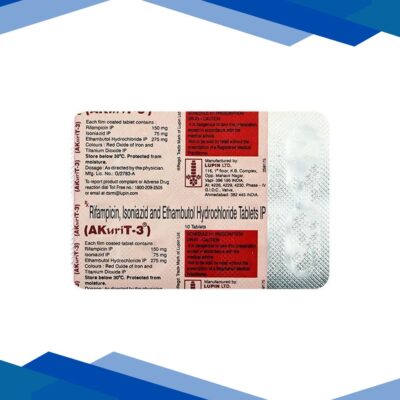
Rifampicin (also known as Rifampin) is a potent, broad-spectrum antibiotic primarily used as a cornerstone treatment for Tuberculosis (TB) and Leprosy. It belongs to the rifamycin class of medications and is highly effective at neutralizing the bacteria responsible for these chronic infections. Because it is so powerful, it is almost always used in combination with other antibiotics to prevent the bacteria from developing resistance.
How Rifampicin Works
Rifampicin functions by inhibiting the bacterial enzyme known as RNA polymerase. By blocking this enzyme, the medication prevents the bacteria from producing the essential proteins they need to survive and replicate. Essentially, it starves the infection at the genetic level, allowing the body’s immune system to clear the remaining bacteria.
Primary Therapeutic Uses
Tuberculosis (TB): Used in combination with other drugs (like Isoniazid or Ethambutol) for both active and latent TB.
Leprosy: A key component of Multi-Drug Therapy (MDT).
Meningitis Prevention: Often prescribed to “carriers” who have been exposed to Neisseria meningitidis to prevent the spread of the disease.
Legionnaire’s Disease: Occasionally used for severe respiratory infections caused by Legionella bacteria.
How to Take Rifampicin
Quick Tip: For maximum absorption, Rifampicin should be taken on an empty stomach, ideally 1 hour before or 2 hours after a meal.
Consistency: Take the medication at the same time every day to maintain a steady level in your bloodstream.
Complete the Course: Never stop taking Rifampicin early, even if you feel better. Stopping prematurely can lead to the return of a much more “drug-resistant” form of the infection.
Vital Safety Precautions
Before starting your regimen, ensure you discuss these points with your doctor:
Liver Health: Rifampicin can affect liver enzymes. Your doctor will likely order baseline liver function tests (LFTs) and monitor them periodically.
Drug Interactions: This is a “powerful inducer” of liver enzymes, meaning it can make other medicines (like blood thinners, heart meds, or anti-seizure drugs) less effective.
Contraception Alert: Rifampicin significantly reduces the effectiveness of hormonal birth control (pills, patches, or implants). Use a backup barrier method (like condoms) while on this treatment.
Alcohol: Avoid alcohol consumption during treatment, as it increases the risk of liver toxicity.
Common Side Effects
Fluid Discoloration: A very common (and harmless) side effect is that your urine, sweat, saliva, and tears may turn a reddish-orange color.
Digestive Issues: Mild nausea, stomach cramps, or loss of appetite.
Skin Reactions: Itching or a mild rash.
Flu-like Symptoms: Occasionally, patients may feel slight fever or chills, especially if taking the medicine on an intermittent schedule.
Frequently Asked Questions (FAQs)
1. Why has my urine turned orange/red?
Don’t panic! This is a classic side effect of Rifampicin. The medication itself has a deep red pigment that is excreted through body fluids. It is completely harmless, though it can permanently stain soft contact lenses, so it’s best to wear glasses during your treatment.
2. Can I take Rifampicin with food if it upsets my stomach?
While it is best absorbed on an empty stomach, if you experience significant nausea, your doctor may allow you to take it with a very small, non-fatty snack. However, check with your physician first, as food can reduce the drug’s effectiveness.
3. Does Rifampicin affect my birth control?
Yes, significantly. Rifampicin speeds up the metabolism of contraceptive hormones, making them much less reliable. You should use a non-hormonal form of contraception (like a condom or copper IUD) to prevent unplanned pregnancy during treatment.
4. What should I do if I miss a dose?
Take it as soon as you remember. If it is almost time for your next dose, skip the missed one. Do not double the dose, as this increases the risk of side effects and liver strain.
5. Can Rifampicin treat a common cold or flu?
No. Rifampicin is an antibacterial medication. It is only effective against bacterial infections and will not work for viral infections like the common cold, flu, or COVID-19.
Medical Disclaimer: The information provided here is for educational purposes and should not be used as a substitute for professional medical advice, diagnosis, or treatment. Always consult your doctor before starting any new medication.