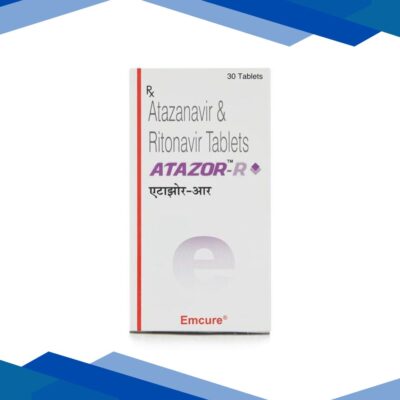
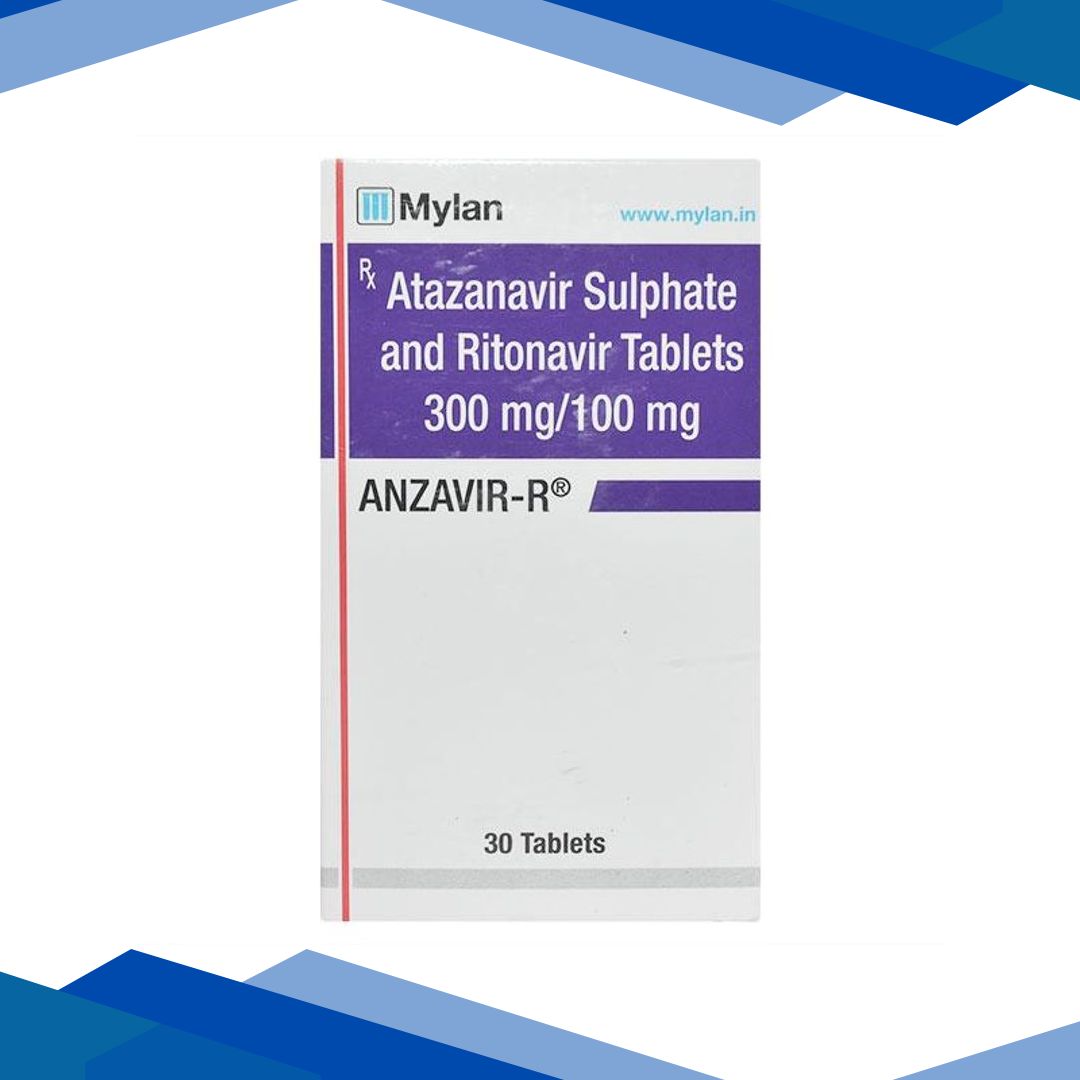
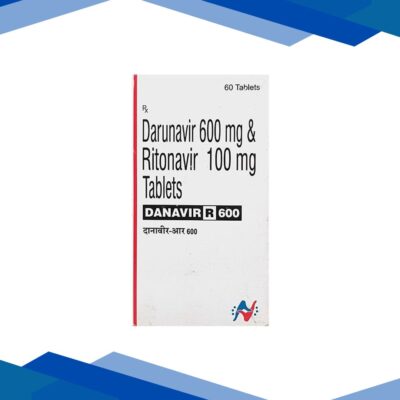
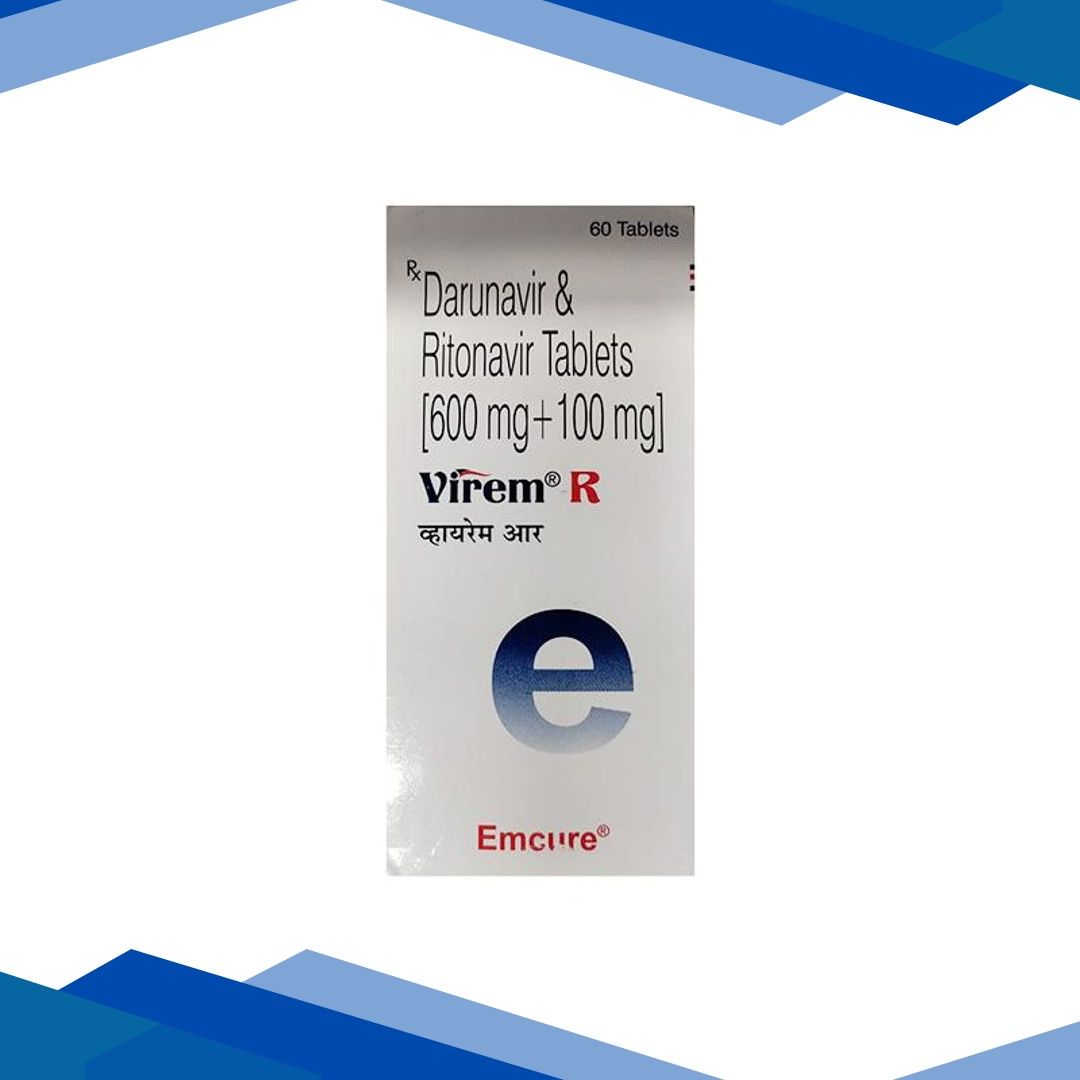
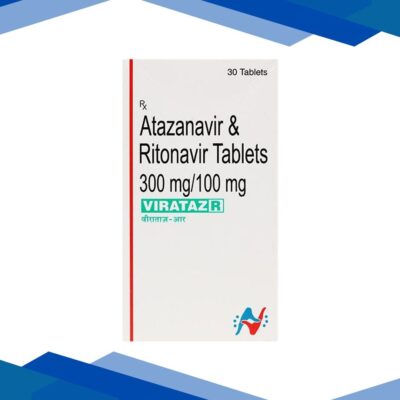
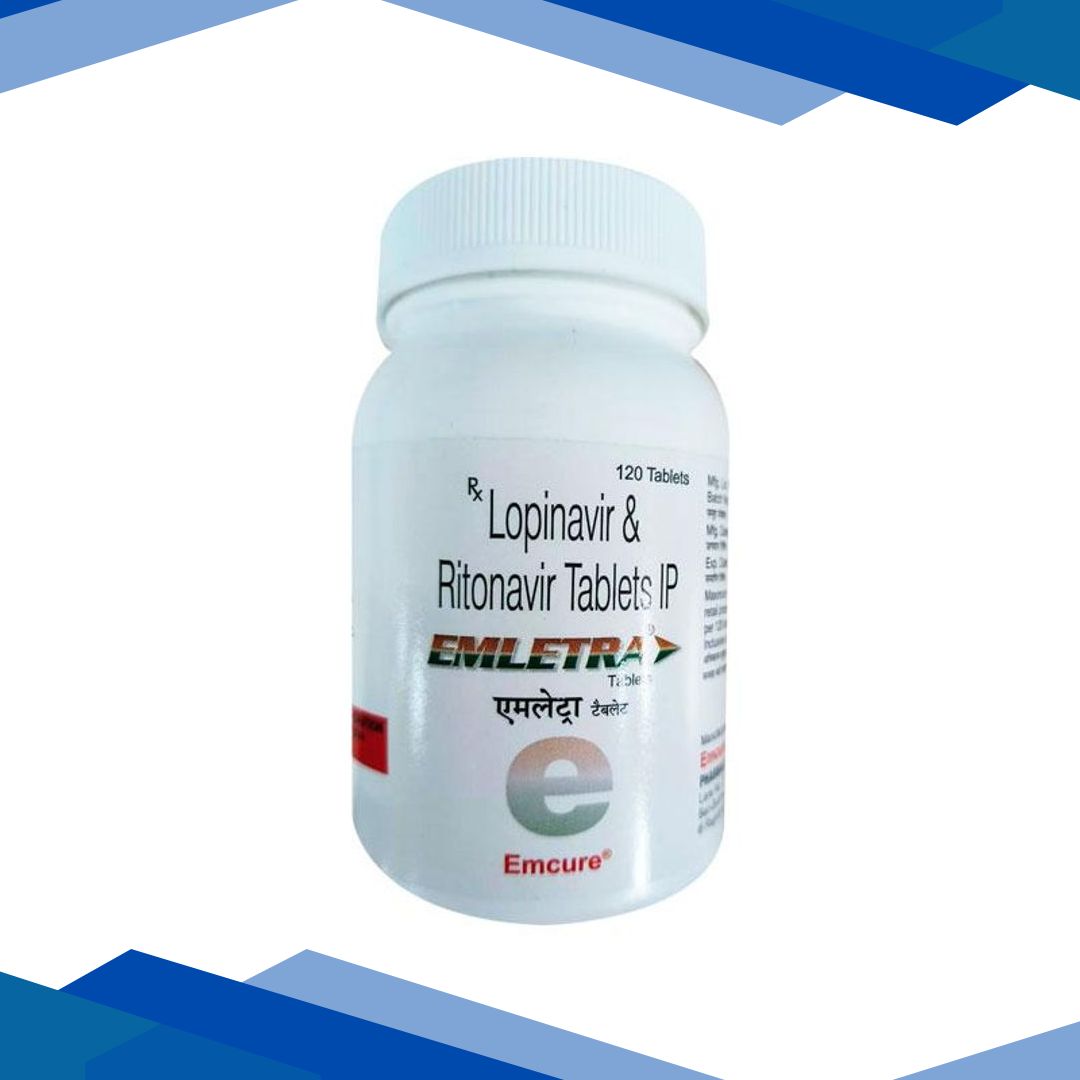
Ritonavir 100 mg Tablet
Ritonavir is a potent antiviral medication and belongs to the class of Protease Inhibitors (PIs). Its original application was as an inhibitor of HIV-1, but now it is generally used at lower doses to “boost” other antiviral medicines. Ritonavir’s chief function consists of delaying the hepatic clearance of other antiretrovirals, thereby maintaining effective drug levels in the body for longer durations of time. It is normally administered in combination with other antiretrovirals or even as a part of novel antiviral treatments as in COVID-19.
Primary Uses
- Management of HIV: With other antiretrovirals (HAART) to control viral activities.
- In conjunction with protease inhibitors: Boosts the potency of other protease inhibitors like Lopinavir or Darunavir.
- In partnership with other antivirals: For treatment support in patients with COVID-19.
Unraveling the Modus Operandi
Ritonavir works by inhibiting the enzyme protease required for HIV and other viruses to efficiently replicate themselves and construct new viral particles. It basically attaches to the enzyme and closes it down so that the viruses cannot multiply.
Moreover, this drug puts a break on your liver enzyme, Cytochrome P450 CYP3A4, slowing the removal of medicines from the system. By keeping that pathway blocked, it ensures that the other drug will remain active in your body as strongly as possible throughout the day.
Fast Safety Checklist
| Visual | Suggestion |
| Food | Helps to take the drug with food and decreases stomach upset. |
| Pool of Drugs | Never miss a dose. Skipping a dose could lead to resistance to the drug. |
| Alcohol | Avoid alcohol or use in low amounts. May build up the risk of hepatic strain. |
| Medication Category | Monitor interactions carefully with prescribed medicines. |
| List of Other Drugs to Interact | Ritonavir has interacting potential with a variety of common drugs (e.g., medicines used for cholesterol or erectile dysfunction). |
The Common Performance Group
Some side effects are tolerable; these may improve progressively as your body gets used to this medication:
- Changes in the sense of taste (metallic or bitter)
- Nausea, vomiting, or diarrhea
- Tingling and numbness in your hands and feet or around the lips
- Unusually tired and weak feeling
- Elevated levels of cholesterol or triglycerides in your blood
Frequently Asked Questions (FAQs)
1. Does Ritonavir cure HIV?
No, Ritonavir does not cure HIV or AIDS. Ritonavir helps control the virus, lower the viral load in one’s body, and improve immunity in actively treated individuals. This makes you comparatively healthier and less likely to infect others.
2. Why do I need to take Ritonavir along with another drug?
Ritonavir is hardly ever administered alone when treating HIV. Most people take it as part of a combination because resistance can quickly emerge if only a single drug is used. In simple terms, Ritonavir greatly improves the effect of the other drugs it boosts.
3. What if I miss a dose?
If you remember within six hours of the dose, take it promptly with food. If more than six hours have passed, skip the missed dose. Avoid taking a double dose and continue the next dose at the regular interval.
4. Is it okay to take herbal supplements like St. John’s Wort?
No. St. John’s Wort appreciably reduces Ritonavir levels in the bloodstream, thus lowering the efficacy of treatment. Always consult your doctor before taking any herbal supplement or vitamin.
5. Does Ritonavir have an impact on weight?
Some patients may develop lipodystrophy, a condition altering fat distribution (e.g., fat increasing in the upper back/neck or around the stomach). These changes are usually monitored during clinic appointments.