
Showing the single result
Filter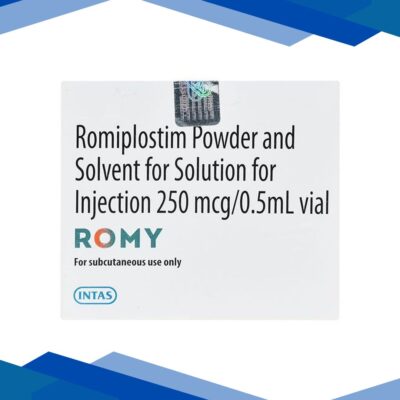
Romiplostim for Injection
Romiplostim is a highly specialized, recombinant (engineered) protein, it kind of sits in the thrombopoietin (TPO) receptor agonist family of medications. It is specifically suggested for patients who are dealing with chronic immune thrombocytopenia (ITP), which is an autoimmune condition that drives an unusually low platelet count. By essentially nudging the bone marrow to rev up platelet output, Romiplostim can greatly reduce the practical risk of severe, spontaneous bleeding situations.
Therapeutic Class: Blood Modifiers / Haemostatics
Pharmacological Class: Thrombopoietin (TPO) Receptor Agonist
Mode of Delivery: Subcutaneous Injection (powder for reconstruction)
Prescription Category: Strictly Schedule H / Schedule X (Specialist Rx Required)
Therapeutic Indications & Clinical Benefits
1. Advanced Management of Chronic ITP
Romiplostim is used in adults and pediatric patients (1 year and above) with chronic immune thrombocytopenia who have not responded enough to initial measures, such as systemic corticosteroids, intravenous immunoglobulins (IVIg), or removal of the spleen (splenectomy).
2. Focused Platelet Engineering
While immunosuppressants tend to block the body from destroying already present blood cells, this treatment mostly leans into production. It communicates with the body’s own manufacturing routes to rapidly create fresh, sound platelets.
3. Hematopoietic Support in Emergency Care
In certain global medical frameworks, Romiplostim is applied as an urgent counter-strategy for bone marrow impairment tied to life-threatening radiation exposure (Hematopoietic Syndrome of Acute Radiation Syndrome).
Mechanism of Action: How It Works
Platelet production is naturally guided by a hormone called thrombopoietin, which attaches to particular cells inside the bone marrow.
Romiplostim is engineered as a fusion protein that imitates that same physiological behavior. Once it is injected under the skin, it binds right to the TPO receptors on megakaryocyte precursors in the bone marrow, stimulating their growth and maturation.
This leads to increased platelet production, helping restore platelet counts toward safer levels and lowering bleeding risk.