S-Amlodipine: An Introduction, Uses, and Few Disorders
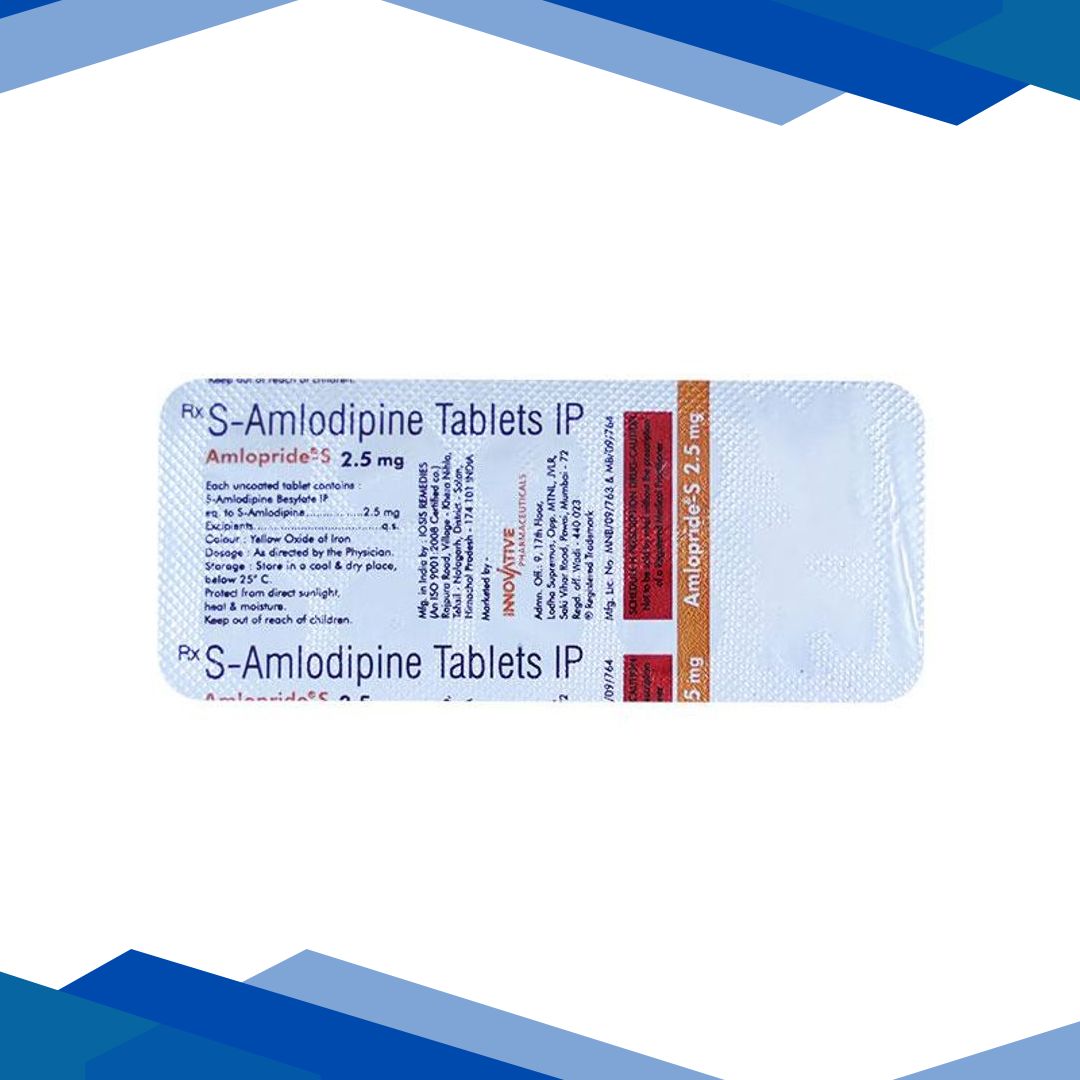
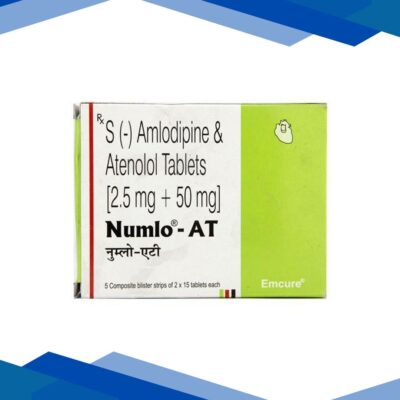
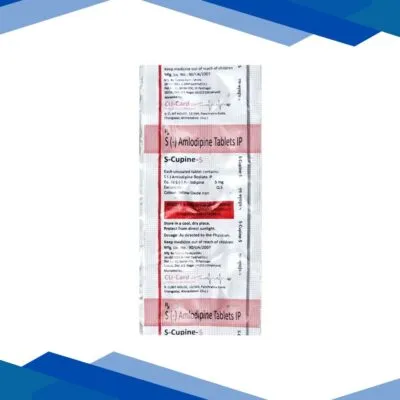
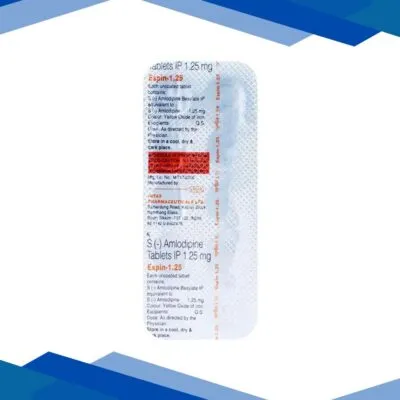
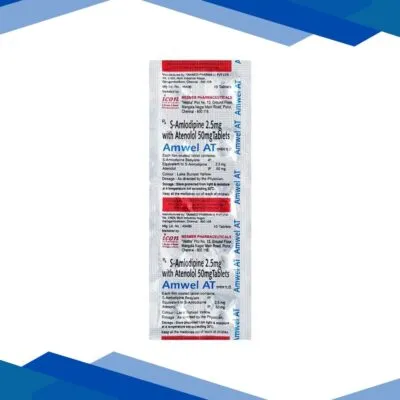
S-Amlodipine is a new drug used in controlling hypertension (high blood pressure) and keeping chronic stable angina (chest pain) at bay. Bearing the class Calcium Channel Blockers (CCBs), this specific drug is more potent compared to a mixture of the same with the original Amlodipine, which consists of the “S” active isomer alone. And since the “purer” form is said to provide the same type of blood pressure control achieved by the spray amodipine but with fewer common side-effects such as swelling in the ankles, it enables you to use a smaller quantity.
How It Works
To lower one’s blood pressure, S-Amlodipine will relax the smooth muscles within the walls of the blood vessels, which then would “widen” the vessels. This lowering action can occur owing to the lessened pressure that your heart has to pump against within your bloodstream. Lowering the pressure thus increases the amount of oxygen-rich blood supplied to the heart muscle itself, thereby alleviating anginal chest pain.
Key Benefits
- Highly Potent: it controls high blood pressure with lower doses, for example, 2.5mg vs. 5mg.
- Better Tolerability: Many patients notice less or no peripheral edema/flooding of feet.
- It is highly potent in the long run and requires only one tablet once a day for 24-hour protection.
Common Side Effects
Generally, the drug is known to be well tolerated, but still a few patients may notice
- Mild dizziness or lightheadedness
- Headache
- Flushing (warmth or redness in the face or neck)
- Fatigue
- Sleepiness
- Palpitations (feeling your heart beat)
Pro Tip: Turns out, dizziness could be alleviated somewhat by rising up slowly when you stand from a sitting or lying position. In case you sustain swelling of your legs, do inform your physician who may recommend to you the practice of elevating your feet at night.
Safety Advice
| Category | Guidance |
| Alcohol | Do not involve or limit beer, wine, cider, and spirits; this tends to lower blood pressure even more and accentuates dizziness. |
| Pregnancy | Contact your doctor. Advise against use during pregnancy unless the worth of it is clearly higher than the potentially serious risks. |
| Driving | S-Amlodipine could make you feel drowsy or faint, particularly during the first few days. |
| Dietary | Avoid grapefruit juice since it may interfere with the way your body handles the medication. |
Frequently Asked Questions (FAQs)
1. How is S-Amlodipine different from regular Amlodipine?
Classical Amlodipine is racemic, consisting of two isomers, R and S; the S-isomer is the only relevant one when it comes to lowering blood pressure. On the other hand, S-Amlodipine is composed only of the active form, therefore taking a smaller-dosage pill might also provide a treatment option with fewer risks, such as the occurrence of edemas in legs.
2. Should I take it in the morning or at night?
It can be used at any time of the day, with consistency being more beneficial. That said, most doctors suggest the morning so as not to miss a dose; but taking it before bed might be better if it makes you drowsy.
3. Can I stop taking it once my blood pressure is normal?
No. Hypertension is called the “silent” condition, since the medicine is what keeps your BP in check. When you stop, your BP will likely rise again, increasing your risk of heart attack or stroke. Always consult your physician before making alterations.
4. Does S-Amlodipine compromise the kidneys?
S-Amlodipine is deemed safe for the kidney. But actually, by controlling high blood pressure, it even offers protection to your kidneys against any chronic damage that might eventually result from high blood pressure.
Expert Disclaimer
This does not constitute professional medical advice and is for informational purposes alone. Always clear it with your healthcare provider when initiating or considering any medication changes.