
Showing all 2 resultsSorted by popularity
Filter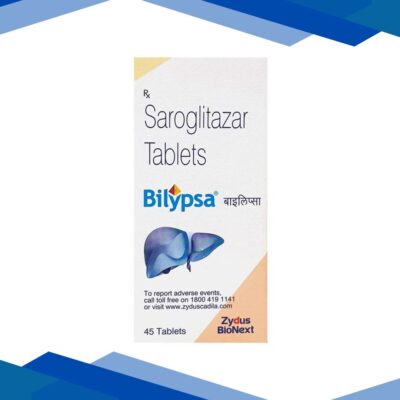
Bilypsa 4 mg Tablet 45’S
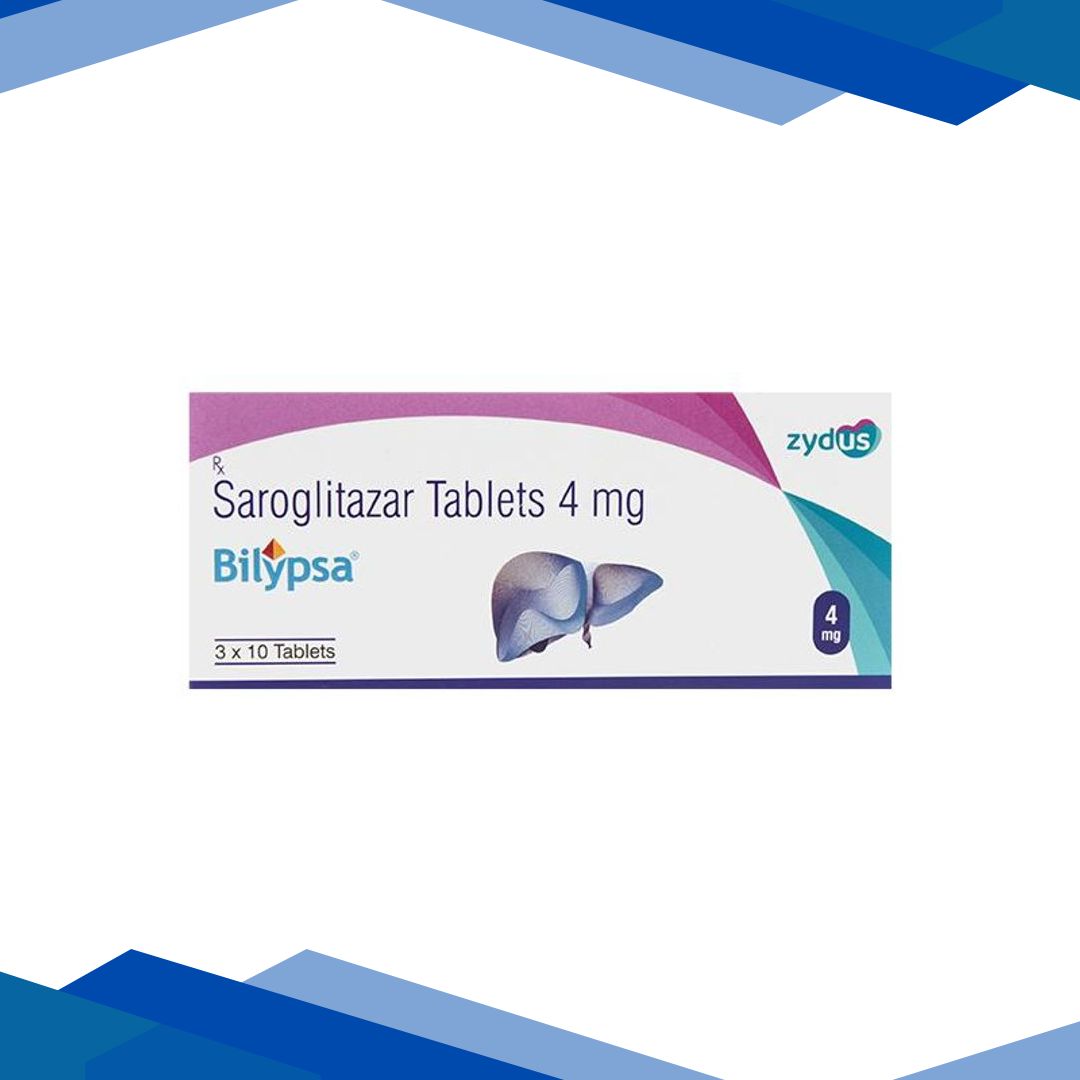
Saroglitazar: A Breakthrough in Diabetes Dyslipidemia & NASH Management
Saroglitazar is a first-in-class, innovative medicine that acts as a Dual PPAR (Peroxisome Proliferator-Activated Receptor) agonist. It is used to manage metabolic disturbances in Type 2 Diabetes (T2D), especially in patients with high triglycerides, Non-Alcoholic Fatty Liver Disease (NAFLD), or Non-Alcoholic Steatohepatitis (NASH).
By acting on both alpha and gamma receptors, Saroglitazar provides an integrated approach to controlling blood sugar and lipid levels simultaneously.
How Saroglitazar Works
Unique Feature and Its Use in Metabolism
Saroglitazar is unique due to its dual mechanism targeting two major metabolic pathways:
PPAR-alpha Agonism: Helps reduce high triglycerides and increase HDL (good cholesterol), supporting heart health.
PPAR-gamma Agonism: Improves insulin sensitivity, aiding better control of blood glucose levels.
Unlike many drugs in this class, Saroglitazar is associated with fewer side effects such as significant weight gain or fluid retention (edema), making it a favorable option for targeted metabolic therapy.
The Potential Benefits and Valid Use
Case in Point | Clinical Benefit of Efficacy
Lipid Control — Significant reduction in triglycerides and non-HDL cholesterol
Glycemic Management — Improvement in HbA1c through enhanced insulin sensitivity
Liver Health — Helps reduce liver fat in NASH/NAFLD
Cardiac Safety — Manages the lipid triad in diabetes, lowering cardiovascular risk
Usage Policy and Expert Recommendations
Consultation Needed: Saroglitazar is a prescription-only medication. Initiation should be guided by a diabetologist, endocrinologist, or gastroenterologist.
Administration: Typically taken orally once daily, usually at a dose of 4 mg.
Timing: Take at the same time each day to maintain stable blood levels. It can be taken with or without meals.
Lifestyle Synergy: Best results occur when combined with a low-fat, low-sugar diet and regular exercise.
Adherence: Do not stop the medication abruptly, even if lab values improve—only discontinue under medical advice.
Frequently Asked Queries (FAQs)
1. What is Saroglitazar’s most common use?
It is primarily used for diabetic dyslipidemia and NASH, helping control both blood sugar and abnormal lipid levels.
2. Does Saroglitazar cause weight gain like other diabetes drugs?
No. Saroglitazar generally has a weight-neutral effect, unlike older PPAR-gamma agonists (e.g., pioglitazone), which may cause weight gain or edema.
3. How long does it take to show results?
Initial metabolic effects begin early, but noticeable improvements in triglycerides and HbA1c usually take 4–8 weeks of consistent use.
4. Can it be taken with other diabetes medications?
Yes, it is commonly used as an add-on therapy with drugs like metformin. Always inform your doctor about all current medications.
5. Are there any side effects to watch for?
Generally well-tolerated. Some patients may experience mild gastritis, fatigue, or slightly increased appetite. Persistent or severe symptoms should be reported.
6. Is Saroglitazar safe for kidneys?
Use with caution in patients with moderate to severe renal impairment. Regular monitoring of serum creatinine may be required.