
Showing the single result
Filter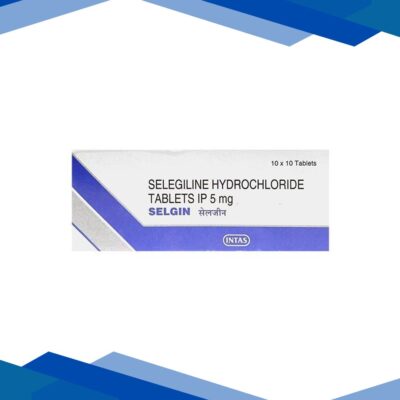
Selegiline: Promoter Neuroprotection and Parkinson’s Medication
Selegiline (also known as L-deprenyl) is a powerful drug belonging to the class of Monoamine Oxidase-B (MAO-B) inhibitors. It serves as a cornerstone in the treatment of Parkinson’s Disease and, in certain formulations (e.g., transdermal patches), is also used for Major Depression.
By reducing the breakdown of dopamine in the brain, Selegiline helps manage motor fluctuations and improves overall quality of life.
Mechanism of Action
Selegiline irreversibly inhibits the MAO-B enzyme, which is responsible for metabolizing dopamine in nerve cells.
Dopamine Preservation: By blocking MAO-B, it allows dopamine to remain active longer in the synaptic cleft, enhancing motor control.
Therapeutic Synergy: It enhances the effects of L-DOPA, leading to smoother symptom management such as reduced tremors, rigidity, and bradykinesia.
Neuroprotective Potential: Some studies suggest Selegiline may help protect neurons from oxidative stress, potentially slowing disease progression.
Key Benefits & Indications
Use Case | Therapeutic Goal
Parkinson’s Disease — Used alone in early stages or with Levodopa in advanced disease
Motor Fluctuations — Reduces “OFF” periods and improves mobility
Depressive Disorder — Transdermal formulations are used for major depression
Cognitive Support — Helps maintain alertness and mental clarity
Usage Guidelines & Expert Advice
Prescription Required: Selegiline should be initiated and monitored by a neurologist or psychiatrist.
Timing: Typically taken twice daily (morning and midday). Avoid evening doses due to its mild stimulating effect.
Orally Disintegrating Tablets (ODT): Place on the tongue and allow it to dissolve—do not take with water. Avoid food or drink for 5 minutes after dosing.
Monitoring: Regular check-ups are needed to monitor for dyskinesia or blood pressure changes.
Dietary Note: At standard doses (5–10 mg), strict tyramine restriction is usually not required, though moderation is advised.
Frequently Asked Questions (FAQs)
1. How is Selegiline different from other Parkinson’s medications?
While Levodopa supplies a precursor to dopamine, Selegiline helps preserve existing dopamine by preventing its breakdown—making it a dopamine-sparing agent.
2. Can Selegiline be used for depression?
Yes, but only in specific transdermal formulations (e.g., Emsam patch). Oral forms used for Parkinson’s Disease are not typically used for depression.
3. Why should I avoid taking Selegiline at night?
It can produce small amounts of L-amphetamine and L-methamphetamine, which may cause insomnia or disturbed sleep.
4. Which medications should be avoided?
Avoid combining Selegiline with SSRIs, SNRIs, Meperidine, or drugs containing dextromethorphan. These combinations may lead to serotonin syndrome, a potentially life-threatening condition.
5. Can Selegiline increase blood pressure?
At higher doses, it may lose selectivity and interact with tyramine-rich foods (e.g., aged cheese, red wine, soy sauce), potentially causing hypertensive crisis. This is rare at standard doses.
6. What should I do if I miss a dose?
Take the missed dose as soon as possible. If it is late in the day, skip it to avoid sleep disturbances. Do not double the dose.