
Showing all 4 resultsSorted by popularity
Filter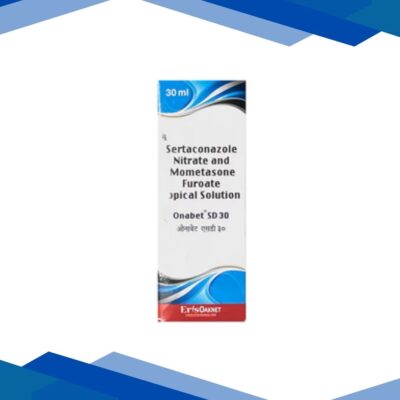
ONABET SD 30 Topical Solution 30ml
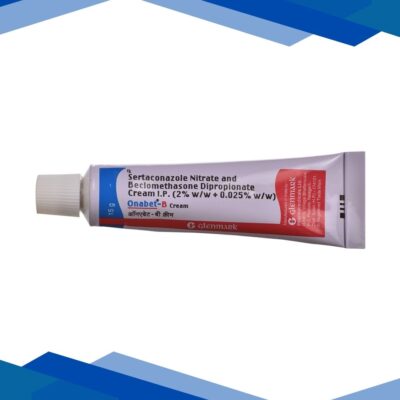
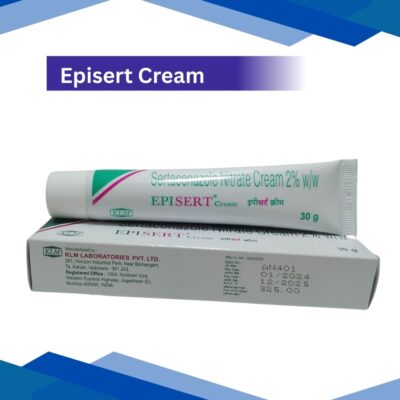
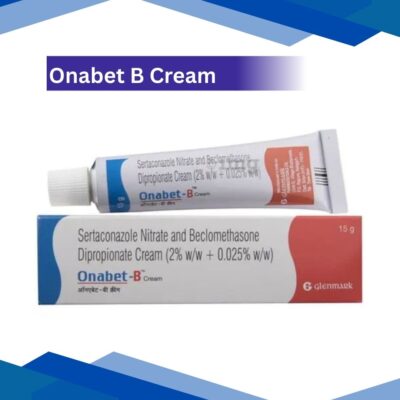
Sertaconazole Nitrate 2% w/w Cream
Sertaconazole Nitrate 2% is a strong, third generation imidazole derivative meant for topical antifungal therapy. It works well for surface skin mycoses, like athlete’s foot, ringworm, jock itch, and pityriasis versicolor. With a special double effect, it clears up localized fungal colonies while also reducing the skin irritation that usually shows up.
Therapeutic Class: Antifungals (Topical Formulations)
Pharmacological Class: Imidazole Derivative / Benzothiophene Compound
Availability: 2% w/w Topical Cream / Gel
Prescription Required: Yes (Rx)
Key Clinical Uses & Benefits
1. Broad spectrum fungal removal of dermatophytes
Sertaconazole Nitrate goes after many disease causing fungi, including Trichophyton rubrum, Epidermophyton floccosum, and Microsporum canis. It helps fade those circular, red, scaly patches found on the body.
2. Fixes interdigital tinea pedis (athlete’s foot)
This formulation is tuned for the stubborn fungus pockets that sit between toes. It breaks down the wet, cracked, peeling skin layers seen in fungal foot issues.
3. Helps reduce itch plus inflammation
Besides acting directly against the fungus, Sertaconazole reduces the release of certain pro inflammatory cytokines. Patients often feel faster relief from burning, itching, and redness that causes day to day discomfort.
The Double-Action Mechanism: How It Works
Sertaconazole Nitrate is different because it includes a highly lipophilic (fat soluble) benzothiophene ring. That structure gives a two pronged fungal attack:
Fungistatic Action (Growth suppression):
Like other azoles, it disrupts the lanosterol 14 alpha demethylase enzyme pathway. This blocks lanosterol from turning into ergosterol, the key structural piece of the fungal cell membrane. When ergosterol is missing, the membrane gets leaky and unstable, and fungal growth slows down.
Fungicidal Action (Direct cell killing):
Because of the benzothiophene ring, Sertaconazole can also attach to non sterol lipids in the fungal membrane. At treatment levels, it creates micro disruptions in the cell wall, so important internal molecules like adenosine triphosphate (ATP) leak out, and the fungus dies quickly.
Application Protocols & Administration Guide
Pre application:
Clean the affected area with a mild, soap free cleanser, then make sure the skin is fully dry. Extra moisture can help the fungus persist.
Application method:
Put a small amount of cream on your fingertip, then spread a thin layer over the lesion plus about 1 inch of surrounding healthy skin, to catch tiny fungal threads you might not see. Rub gently until absorbed.
Post application care:
Wash hands right away with warm water and soap after each use, to avoid spreading infection to other areas.
Typical course length:
Usually applied twice daily (morning and evening) for about 2 to 4 weeks, depending on how severe and what kind of mycosis it is.
Observed Side Effects & Local Tolerability
Topical Sertaconazole Nitrate stays mostly in the stratum corneum (the outer skin layer), with minimal systemic absorption, so whole body side effects are extremely rare.
Common local reactions (usually mild, brief):
- Temporary burning or stinging where it is applied
- Dryness, flaking, or localized peeling (xeroderma)
- Mild contact dermatitis or skin tenderness
Rare or serious signs (stop use and talk to a dermatologist, or an oncologist):
- Severe blistering, oozing, or open skin sores
- Sudden intense redness, swelling, or heat spreading (can suggest a secondary bacterial infection)
- Hives, or severe facial swelling suggesting a localized allergic reaction
Safety Consultations & Precautions
Scenario Profile
Safety Assessment
Clinical Directives
Occlusive Dressings
❌ Avoid
Do not wrap, bandage, or cover tightly the treated skin unless your physician asked for it. Occlusion boosts warmth and moisture, and that can increase skin maceration.
Pregnancy
⚠️ Caution
It is treated as a prescription level balance choice. Animal studies do not show fetal harm, but human data is limited. Use only when your doctor clearly tells you to.
Lactation
⚠️ Caution
It is not known whether topical use leads to trace amounts in breast milk. Avoid placing the cream directly on the breast or nipple before nursing.
Mucous Membranes
❌ Prohibited
Use only for external skin use. Keep it away from eyes, inner nasal lining, mouth, lips, vagina, or rectal areas.
Frequently Asked Questions (FAQs)
Q. Is Sertaconazole Nitrate Cream a topical corticosteroid?
No. Sertaconazole Nitrate is a pure broad spectrum antifungal. It does not contain hydrocortisone or any other steroid substance. Less redness and less itching come from its specialized anti inflammatory activity plus removing the fungal colony underneath.
Q. Why keep applying the cream if my skin looks healed?
Because fungal spores can remain in the deeper microscopic layers even after visible redness and scaling calm down. If you stop early, those dormant spores can reactivate and cause ongoing, hard to cure re infection. Complete the full duration your doctor prescribes.
Q. How long does Sertaconazole Nitrate remain active in the skin?
Due to its high lipophilic character, Sertaconazole has strong skin persistence. It binds well to skin fats and stays therapeutically in the stratum corneum for up to 72 hours after application, helping prevent fungal regrowth.
Q. Can this cream be used for diaper rash in infants?
Sertaconazole Nitrate is usually meant for adults and pediatric patients aged 12 years and older. Infant diaper dermatitis often involves sensitive skin barriers and needs a specific pediatric assessment to check for Candida problems. Do not apply this medication to infants without direct guidance from a pediatrician.