
Showing all 3 resultsSorted by popularity
Filter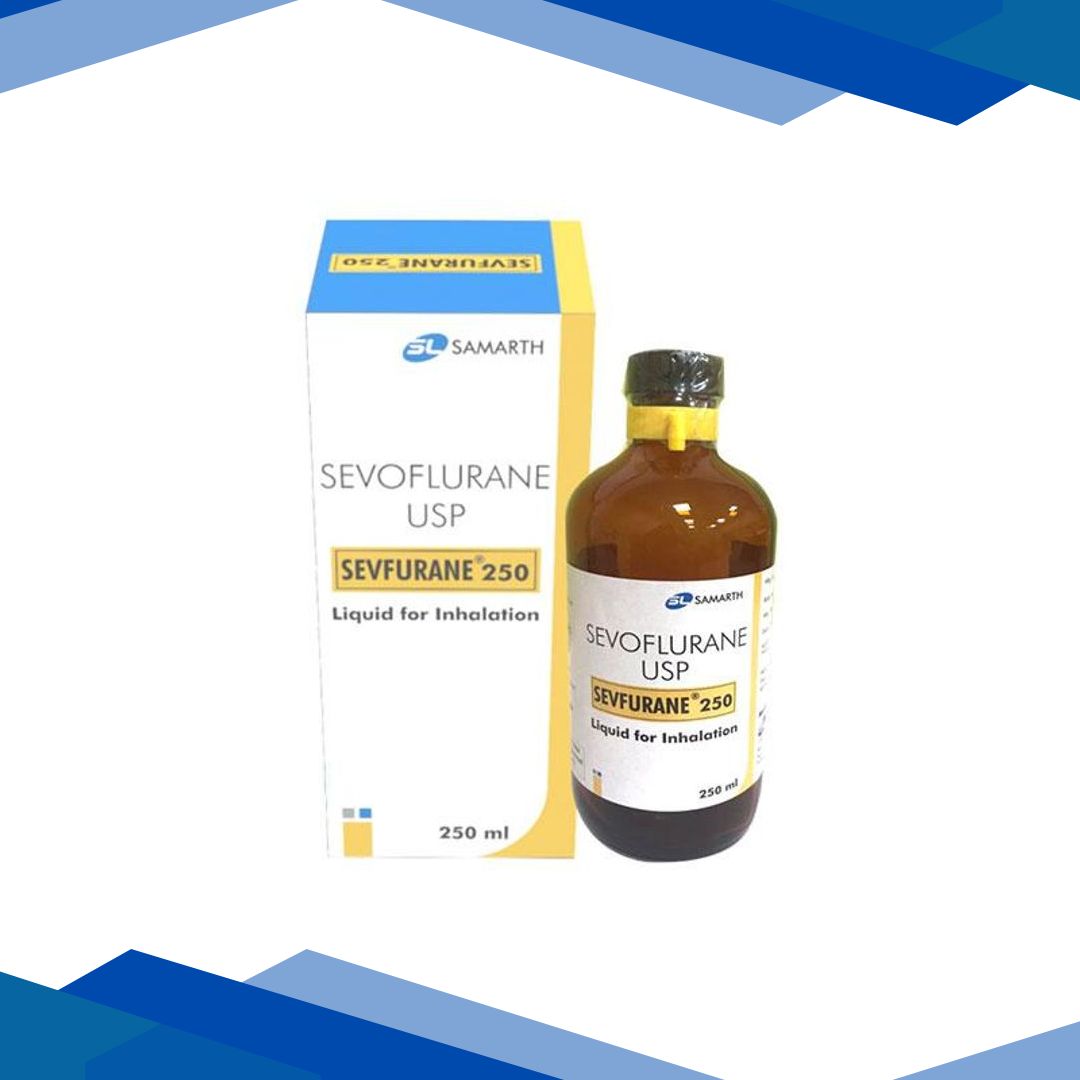
SEVFURANE 250 Liquid For Inhalation 250ml
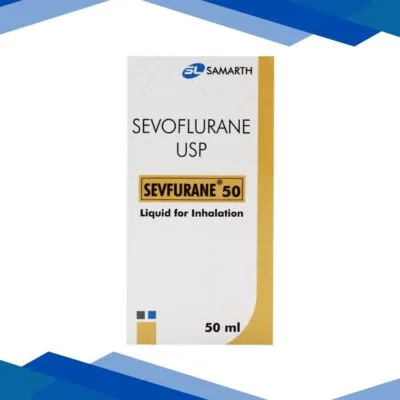
SEVFURANE 50 Liquid For Inhalation 50ml
Sevoflurane Inhalation Liquid
Sevoflurane is a clear , colorless , volatile liquid used exclusively for induction and keeping up general anesthesia during surgical interventions. It belongs to the halogenated ether inhalational anesthetic group and in most modern operating contexts it is considered the go to choice because it tends to be gentle on the airway, it does not sting the respiratory tract , and it works well in both adult and pediatric mask inductions.
Therapeutic Class: General Anesthetics
Pharmacological Class: Halogenated Volatile Inhalational Anesthetic
Form: Volatile Liquid (delivered using a calibrated vaporizer)
Prescription Status: Strictly Schedule H (Rx Required) Limited to hospital and operating room use only
Primary Uses & Clinical Benefits
1. Rapid Inhalation Induction
Because Sevoflurane has a low blood/gas partition coefficient , it dissolves minimally in the blood. That means the agent builds up quickly in the lungs and then reaches the brain fast, giving a smooth transition into unconsciousness. It also avoids the airway irritation and strong chemical odor that people associate with older agents like isoflurane.
2. Careful Maintenance of Anesthesia
For longer operations, an anesthesiologist can adjust the vaporized concentration of Sevoflurane to deepen or lighten the level of sleep in a timely manner, keeping surgical conditions stable.
3. Smooth Emergence and Recovery
When the vaporizer is turned off at the end of the case, the inhaled gas clears from the body quickly. Patients often regain awareness sooner, with less residual sedation during the recovery ward stay.
Mechanism of Action: How It Works
Sevoflurane causes general anesthesia mainly by reducing activity in essential neural pathways within the central nervous system. The exact molecular pathway is detailed and not fully simple, but it largely involves modifying lipid-matrix neuronal membranes. It increases inhibitory signaling via Gamma-Aminobutyric Acid (GABA) at the $GABA_A$ receptor complex, and it interrupts excitatory transmission such as NMDA (N-methyl-D-aspartate) receptor activity. This combined effect interferes with normal electrical messaging between brain cells , leading to hypnosis, amnesia, immobility, and a temporary reduction in pain perception.
Method of Administration & Scope of Use
Administration Protocol: This product must never be self-administered or swallowed. It is used only by clinical anesthesia teams, via a dedicated anesthetic machine with a color-coded Sevoflurane vaporizer. The liquid is vaporized and then blended with oxygen, or an oxygen-nitrous oxide mixture, for inhalation.
Dosing Metrics: Dosing is managed dynamically using the Minimum Alveolar Concentration (MAC) index. The needed concentration shifts with patient age, baseline vital signs , and concurrent IV therapies (for example opioids or muscle relaxants).
Documented Side Effects & Adverse Events
Like other strong general anesthetics, Sevoflurane changes overall body physiology and can lead to side effects during surgery as well as after the procedure.
Common Recovery Side Effects:
- Nausea and vomiting (seen in about 15% to 25% of patients after surgery)
- Shivering , chills, or temporary temperature reduction (hypothermia)
- Temporary swings in blood pressure (hypotension or hypertension)
- Emergence Delirium: short-lived agitation, confusion, or crying during waking, observed more often in pediatric patients
Rare, Severe Risks (Requiring Immediate Emergency Response):
- Malignant Hyperthermia: uncommon but life-threatening hypermetabolic genetic reaction, typically including sudden high body temperature, marked muscle rigidity, and fast heart rates
- Severe Respiratory Spasms: laryngospasm or failure of effective bronchodilation, especially in people with hyper-reactive airways or asthma
- Prolonged QT Intervals: temporary disruptions in the heart’s electrical rhythm
Safety Diagnostics & Institutional Precautions
Risk Evaluation
Clinical Status
Hospital Mandates & Special Instructions
Post-Anesthetic Driving
❌ Strictly Unsafe
Patients must not drive, handle machinery, or sign legal documents for at least 24 hours after emerging from anesthesia, because of lingering cognitive impairment.
Malignant Hyperthermia History
❌ Absolutely Contraindicated
Sevoflurane must never be used if the patient , or a close blood relative, has a known history of Malignant Hyperthermia. A different intravenous anesthetic plan should be selected instead.
Pregnancy ⚠️ High Caution
Reserved for situations where the maternal clinical benefit clearly outweighs fetal risk , such as emergency Caesarean delivery.
Breastfeeding ⚠️ Caution
Clinicians typically recommend pausing breastfeeding for 48 hours after waking from anesthesia, and discarding any milk expressed during that time.
Pre-existing Liver/Kidney Issues ⚠️ Special Caution
In older carbon dioxide absorbents, exothermic breakdown of the gas can form “Compound A,” so patients with impaired kidneys may require specialized fresh-gas flow settings.
Frequently Asked Questions (FAQs)
Q. Can a patient buy Sevoflurane liquid online for personal use?
Absolutely not. Sevoflurane is an institutional, prescription-only volatile anesthetic liquid. It is supplied only to registered hospitals, surgical centers, and licensed medical facilities. It cannot be sold for home administration because safe use depends on a sealed delivery system and trained clinical operation.
Q. Why is Sevoflurane preferred over other agents for children?
Many older anesthetic gases have a sharp, irritating smell that can make children resist breathing, causing breath-holding, coughing, or throat spasms during induction. Sevoflurane has a smoother, slightly sweet odor and is non-irritating for the respiratory tract. This supports a calmer sleep onset through a simple breathing mask, without insisting on an immediate IV line.
Q. What is emergence agitation, and how long does it last?
Emergence agitation (or delirium) is a short episode of confusion, restlessness, or crying that happens as the anesthetic gas clears the brain. It shows up most commonly in young children and usually improves on its own within 15 to 30 minutes in the post-operative recovery unit, as the patient becomes fully awake.
Q. How is Malignant Hyperthermia treated if triggered by Sevoflurane?
If signs of Malignant Hyperthermia appear (jaw rigidity, rising carbon dioxide, or high fever), the team will immediately shut off the Sevoflurane vaporizer, flood the anesthesia circuit with pure oxygen, and give intravenous Dantrolene Sodium right away, while starting active cooling procedures.