
Showing all 10 resultsSorted by popularity
Filter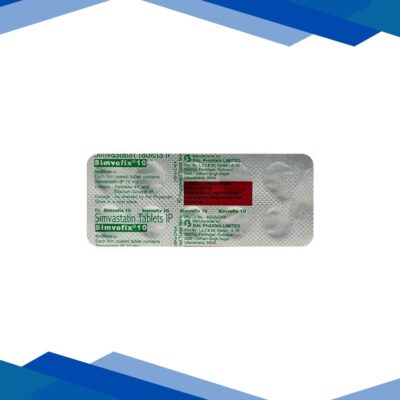

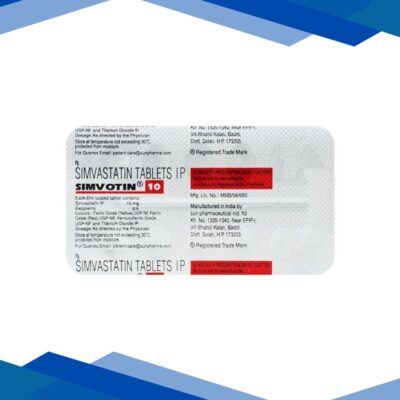
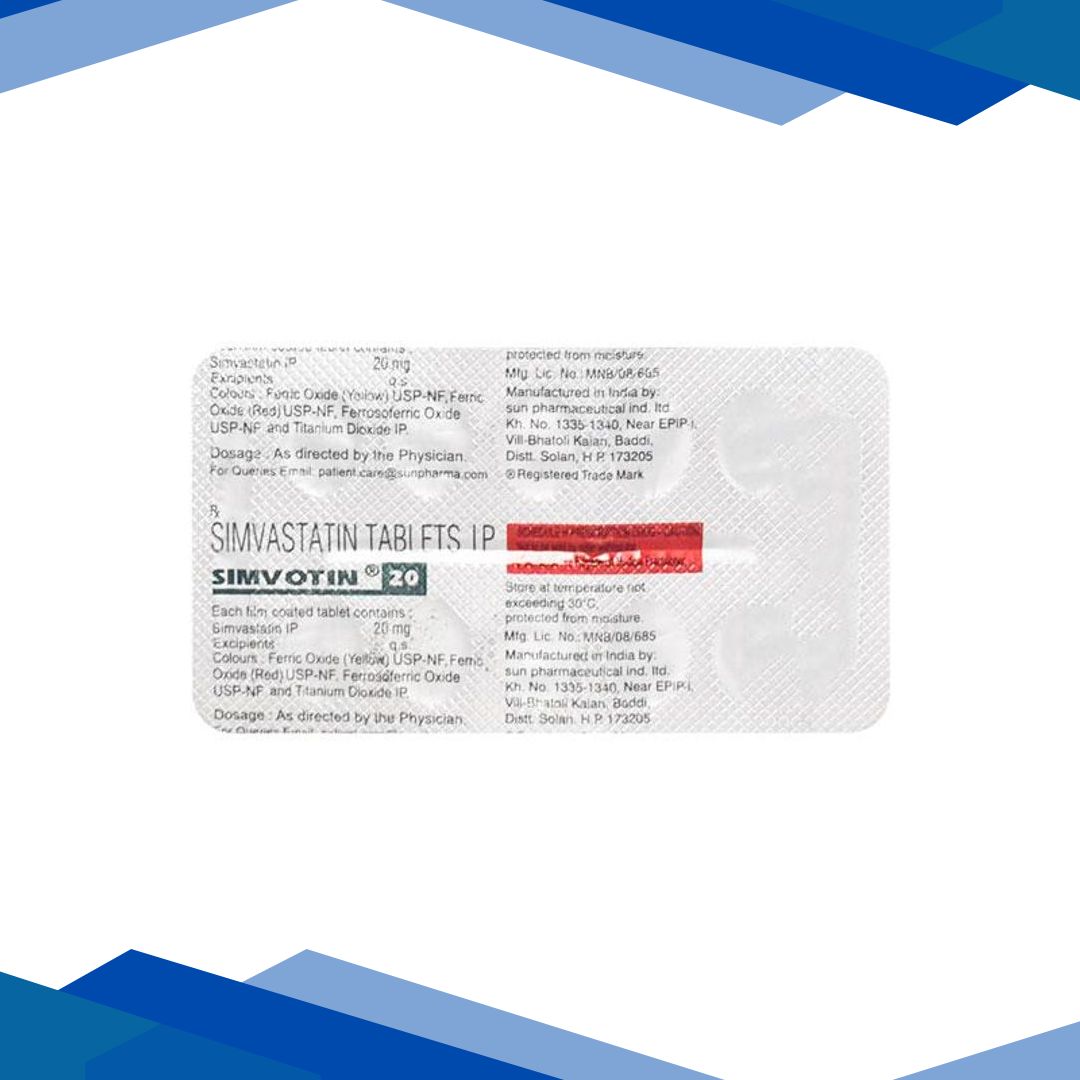



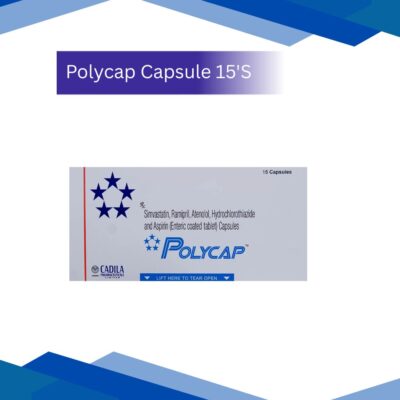
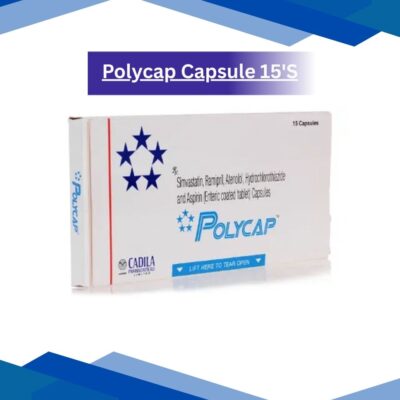
Simvastatin 10 mg / 20 mg / 40 mg Tablet
Simvastatin is an oral lipid-lowering medicine from the statin family (HMG-CoA reductase inhibitors). People commonly use it along with dietary changes, weight management, and regular exercise, to bring down high “bad” cholesterol (LDL) and triglycerides while also lifting “good” cholesterol (HDL). Once it helps clear lipid buildup from the vessel lining, Simvastatin lowers the long-term chance of heart attack, stroke, and other cardiovascular complications.
Therapeutic Class:
Lipid-lowering drugs
Pharmacological Class:
HMG-CoA Reductase Inhibitor (Statin)
Available Strengths:
10 mg, 20 mg, 40 mg
Prescription Required:
Yes (Rx Only)
Key Benefits & Therapeutic Uses
1. Advanced Cholesterol and triglyceride management
Simvastatin is used for primary hypercholesterolemia, mixed dyslipidemia, and homozygous familial hypercholesterolemia, which is an inherited condition with dangerously high cholesterol levels.
2. Cardiovascular risk reduction
It supports prevention of harmful heart outcomes. In people with coronary heart disease (CHD), diabetes, or peripheral vascular disorders, it can reduce the odds of needing myocardial revascularization (stent or bypass procedures) and it also helps lower stroke risk.
3. Stabilization of vascular plaques
Not just a number-changer, Simvastatin supports endothelial function (the inner lining of blood vessels) and helps reduce inflammatory processes right at sites where fatty plaques tend to form, and later rupture.
Mechanism of Action: How it Works
Simvastatin acts as a prodrug. Meaning, it is inactive after ingestion and then gets chemically converted into its working form within the liver.
After activation, it blocks HMG-CoA reductase, a key liver enzyme involved in cholesterol synthesis. When that internal pathway is turned off, the liver needs less circulating LDL, so it pulls more “bad” cholesterol from the bloodstream, helping clear arterial blockages.
Directions for Use & Dosage Profile
When to take: Take one dose daily in the evening, with or without food.
Why the evening: The body’s natural cholesterol-making process tends to peak during overnight fasting, usually around midnight through 5:00 AM. Taking Simvastatin at bedtime helps match the medication concentration to the time the liver is most active.
Administration: Swallow the tablet whole with a glass of water. Do not crush, split, or chew it.
Dosing limits: Typical adult maintenance dosing is 10 mg to 40 mg per day. Higher strength 80 mg is generally restricted because of a higher clinical risk for skeletal muscle injury.
Side Effects & Adverse Reactions
Most people tolerate Simvastatin, however it still needs monitoring due to certain specific risks.
Common Side Effects:
- Headaches
- Mild digestive changes (constipation, upper abdominal pain, flatulence, nausea)
- Cold-like symptoms (stuffy nose, sneezing, sore throat)
Serious Adverse Effects (Stop the medication and call your physician/healthcare provider right away):
- Statin-induced myopathy: unexplained muscle pain, tenderness, cramping, or significant weakness, especially if it comes with fever or unusual exhaustion
- Rhabdomyolysis: a rare but severe muscle breakdown that releases muscle proteins into the blood. Watch for tea-colored or very dark urine, plus a sudden reduction in urination
- Hepatotoxicity: liver inflammation suggested by persistent upper right abdominal pain, yellow skin or eyes (jaundice), dark urine, and severe loss of appetite
Safety Commitments & Drug Interactions
Hazard Profile | Safety Status | Clinical Guidance Note
Grapefruit Juice | ❌ Forbidden
Do not consume grapefruit or its juice. It interferes with the CYP3A4 enzyme, raising drug levels in the blood and multiplying the risk of muscle-related harm.
Pregnancy | ❌ Unsafe
Strictly contraindicated. Cholesterol supports fetal development, so reducing production may lead to serious birth defects.
Breastfeeding | ❌ Unsafe
Not recommended during nursing due to possible effects on the infant’s lipid metabolism.
Alcohol | ⚠️ Caution
Heavy daily drinking should be avoided. Too much alcohol along with statins can strongly increase the risk of chronic liver injury.
Frequently Asked Questions (FAQs)
Q. Why do I take Simvastatin at night instead of in the morning?
The liver enzyme that manufactures cholesterol is most active while you sleep, often between midnight and 5:00 AM. Since Simvastatin has a relatively short half-life, it clears sooner, so the evening dose supports higher drug levels when the body is producing the most cholesterol.
Q. What signs of muscle damage should I look for?
Monitor for unexpected, generalized muscle pain, tenderness, or weakness that is not clearly linked to exercise. If those symptoms come with fever, extreme fatigue, or very dark tea-colored urine, stop the medication and call your doctor immediately, because these can signal muscle breakdown (rhabdomyolysis).
Q. Can I stop Simvastatin once my blood tests show normal cholesterol?
No. Simvastatin helps manage cholesterol production, it does not cure hypercholesterolemia permanently. If you stop abruptly, the liver can return to its prior enzyme activity, and your lipid values often rise back toward baseline within a few weeks, which can raise cardiovascular risk.
Q. Are there common prescription medicines that interact poorly with Simvastatin?
Yes, there are multiple. Certain blood thinners (for example warfarin), specific antibiotics (erythromycin, etc.), and other CYP3A4-interacting drugs can increase the risk of side effects. Always inform your doctor about all medications you are taking.