
Showing the single result
Filter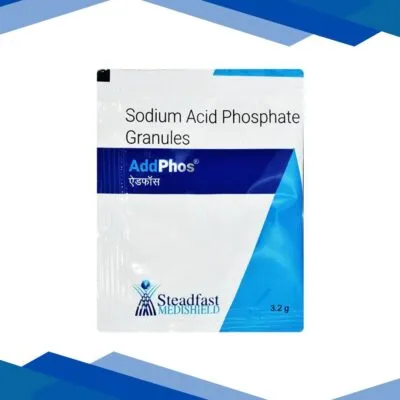
Sodium Acid Phosphate Granules / Oral Solution, View Uses, Side Effects, Price, and Substitutes
Sodium Acid Phosphate is an essential mineral supplement, and also an inorganic salt mixture, used mainly for hypercalcemia, which is abnormally high calcium levels in the blood. It’s also used for hypophosphatemia, meaning low blood phosphorus levels. Doctors like dermatologists, nephrologists, and endocrinologists often rely on this kind of mineral salt for metabolic bone problems, for example vitamin D-resistant rickets. They may also prescribe it to reduce painful calcium-based kidney stones coming back.
How Sodium Acid Phosphate Works
Sodium Acid Phosphate works by balancing electrolyte systems in the gastrointestinal tract and blood plasma. It does a few jobs at the same time, not just one thing:
1) Calcium binding action: when you take it by mouth, the phosphate ions act like chemical binders. They grab onto ionized calcium in the intestines, forming an insoluble compound. The body can not absorb it properly, so the calcium is safely passed out in feces. In the end, it can help lower the blood calcium spikes.
2) Phosphorus replenishment: if your body is low on phosphorus, this medicine acts like a donor of serum phosphate ($PO_4$). That helps bring phosphate levels back toward normal, which matters for ATP cellular energy and bone mineralization.
3) Urinary acidification and stone prevention: the acid-phosphate structure can adjust urinary pH. This increases the solubility of calcium salts within the renal tubules. So calcium is less likely to crystallize and form stones, like calcium oxalate or calcium phosphate.
Primary Uses and Benefits
- Hypercalcemia management: helps correct toxic blood calcium levels, sometimes linked with hyperparathyroidism, or with osteolytic bone malignancies such as multiple myelomatosis.
- Hypophosphatemia treatment: addresses acute or chronic phosphate depletion states.
- Metabolic bone support: helps with vitamin D-resistant rickets or hypophosphatemic osteomalacia, where bones become softer over time.
- Kidney stone prophylaxis: may reduce the formation of calcium-based stones in people who are prone to them, especially chronic stone formers.
Directions for Use and Administration
Administration: Sodium Acid Phosphate is usually sold as water-soluble granules or in oral powder packets. Take it with meals, or right after eating, to support better calcium-binding in the gut.
Preparation: Empty the prescribed packet (or the exact dose) into about 2/3 to one full glass of plain drinking water. Stir until the granules dissolve fully, then drink the full solution right away.
Hydration rule: During therapy, keep fluids high, about 2 to 3 liters of water daily minimum, unless your doctor tells you less. This supports kidneys while they filter and flush mineral compounds.
Crucial interaction warning: do not take antacids at the same time. That means antacids with aluminum hydroxide, calcium carbonate, or magnesium, since they can bind with Sodium Acid Phosphate in the stomach. When that happens, both treatments can become chemically ineffective.
Potential Side Effects
Even when the medication is effective for mineral imbalances, changes in electrolyte levels can cause side effects, sometimes localized, sometimes broader.
Common adverse reactions:
- Gastrointestinal discomfort, such as mild diarrhea, stomach cramping, nausea, or flatulence
- Mild bloating or a heavy stomach feeling
- More frequent urination
Serious adverse events (seek help immediately):
- Acute hypocalcemia (a calcium crash): signs include numbness or tingling near the lips, fingers, or toes, muscle twitching, or painful muscle spasms, often described as tetany
- Fluid retention: sudden swelling in ankles, feet, or lower legs, with sudden weight gain that feels unexpected
- Hypernatremia: high blood sodium causing extreme thirst, dizziness, confusion, or a fast heartbeat
Safety Advice and Medical Precautions
Parameter | Clinical status | Medical care guidance
Kidney disease: ❌ Highly dangerous
Use with extreme caution. If your kidneys are impaired, the risk of phosphate retention increases, which can lead to further kidney injury.
Sodium retaining states: ❌ Contraindicated
Avoid if you have congestive heart failure (CHF), severe hypertension, or pre-eclampsia. The sodium load can trigger fluid volume overload.
Pregnancy / Nursing: ⚠️ Caution advised
Safety is not fully confirmed. Use only with strict, direct instruction from your obstetrician or care team.
Routine lab panels: 📢 Mandatory monitoring
You usually need periodic blood tests checking serum calcium, phosphorus, and sodium. This helps prevent dangerous electrolyte over-corrections.
Frequently Asked Questions (FAQs)
Q1: Is Sodium Acid Phosphate considered a laxative?
Some stronger oral sodium phosphate products can act as hyperosmotic saline laxatives to clear the bowels before a colonoscopy. But lower-dose Sodium Acid Phosphate granules are generally classified as alkali metal phosphate supplements. Their main purpose is metabolic mineral regulation, though mild loose stools can occasionally show up as a secondary digestive effect.
Q2: Why can’t I take calcium supplements with this medication?
If you add calcium at the same time, it can ruin the main purpose of the phosphate. Sodium Acid Phosphate is meant to find, bind, and neutralize excess calcium molecules. Taking calcium supplements, or eating high-calcium dairy right next to your dose, can overwhelm the phosphate ions, making the medication less effective.
Q3: How long after dissolving the granules can I wait before drinking it?
Drink it immediately after stirring. If you leave the dissolved solution sitting for too long, minerals can settle unevenly, the taste may change, and the mixture can react with air. That may affect consistency in dosing.
Q4: What signs suggest my dose might be too high?
Overdosing Sodium Acid Phosphate often shows up as hypocalcemia, a severe drop in blood calcium. If you notice an irregular heartbeat or rapid heartbeat, muscle tremors, severe cramps in your calves or hands, or ongoing “pins and needles” tingling around your mouth, contact your doctor right away or go to an emergency room.
Q5: Can I mix Sodium Acid Phosphate granules with fruit juice instead of water?
The safest approach is plain water only. Some fruit juices contain calcium, vitamin D, or competing minerals that can shift the expected interaction profile of the salt inside your digestive tract.