
Showing the single result
Filter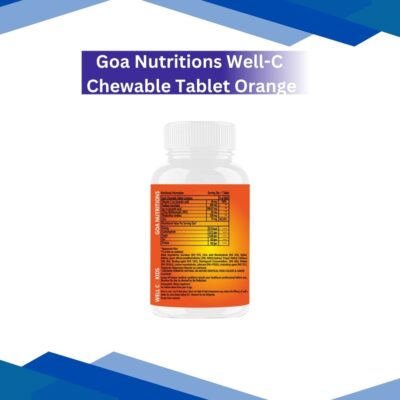
Goa Nutritions Well-C Chewable Tablet Orange
Sodium Ascorbate: Your Mild Vitamin C Supplement
Sodium Ascorbate is a buffered form of Vitamin C (ascorbic acid) that is not acidic. Unlike Ascorbic Acid, which can make the stomach acidic and cause irritation, sodium ascorbate comes with a built-in sodium binding that keeps it pH-neutral—making it suitable for those with sensitive stomachs and prone to hyperacidity.
Product Overview
Nutrient Class: Water-Soluble Vitamin / Antioxidant
Chemical Formula: $C_6H_7NaO_6$
Standard Forms: Tablets, Capsules, Crystalline Powder
Primary Function: High-potency Vitamin C without gastric upset
Why Choose Sodium Ascorbate?
More than 300 metabolic processes of the human body cannot proceed without this essential nutrient. The following are the key benefits of taking it in the form of sodium ascorbate:
Immune System Support: Stimulation for the growth and function of white blood cells (leukocytes), the body’s main defenders against infections and viruses.
Antioxidant Protection: It scavenges free radicals for cell protection, combating oxidative stress so cells can live longer.
Collagen Synthesis: Plays a part in repairing tissues: mend skin, cartilage, tendons, and blood vessels. It improves postsurgical recovery and wound healing.
Enhanced Iron Absorption: On an accompanying downside, with iron supplements; sodium ascorbate improves heme iron absorption (iron from plants).
Recommended Dosage and Usage
General Wellness: Typically, the dose varies from 500mg to 1000mg for adults a day.
How to Take: Should be taken with a meal to enhance absorption. Being a buffered salt, it may be okay for some people to take on an empty stomach.
Hydration: Large doses of Vitamin C require you to drink ample water or support kidney filtration.
Possible Side Effects
While considered very safe and tolerated well, overconsumption risks might be:
Mild Laxative Effect: High dosage might lead to soft stools or diarrhea.
Intake of Sodium: Individuals on a very low-sodium diet should consult their doctors before consuming this form of vitamin.
Occasional Nausea: Although rare, high consumption could lead to nausea.
Critical Precautions
If you ever had calcium oxalate kidney stones, you should ask your healthcare provider to figure out an exact preventive dose appropriate for Sodium Ascorbate.
Diabetes Monitoring: Sometimes high doses of Vitamin C can wrongly affect blood glucose measurements taken using certain monitors.
Interactions with Drugs: Interferes with blood thinners (such as Warfarin) and several chemotherapy drugs. You should inform your prescribing physician of all sorts of supplements taken.
Frequently Asked Questions (FAQs)
Q: Is Sodium Ascorbate truly a better option than Ascorbic Acid?
A: “Better” is determined on how much you are willing to accept gastric disturbances. Both contain the same amount of Vitamin C benefits, but sodium ascorbate is soothing on the stomach lining for individuals suffering from acid reflux or gastritis because it is neutral in its pH.
Q: Can you take so much of it?
A: Of course, then Vitamin C is easily water-soluble, meaning it doesn’t tend to be held off for any number of days in the body. Almost all recommended daily allowances are considered sound.
Q: Does it include sugar?
A: Pure Sodium Ascorbate powder does not contain sugar. However, there could be some sweeteners in the finished and flavored chewable tablets. Fare check on the ingredient label under the title “Other Ingredients.”
Q: Is Sodium Ascorbate safe for children?
A: It is generally safe so long as the dosages are adjusted to the children’s age and weight. Please consult a professional pediatrician for the proper liquid or powder dosage for children.
Q: How should I store sodium Ascorbate powder form?
A: Keep Sodium Ascorbate powder in a cool, dark place. It is photosensitive and can break down in the presence of light, heat, and air, thus losing its potency.