
Showing the single result
Filter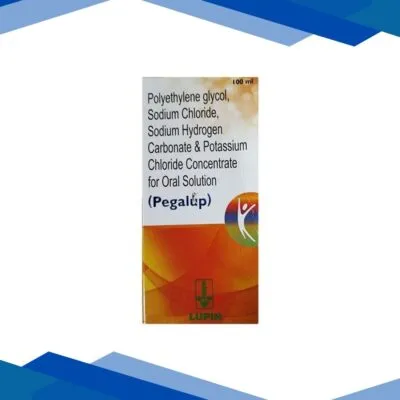
PEGALUP Oral Solution 100ml
Sodium Hydrogen Carbonate (Baking Soda)
Introduction
Sodium Hydrogen Carbonate, usually called bicarbonate of soda, is a useful, naturally occurring salt used in both medical care and daily home healthcare stuff. In clinical settings it can work like an antacid, while also behaving as a systemic alkalizing agent.
If your body has trouble with pH balance, or if you get that uncomfortable feeling from too much stomach acidity, Sodium Hydrogen Carbonate helps by neutralizing hydrochloric acid in the stomach area, and it also boosts the alkalinity of blood and urine. It ends up being an essential option for handling short term digestive discomfort and certain metabolic situations.
Primary Medical Uses
Antacid therapy: gives quick and effective relief for heartburn, acid indigestion, and that sour stomach feeling after food decisions, or stress effects.
Systemic Alkalization: This is used in hospital settings to address serious metabolic acidosis, usually tied to shock, severe diabetes, or kidney failure. The goal is to bring the body pH back into a steadier balance, so the chemistry stops running too acidic.
Urinary Alkalinization: This approach aims to increase the solubility of some compounds in urine. When urine becomes less acidic, it helps reduce the chance of certain kidney stones forming, for instance uric acid stones. It also supports drug elimination for some overdose scenarios, because some medications can leave the body more easily under these conditions.
How It Works
Sodium Hydrogen Carbonate functions mostly through chemical neutralization, in a way that makes acids less aggressive.
In the stomach: it reacts with stomach acid, meaning hydrochloric acid, forming water, carbon dioxide, and sodium chloride. As a result the gastric pH rises fairly quickly, which can lessen the acidity that leads to the burning reflux feeling, and the discomfort.
In the Systemic Circulation: once it is absorbed into the bloodstream, bicarbonate ions do their job as a chemical buffer. They aid the body in keeping its delicate acid-base balance, so most physiological processes stay on track even when metabolic stress is going on, in a more strained state than usual.
Quick Reference: Usage and Administration
Dosage control: Always dissolve the powder or the tablet in a full glass of water, at least 200–250 mL before consuming. Drinking it straight as a powder directly is not advised.
Timing: For antacid relief, take it after meals, when the symptoms show up. Do not exceed the recommended daily limit, because chronic overuse can lead to sodium accumulation in your body.
The “Full Stomach” rule: Avoid taking this medication right after a very heavy meal, since carbon dioxide gas release might trigger noticeable bloating, belching, or in rare cases gastric rupture.
Safety Warnings and Side Effects
Although many people treat it as safe for occasional use, Sodium Hydrogen Carbonate is still a potent chemical substance, it needs respect and careful handling.
Common adverse effects:
More burping than usual and extra gas
Stomach cramps, or abdominal swelling and bloating
Greater thirst
Indicators of Overuse (get medical help):
Clinical note: taking too much Sodium Hydrogen Carbonate can bring on systemic alkalosis, where your body’s pH shifts too far toward alkaline. Get professional care if you notice:
Persistent muscle twitching or spasms
Marked irritability, or confusion that does not fade
Swelling in the feet or ankles, this can happen because of high sodium exposure
Slow, weak, or shallow breathing
Expert Guidance and Precautions
Sodium warning: Sodium Hydrogen Carbonate contains a meaningful sodium load. If you have high blood pressure, heart failure, or chronic kidney disease, check with your clinician first before using it as an antacid. In some situations it can promote fluid retention and raise your blood pressure in a risky way.
Drug Interactions: Since this medication changes the acidity in your stomach, it can also shift the way your body soaks up other essential medicines. In general, wait at least 2 hours between taking Sodium Hydrogen Carbonate and any other prescription drug.
Do Not Use Long-Term: This product is meant only for short-term, symptom-focused relief. If your heartburn or acid reflux continues past two weeks, it is wise to consult a physician to look into possible causes, like GERD or peptic ulcer disease.
Frequently Asked Questions (FAQs)
Q. Can I use this to treat a UTI?
It may temporarily calm the burning sensation that comes from acidic urine, but Sodium Hydrogen Carbonate does not remove the real cause—the bacterial infection behind a Urinary Tract Infection (UTI). It is not a replacement for antibiotics. If you suspect a UTI, talk to a doctor for proper testing.
Q. Is it safe to take this during pregnancy?
Occasional use for heartburn is usually seen as acceptable, but you should check with your OB-GYN first. Pregnant women are more prone to fluid buildup, and this product’s high sodium level can make blood pressure management harder during pregnancy.
Q. How does this differ from commercial antacids like Tums?
A lot of commercial antacids rely on calcium carbonate or magnesium hydroxide. Sodium Hydrogen Carbonate is different, because it dissolves readily and works quickly. At the same time it adds a notable “sodium load”. If you are following a salt-restricted meal plan, other indigestion remedies are often the safer choice, just to be cautious.
Q. Can I give this to children?
You should not give Sodium Hydrogen Carbonate to children for digestive problems unless a pediatrician gives direct approval. It is easy to accidentally exceed a safe amount for a child’s smaller body mass, and that can trigger fast electrolyte imbalance.
Q. Why does it make me belch?
The chemical reaction between the bicarbonate and your stomach acid produces carbon dioxide gas as a byproduct, which sounds harmless but is pretty normal and expected. Still, that same process is also why you can end up with quite a bit of gas and bloating if you take it too often or in larger amounts repeatedly.