
Showing 1–20 of 33 resultsSorted by popularity
Filter
SENSODENT KF FOAMING Dental Gel 75gm

SENSODENT R Dental Gel 100gm
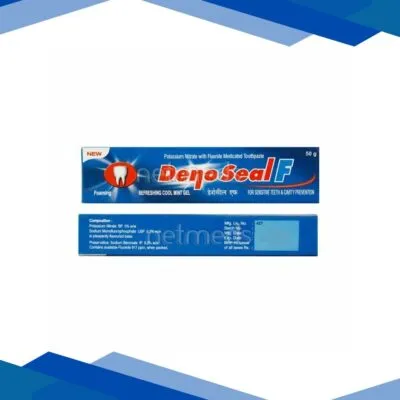
Denoseal F New Refreshing Cool Mint ToothPaste 50gm
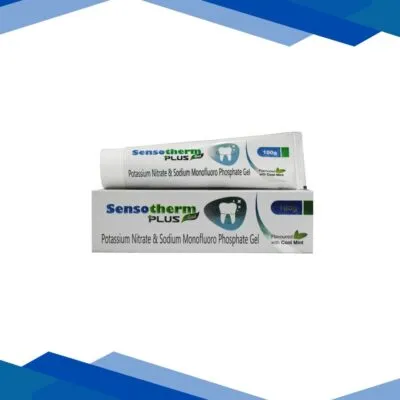
SENSOTHERM PLUS COOL MINT FLAVOURED Gel 100gm
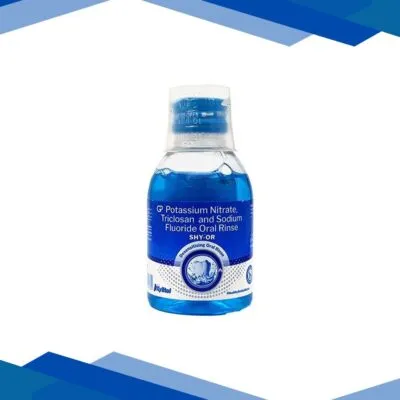
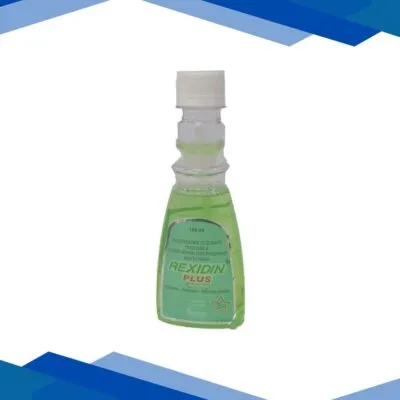
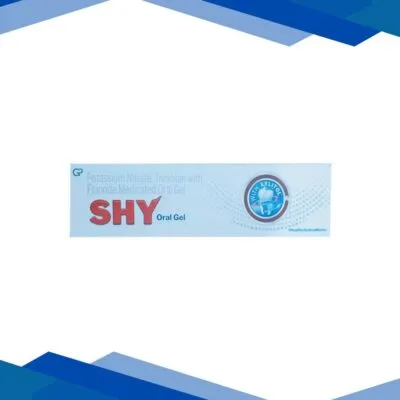

PEDIFLOR KIDZ NATURAL ORANGE Tooth Paste 70gm
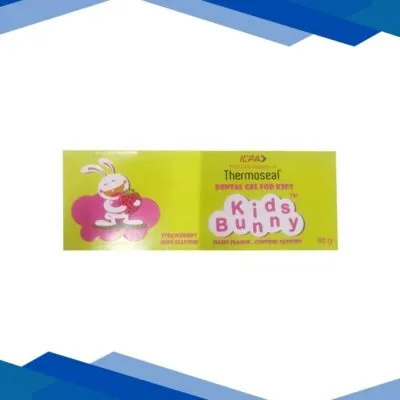
Kids Bunny Strawberry Mint Flavour Dental Gel 80gm
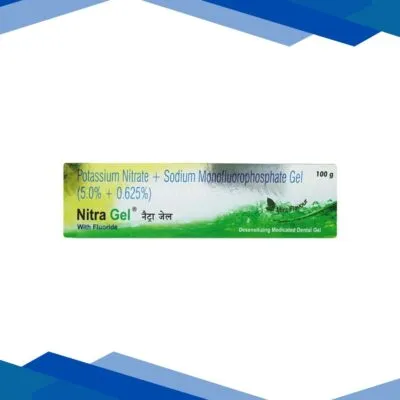
Nitra Mint Flavour Gel 100gm
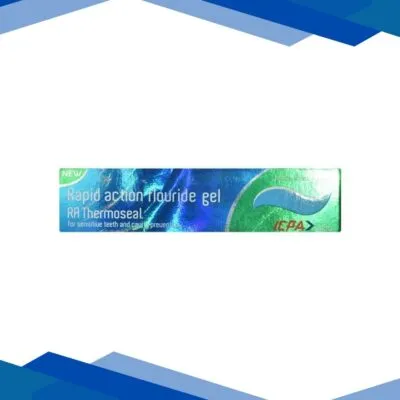
RA Thermoseal New Rapid Action Fresh Mint Flavour Gel 100gm

SENSODENT KF FOAMING Dental Gel 125gm
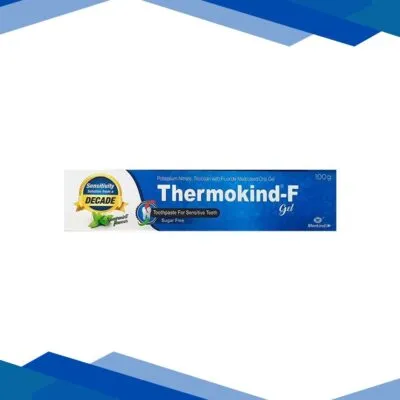
Thermokind F Spearmint Flavour Sugar Free Gel 100gm
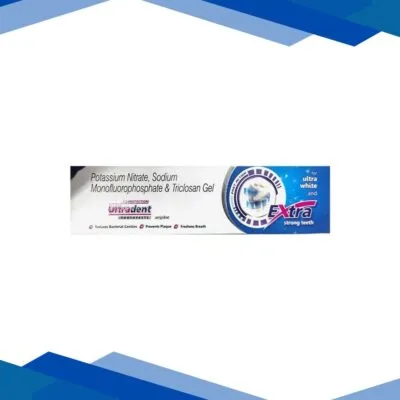
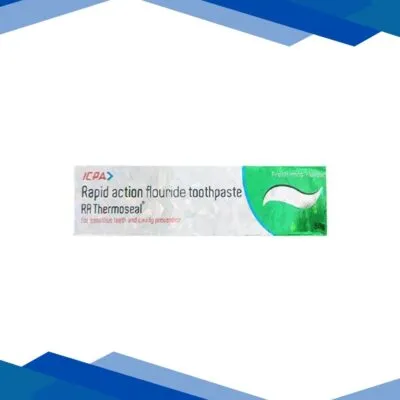
RA Thermoseal Rapid Action Fresh Mint Tooth Paste 50gm
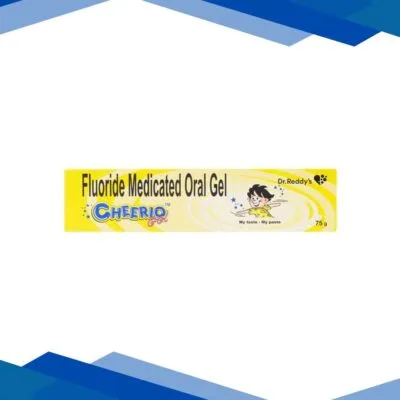

Nitra Mint Flavour Gel 50gm
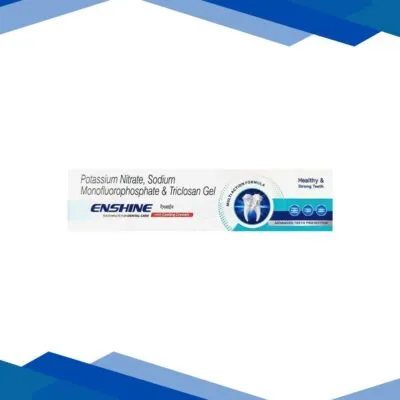

RA Thermoseal Rapid Action Fresh Mint Tooth Paste 100gm
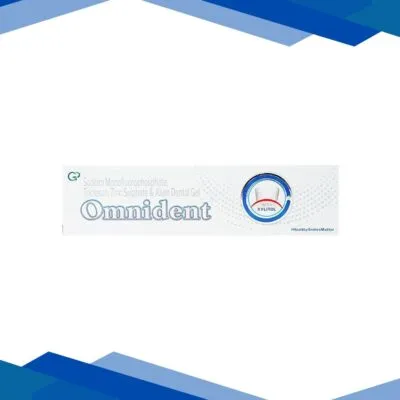
Usage of Sodium Monofluorophosphate
Sodium Monofluorophosphate (SMFP) is a unique dental prophylactic that is applied for caries prevention and management. SMFP, in contrast with normal fluoride, is a complex salt from which fluoride ions are discharged slowly over a lengthy period, aiding in remineralization of tooth enamel. This is established as a basic chemical constituent of pharmaceutical-grade toothpaste and oral gels as to efficiency so that it relieves dentin hypersensitivity from acid attack resulting through plaque bacteria.
Therapeutic Application
Enamel Remineralization—Denoting supplying lost minerals for the construction of the teeth structure, they make their surfaces harder and more resistant to decay.
Caries Prevention—In the inhibition of the demineralization of dental enamel by dietary acids and bacteria.
Sensitivity Relief—Provides relief from the sharp pain that arises from cold or heat stimuli by sealing the exposed dentinal tubules.
Plaque Control—Inhibits the metabolism of plaque-forming bacteria so that acid formation is reduced in the oral cavity.
Mechanism of Action
Sodium Monofluorophosphate hydrates gradually in the Firstly, its hydrolysis will occur at the presence of salivary enzymes (phosphatases), to release non-difluorophosphate ions that:
Incorporate into Enamel: Convert hydroxyapatite in teeth into the much tougher fluorapatite.
Acid Resistance: Fluorapatite is much more resistant to the low pH levels that usually result in cavitation.
Product Configuration
Active Form: Fluoride salt.$Na_2PFO_3$.
Common Strength: Often in concentrations ranging from $0.7%$ to $1.1%, as found in dental formulations.
Safety Profile: It is non-staining and is in general well-tolerated at the recommended dosage.
For Use
Place a “pea-sized” amount of the drug paste on a soft-bristled toothbrush. Then:
Immediately, spell it all out. Make sure the brushing takes at least 2 minutes, reaches all extents of the teeth, and so on.
At last: Dispense out of the mouth foam. Do not rinse straight away, so that the fluoride ions remain in touch with the enamel for the longest time.
Possibilities: Use twice a day—or as advised by the practitioner.
Prevention and Safety Directions
Supervision! Especially for kids younger than six years, a minuscule amount should be used under strict supervision to reduce ingestion in abundance.
Fluorosis! Excessive exposure to fluoride products during the years of tooth development may result in dental fluorosis, mottling of the teeth.
Storage: Whenever not in use, keep the tube well capped. Keep in a cooler place and away from the heat.
Frequently Asked Questions (FAQs)
Q: Could it be said that Sodium Monofluorophosphate and Sodium Fluoride are one and the same?
The two of them both provide fluoride; however, they are different in the way of ion release. Sodium Fluoride releases ions suddenly upon the action of water/saliva, whereas Sodium Monofluorophosphate releases them gradually under the action of enzymes within the mouth, and both are highly effective against tooth decay.
Q: Why is it cited that not to rinse after the paste?
Rinsing the mouth with water immediately after brushing down the contents of fluoride: After all, the latter is for enhancing the endurance of the enamel. It is, therefore, better prescribed to spit out the remaining paste and to let the residuals stay on tooth surfaces.
Q: Does this product cure incisor back tooth?
It helps in mineralizing “incipient” cavities, i.e. right within enamel (white spots) region. They cannot cure cavity (“hole”) formation. For such cases, a professional dental filling is necessary.
Q: If accidentally the material is swallowed, is it safe?
An adult who swallows very little, inadvertently, won’t need much of the medical treatment. But if more of the paste or liquid is taken (particularly by children), handling in emergencies, or contacting Poison Control should save the day.
Q: Does this product cause teeth staining?
No, unlike the actions of different dental agents like Stannous Fluoride, SMFP never causes staining on the surface of teeth.