
Showing the single result
Filter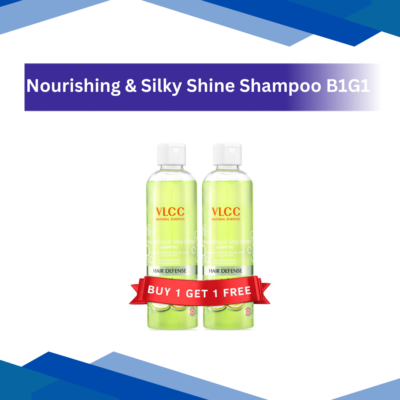
Nourishing & Silky Shine Shampoo B1G1
Soy Protein: High-Quality Plant-Based Nutrition & Metabolic Support
To match the professional experience found for pharmacists on 1mg or Netmeds, the content for Soy Protein cannot concentrate on “Vegetable Nutrition” but must focus on its role as a complete plant protein and the specific concentration of Isoflavones. The style reflects technical depth and curated precision, avoiding generic “health food” narratives.
Soy Protein is a high-purity protein isolated from soybean meal that has been dehulled and defatted. It stands out in the plant kingdom due to its complete amino acid profile, containing all nine essential amino acids required by the human body.
In clinical nutrition, Soy Protein is recognized for its PDCAAS score of 1.0, comparable to whey protein and superior to casein. Beyond basic nutrition, it provides bioactive compounds like Isoflavones (genistein, daidzein), which are studied for their role in cardiovascular health and hormonal balance.
Prescriptive Application & Nutritional Picture
Cardiovascular Health: Clinical evidence suggests that consuming 25g of soy protein daily as part of a low saturated fat diet may reduce LDL (Low-Density Lipoprotein) cholesterol, lowering heart disease risk.
Lean Muscle Maintenance: Provides a sustained release of amino acids, supporting muscle protein synthesis in athletes and preventing sarcopenia in the elderly.
Hormonal Modulation: Contains phytoestrogens that may act as selective estrogen receptor modulators, potentially helping manage menopausal symptoms such as hot flashes.
Bone Density Support: Isoflavones may help reduce bone resorption and support mineral density, especially in postmenopausal women.
Glycemic Control: With a low glycemic index and high satiety value, it is beneficial for Type II Diabetes management and weight control.
Pharmacy Insight: Soy Isolate vs. Soy Concentrate
Feature
Soy Protein Isolate (SPI) – ≥90% protein purity, negligible fiber, highly digestible, completely lactose-free, ideal for medical nutrition and infant formulations
Soy Protein Concentrate (SPC) – 65–70% protein, contains dietary fiber, moderate digestibility (may cause bloating), lactose-free, suitable for general nutrition and food applications
Directions for Use & Dosage
Daily Dose Recommendation: Typically 25–30g per day, consumed post-workout or added to meals to enhance protein intake.
Preparation Method: Due to its high solubility, mix gradually into liquids (water, plant milk, or juice) rather than adding liquid directly onto the powder for better dispersion.
Frequently Asked Questions (FAQs)
1. Does Soy Protein affect testosterone levels in men?
Clinical meta-analyses show no significant impact on testosterone or estrogen levels. Soy phytoestrogens are much weaker than human estrogen and do not disrupt hormonal balance at normal intake levels.
2. Is Soy Protein better than Whey?
It is an excellent alternative for lactose-intolerant individuals, vegans, or those with dairy allergies. Like whey, it provides a complete amino acid profile and is rich in arginine and glutamine.
3. Can Soy Protein be used during pregnancy?
Generally safe when consumed as part of a balanced diet, but due to concentrated isoflavones, medical consultation is recommended before supplementation.
4. Is Soy Protein GMO-free?
High-quality pharmaceutical-grade soy protein is typically sourced from non-GMO crops. Always verify product certifications.
5. Can Soy Protein support weight loss?
Yes, it promotes satiety, helping reduce overall calorie intake while preserving lean muscle mass during weight loss.