
Showing all 9 resultsSorted by popularity
Filter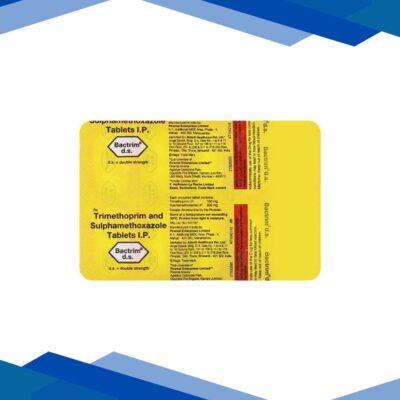
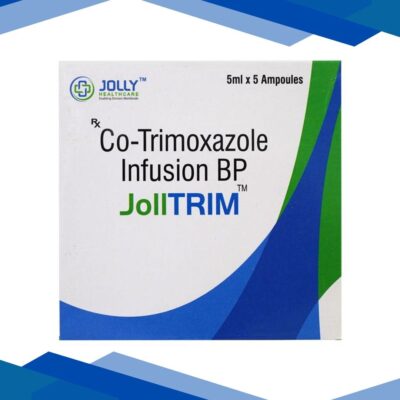
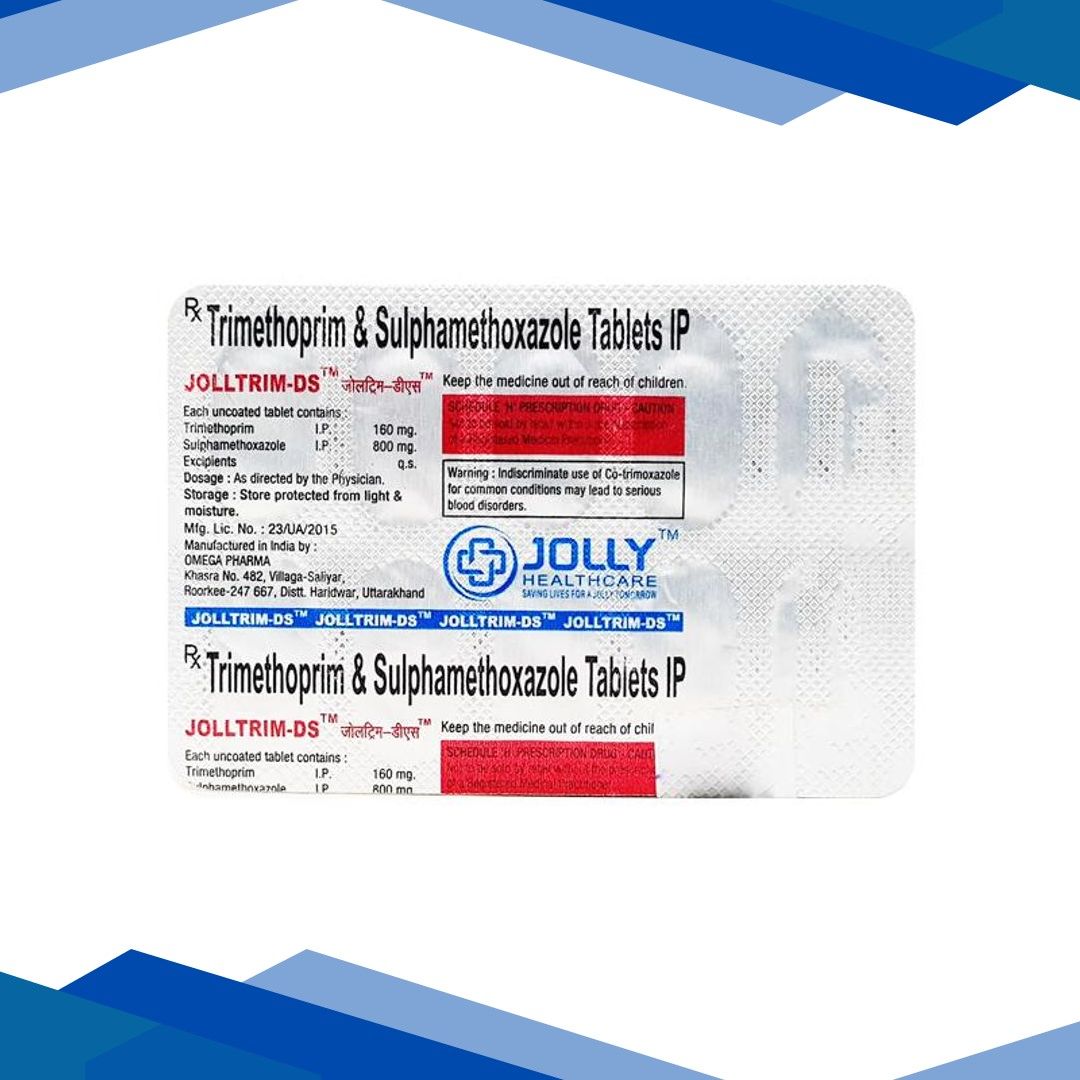

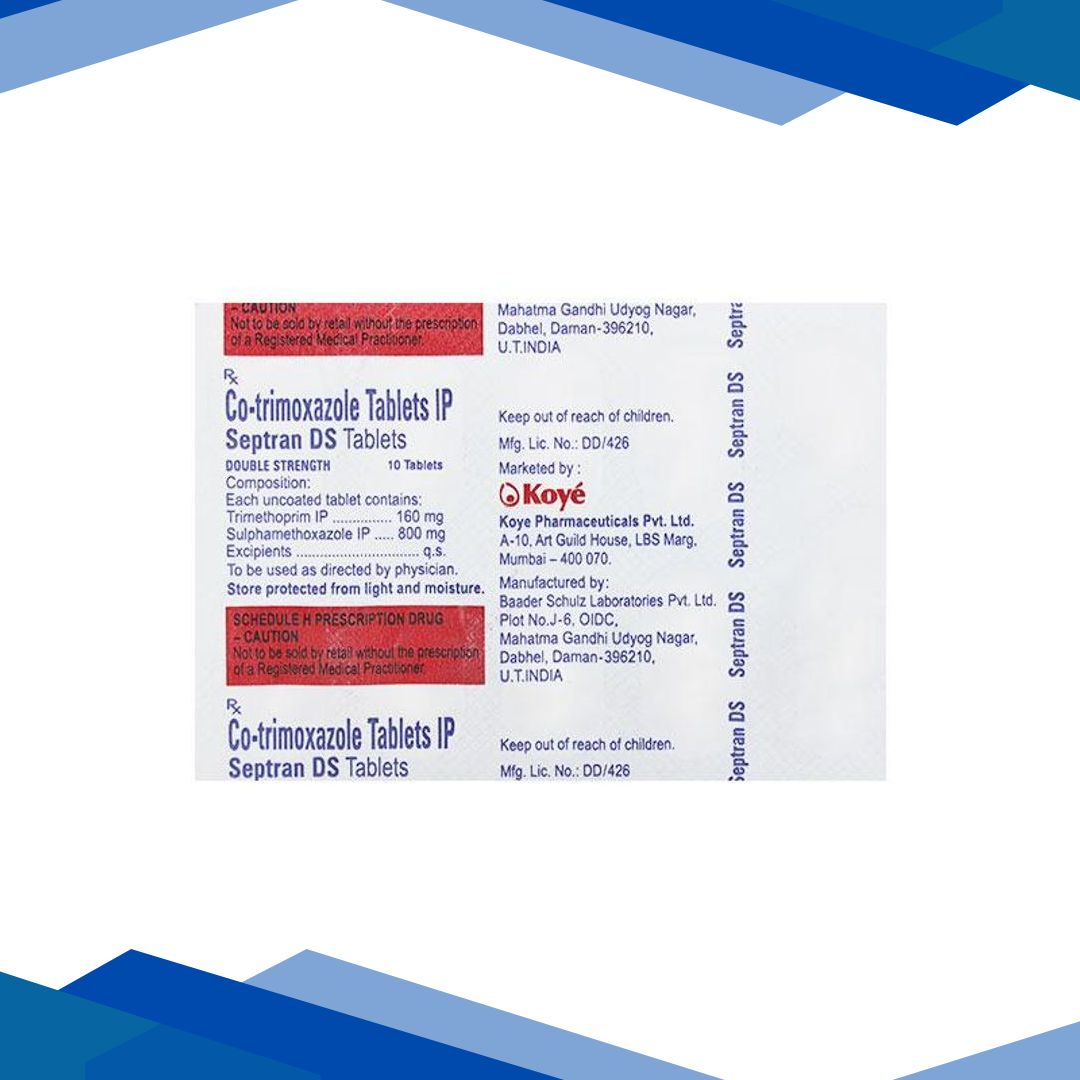
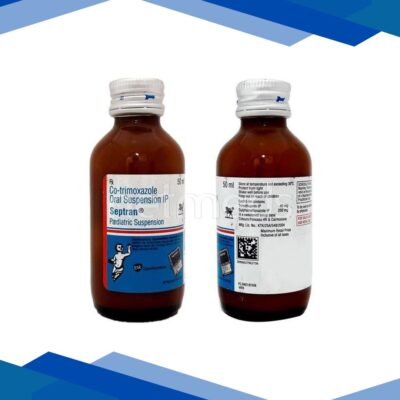

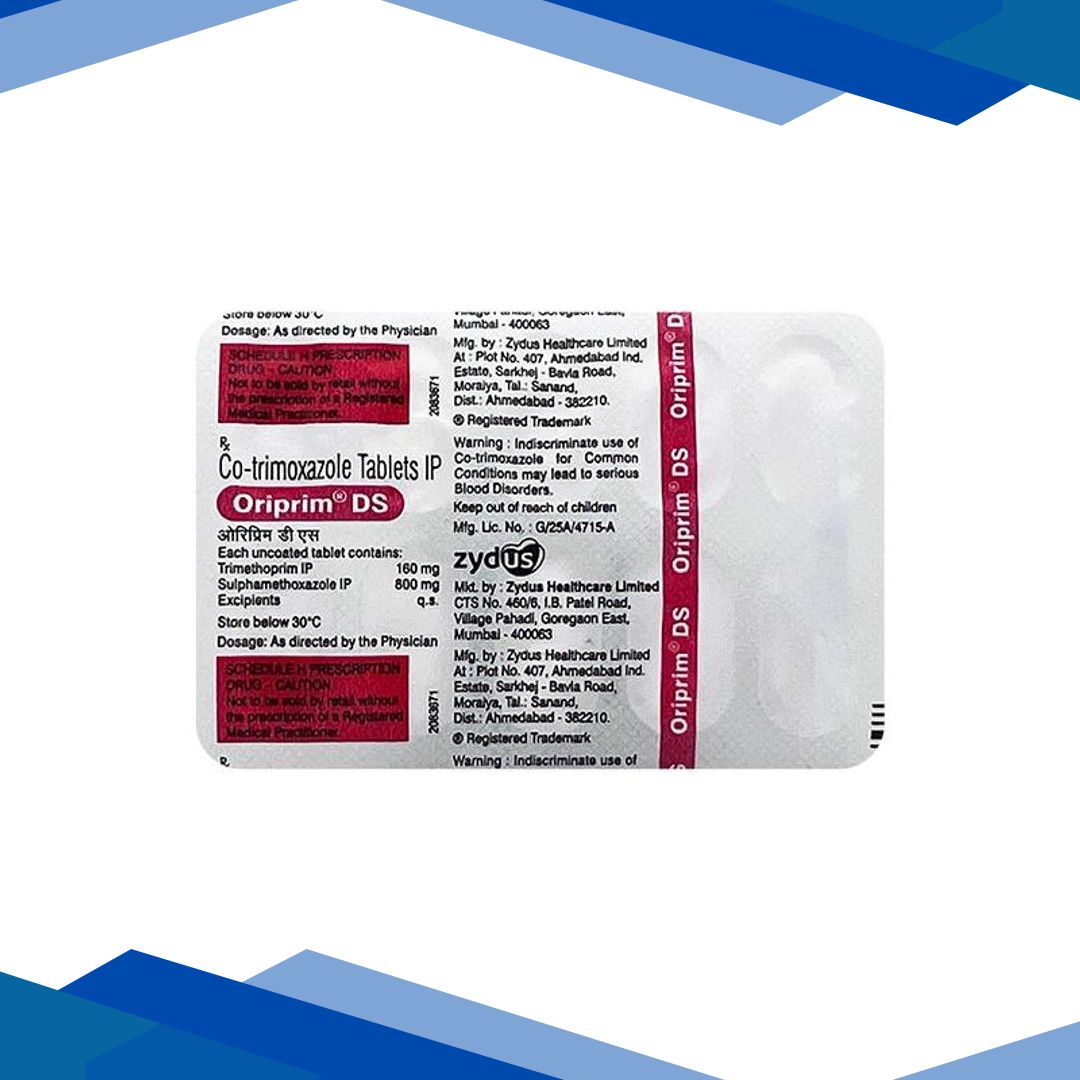
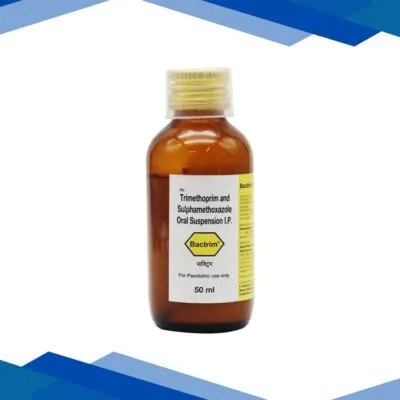
Sulfamethoxazole: Targeted Antibiotic for Diverse Bacterial Infections
Sulfamethoxazole, a well-established sulpha sulfonamide drug deployed in a wide range of bacterial concerns for treatment, is often given by itself; it is more often given with a partner in Trimethoprim to elicit a synergistic effect that makes it of high efficacy against antibiotic-resistant strains of bacteria. It works by inhibiting the formation of dihydrofolic acid, which is an important building block for bacteria to spread and grow.
+1
Core Therapeutic Utility
Sulfamethoxazole is mainly used in:
Urinary Tract Infections (UTIs), where it is very effective in treating common bladder and kidney infections.
Respiratory ailments, where it is useful in treating bacterial exacerbations of chronic bronchitis as well as certain kinds of pneumonia.
Ear infections, where it is often used in pediatric as well as adult cases of Otitis Media (middle ear infections).
Infections specific to the GI tract, where it also offers relief to the likes of traveler’s diarrhea and bacillary dysentery (shigellosis).
Special Prophylaxis: Prevent designed to prevent certain opportunistic infections in immunocompromised patients.
How Best Results Can Be Obtained
Hydration is Essential: To protect your kidneys, make sure you maintain constant urine flow. It also becomes highly important to prevent a gentle from constituting a limp of sorts; therefore, drink more water than usual (like about 8 glasses) because this lowers chances for those crystals to form and collect in urinary output.
Timing: Timing will help some people to maximize drug absorption because when the drug is taken at the same time every day, absorption will be maximized. Take the medication with food to lessen chances of stomach upset although with food or without food.
+1(version)
Keep It Going: Despite the fact that you may think the symptoms are gone and you will be OK if you stop, never stop the medication until you have taken the full course of medication. Bacteria are capable of rapid growth through the uncited group of symptom conclusions, causing antibiotic resistance.
Safety & Cautions
Who Should Refrain from Taking It?
An Allergy to Sulfonamides: Immediately report any sensitive reactions such as one to sulfa drugs, diuretics, and certain prescribes for diabetes to your healthcare provider.
G6PD Deficiency: Patients having this genetic enzyme abnormality should be very cautious as it may break down red blood cells.
Pregnancy & Nursing: It is not generally recommended during the first trimester, in late pregnancy, or for infants less than 2 months of age.
Common Side Effects:
Mild feelings of sickness or loss of appetite
Sensitivity to sunlight (lots of sunburn risk)
Giddiness or tiredness
Skin rash (temporary)
Frequently Asked Questions
Q: Is Sulfamethoxazole a form of steroid?
A: No. Sulfamethoxazole is a type of sulfonamide antibiotic. It does not contain steroids and is exclusively used for treating bacterial infections; viruses (like a cold) are not its target.
+1
Q: What should I do if I get a skin rash?
A: Contact your healthcare provider immediately. While most rashes associated with sulfa medications are mild, serious skin reactions can sometimes develop. Discontinue use and seek advice if the rash is accompanied by a fever or blisters.
Q: Can I drink alcohol while on the drug?
A: That’s a very important point since the effects of alcohol combined with sulfamethoxazole and trimethoprim are drastic—almost like an unpleasant reaction caused by disulfiram state with nausea, vomiting, tachycardia, and flushing.
Q: Why do I need to stay out of the sun?
A: The combination can sensitize your skin to sunlight, significantly multiply the ill effects of UV rays, and make it far easier to get sunburned. Your doctor might suggest that you beforehand wear protective clothing to reduce sun exposure on your exposed joints and a high-SPF (at least 15 in certain states) sunscreen while outside, especially if any areas need to be exposed.
Q: Can I take this for a yeast infection?
A: No! This is an antibacterial medicine. It does not work against fungal infections or yeast infections. In fact, like any other antibiotic, it can sometimes induce a new or secondary yeast infection because it affects the body’s normal flora.
Storage:
They must be protected from dampness, heat, direct sunlight, and condensation. Keep the bottle tightly closed in a safe place, out of children’s sight.
Disclaimer:
Surely you have discussed with a genuine practitioner before starting any antibiotic treatment, this guide purveys only information.