
Showing all 7 resultsSorted by popularity
Filter
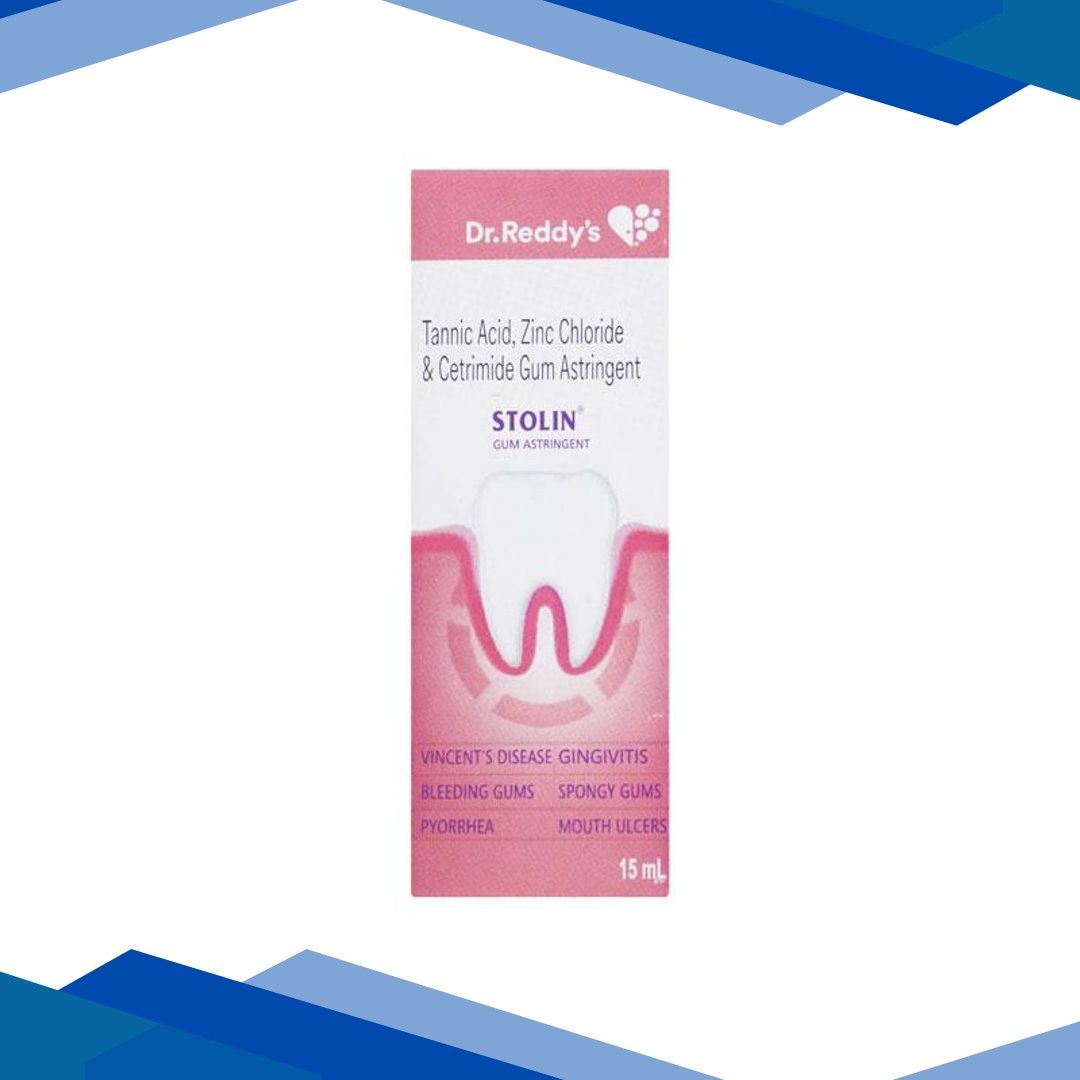
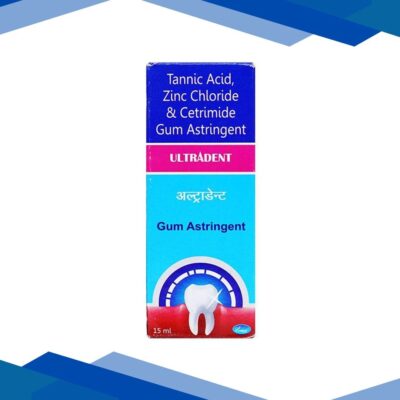
Stolin Gum Astringent Liquid 15ml
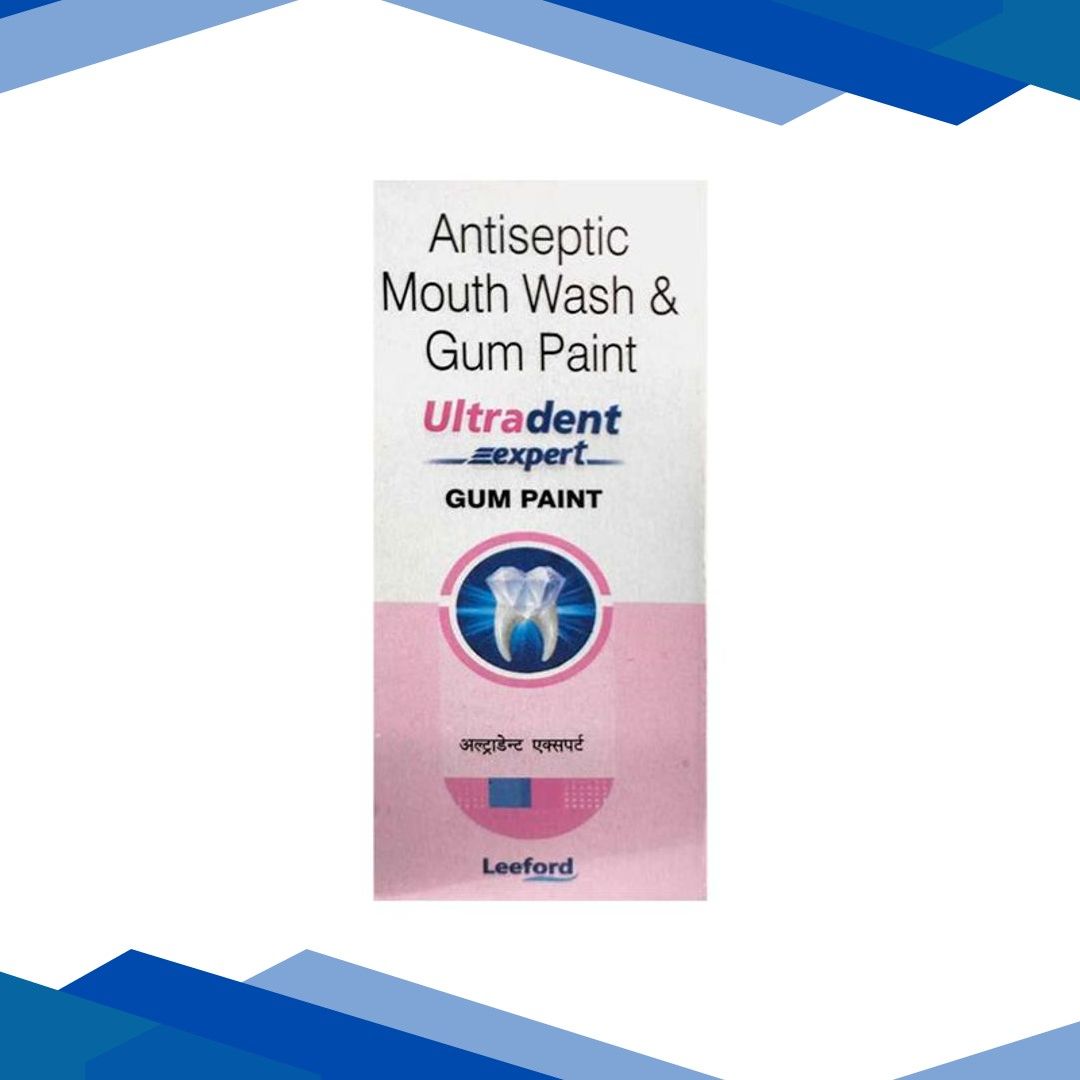
ULTRADENT EXPERT Gum Paint 15ml
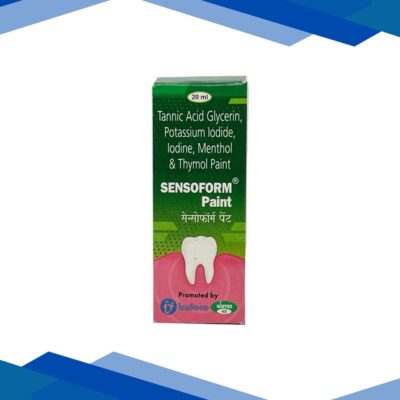
Sensoform Paint Liquid 20ml
Tannic Acid (Astringent & Topical Hemostatic)
Tannic acid is a naturally occurring polyphenol usually extracted from nutgalls or the barks of certain trees/plants. In medical and clinical practice, it is used mainly as an effective astringent and hemostatic. It achieves its effects because of its power to precipitate proteins; thus forming a protective barrier on tissue surfaces resulting in constriction of blood vessels, reduced inflammation, and faster healing of minor mucosal or skin irritations.
Therapeutic Applications
Oral Care: Particularly efficacious for treating mouth sores, cold sores and “fever blisters”, and bleeding or spongy gums
Wound Dryer: Used for minor skin irritations, as well as the drying-out of weeping wounds and hot spots.
Minor Bleeding: Used as a local hemostatic agent to stop small bleeds from nicks, cuts, or dental procedures.
Burns: Occasionally used in advanced dressings to aid in precipitation of proteins, forming a positive, protective tannate layer on minor burns.
Key Features
RapidOnset: Quickly constrict tissues to offer immediate relief to irritation.
Protein Interconnection: It provides a physical barrier to safeguard the delicate nerve endings from certain common extraneous irritants.
Single: It’s an all-in-one formula derived from plant sources, which is the right choice for formulations for minor dermatoses and dental operations.
Directions
Glycerin Tannicum: The liquid should be lightly applied to the gum with a cotton swab following 15 minutes of light rinsing.
Local Powder/Solution: Use directly on the wound or affected site for 1–2 hours under a dry, sterile dressing or wrap.
Dose: One may use tannic acid at a frequency prescribed by their physician or dentist, usually 2–3 times a day.
Safety Concerns and Warnings
Staining Risk: Tannic acid is a dark inky pigment and may turn the skin, teeth, or clothes brownish for a short period.
Internal Use: Small quantities may be swallowed, but the solution is intended for topical or local application only.
Tannic acid darkens due to oxidation upon exposure to air and light. Some slight darkening is absolutely okay, while if it is quite dark with a bad smell, best to change it.
The tannins in tea are a type of tannic acid, and this is the reason why an old tea bag is often used to apply tannic acid directly to stop the bleeding after the extraction of the tooth.
Frequently Asked Questions (FAQs)
Q: Can I apply it to a deep burn?
No. Modern evidence-based medical practice advocates the use of tannic acid only for minor and superficial burns. Deep or extensive burns require high-quality medical care to minimize scarring and potential infection.
Q: How do I store tannic acid products?
Keep it in a well-closed container that can exclude light and is located in a cool, dry area. It is especially important not to let the material come into contact with any metal object, especially iron, as it can cause a reduction in the solution and it will become black.