
Showing all 11 resultsSorted by popularity
Filter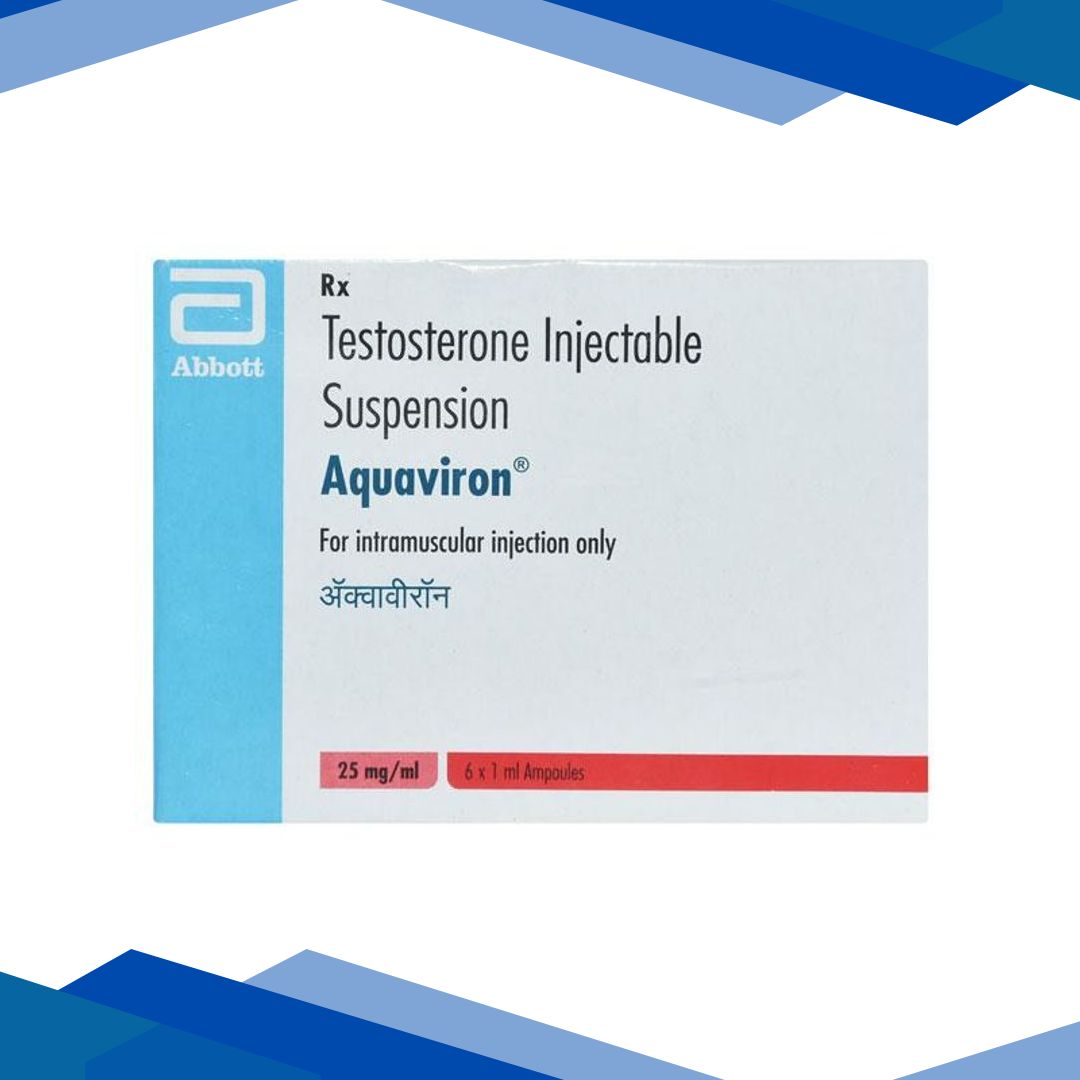
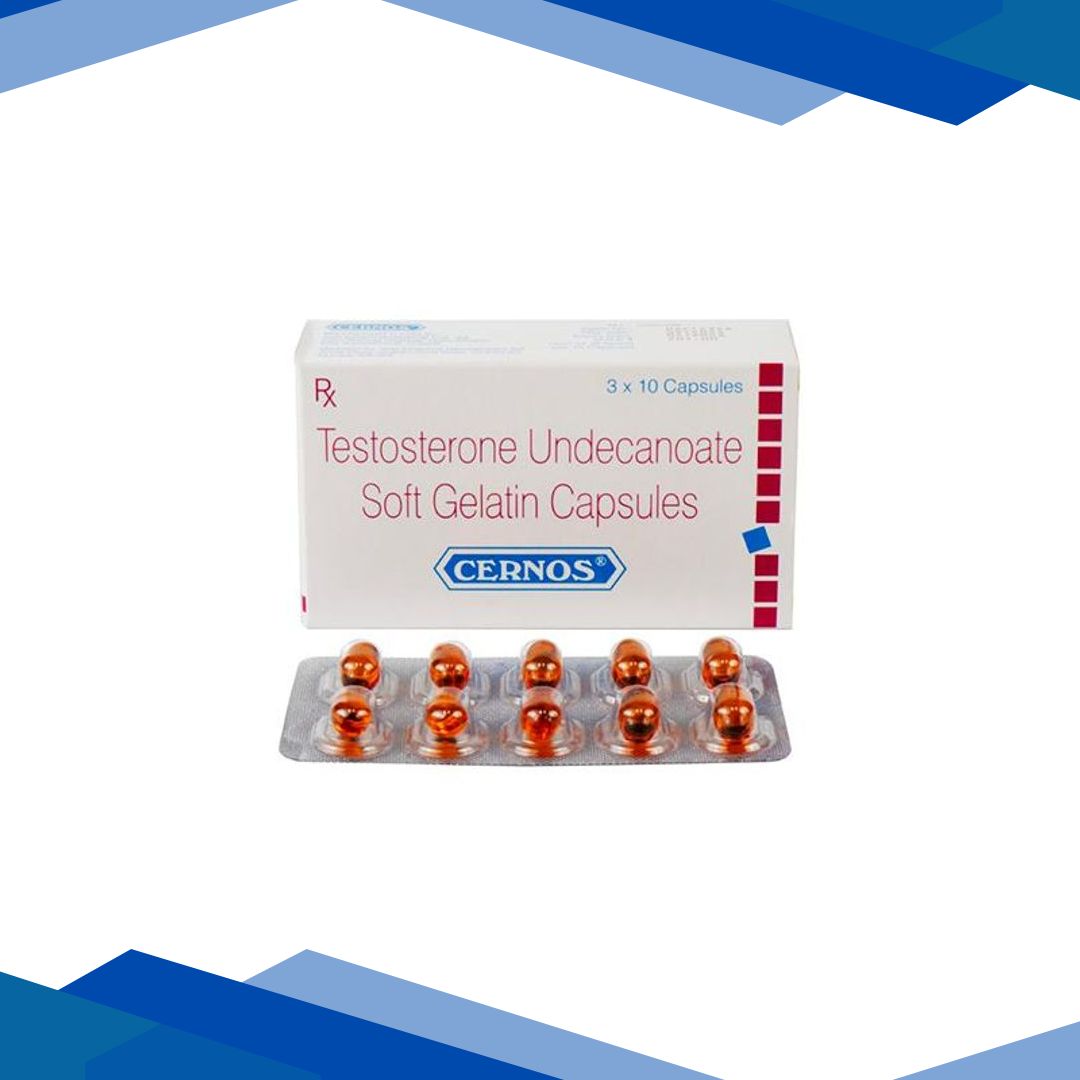
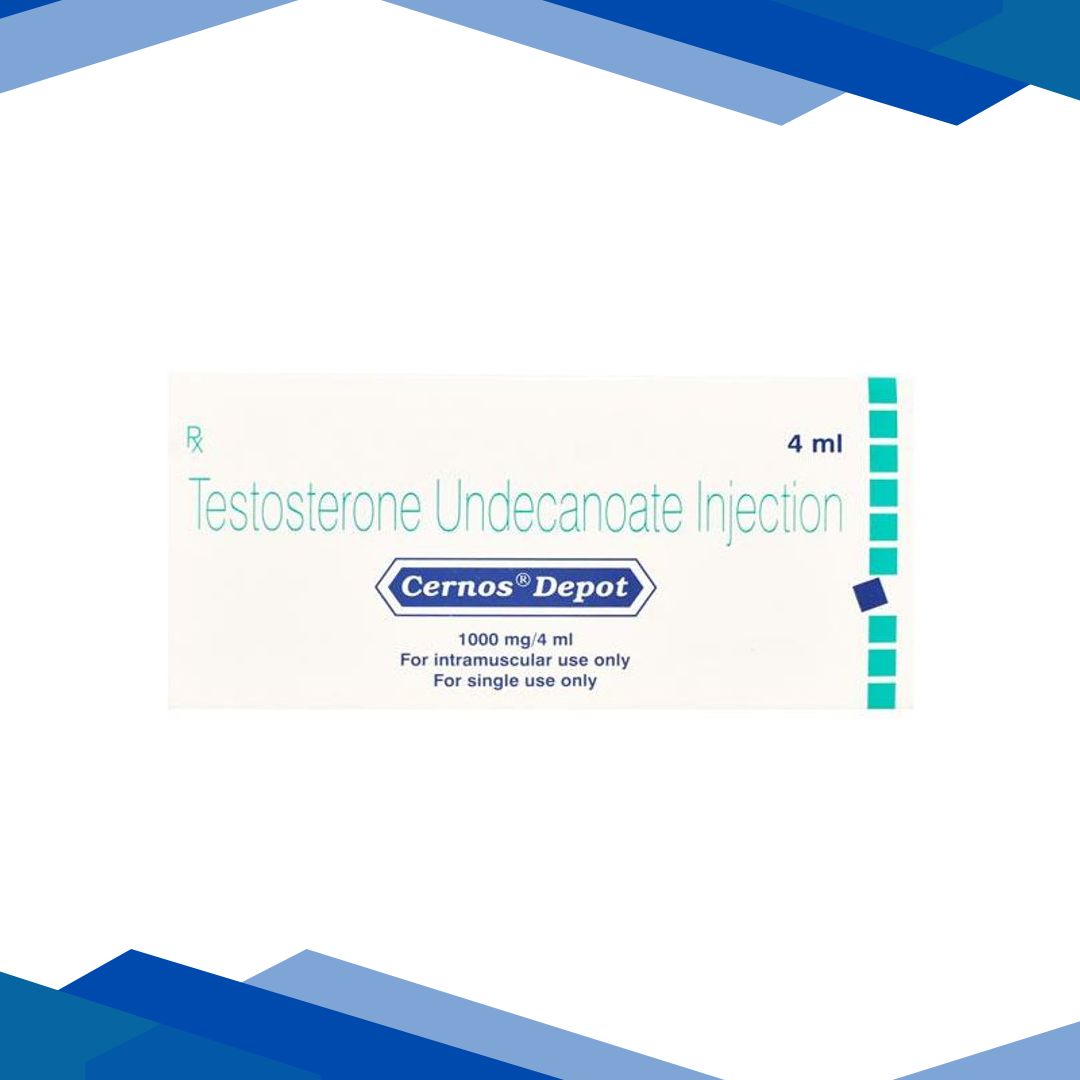
Cernos 1000mg Injection(Depot) 4ml
Sustanon 250mg Injection 1ml
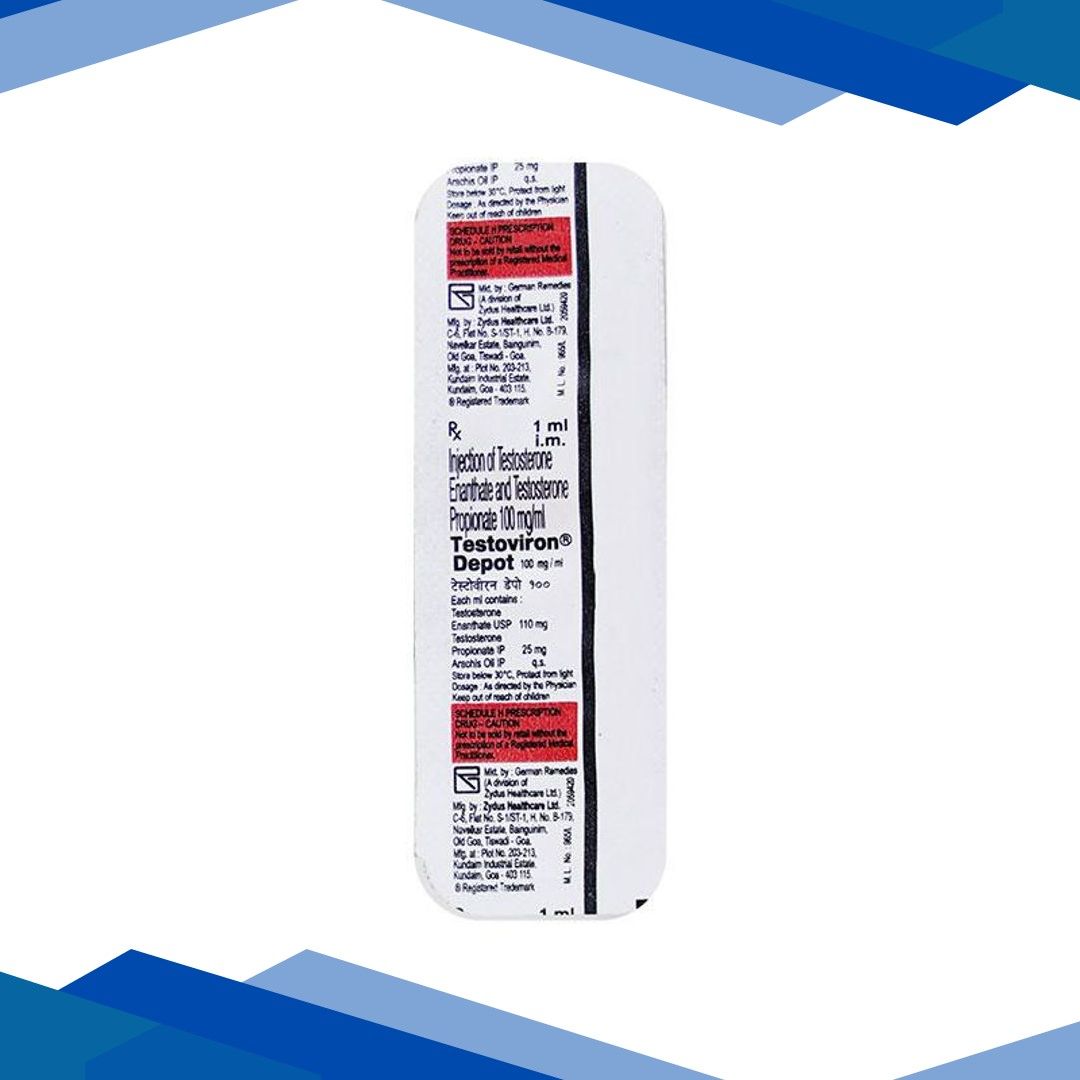
Testoviron Depot 100 Injection 1ml
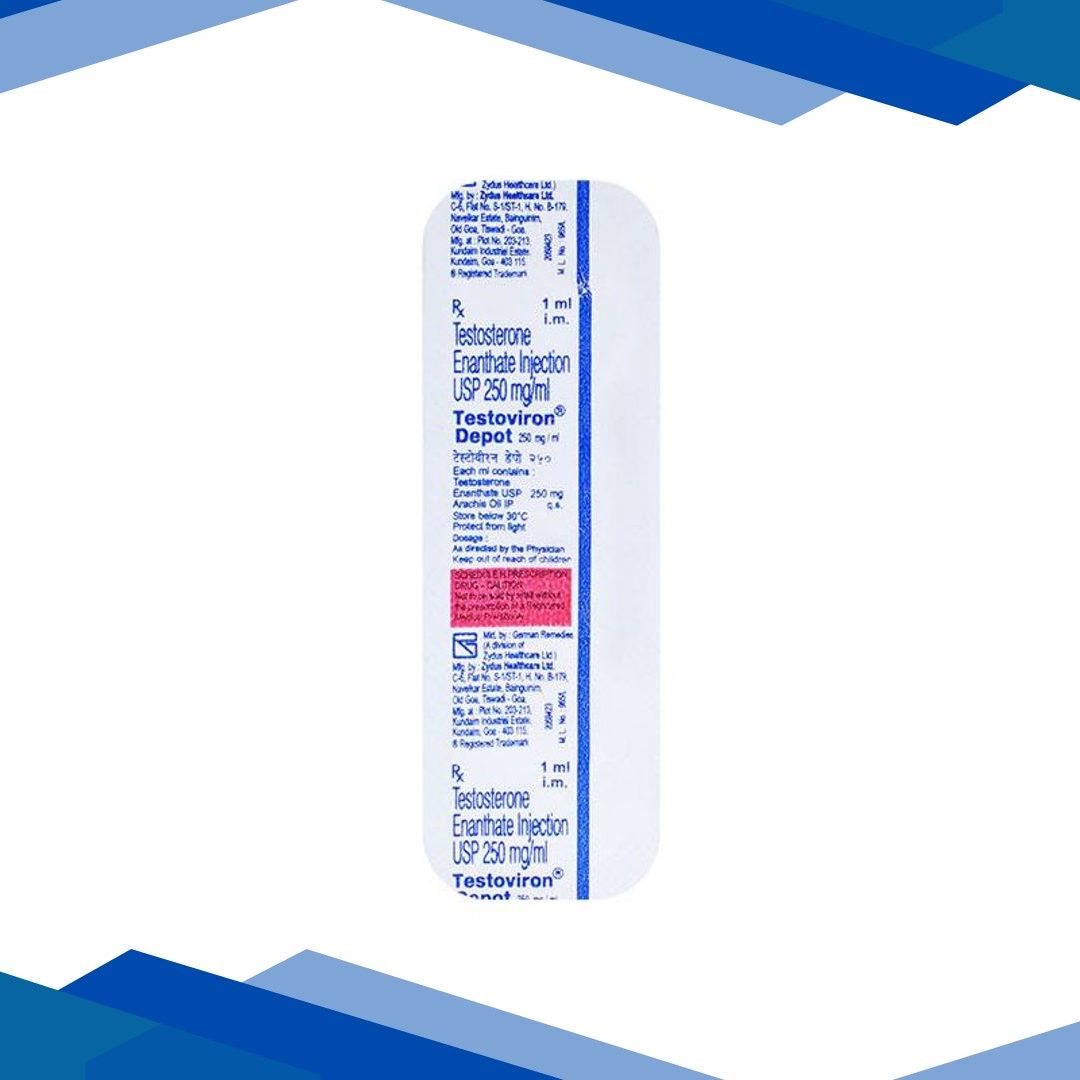
Testoviron Depot 250 Injection 1ml
Testosterone (Generic Patient Overview)
Testosterone is basically the main natural androgenic hormone that does the heavy lifting for growth, development, and upkeep of male reproductive organs plus those secondary sex features. In routine medical care, extra testosterone, meaning supplemental testosterone, is commonly used as hormone replacement therapy, especially for adult men who have confirmed low testosterone levels and clinical hypogonadism.
Therapeutic Class: Androgens / Male Hormones
Common Modalities: Topical gels, transdermal patches, intramuscular shots (like Enanthate, Cypionate, Undecanoate), and oral capsules
Schedule Status: Strictly Controlled Substance / Schedule H (Rx Required)
Target Audience: Adult men with documented clinical hormone shortages
Therapeutic Indications & Clinical Benefits
1. Treatment of Male Hypogonadism
Testosterone therapy is mainly used for primary hypogonadism (testicular malfunction from injury, genetics, or orchitis) and hypogonadotropic hypogonadism (when the hypothalamus or pituitary gland can not send the signal down to the testes).
2. Improvement of Deficiency Symptoms
When testosterone levels are brought back to normal physiological ranges, many patients notice improvements such as:
- Physical vitality, less chronic fatigue, and better preservation of muscle mass
- Libido, sexual function, and erectile steadiness
- Mood stability, better focus, and reduction in depressive feelings
- Bone mineral density which can lower longer term osteoporosis risk
Mechanism of Action: How It Works
Exogenous testosterone replaces or adds to the natural hormone production the body is not making enough of. After absorption into the bloodstream via the skin or muscle tissue, testosterone attaches to androgen receptors in target tissues throughout the body, including skeletal muscle, bone, and the central nervous system.
In several peripheral tissues, it may be transformed into stronger variants such as dihydrotestosterone (DHT), or it can be aromatized into estradiol. These interactions influence cellular protein synthesis, supporting masculine trait maintenance, red blood cell formation, and metabolic wellbeing.
Administration Guidelines across Modalities
Because testosterone comes in multiple forms, it is important to follow the delivery-specific instructions closely, for safety and results.
For Topical Gels (e.g., AndroGel, Testogel)
Application Sites: Use only on clean, dry, unbroken skin on upper arms, shoulders, or abdomen as instructed. Never apply the gel to the scrotum, penis, or damaged skin.
Drying & Clothing: Let the gel dry fully in a few minutes before putting clothing on. Keep the treated area covered so the medicine does not pass to women or children during skin contact.
Hygiene: Wash hands well with soap and water immediately after applying. Avoid showering, swimming, or bathing for at least 2 to 6 hours, depending on the brand after use.
For Intramuscular Injections
Clinical Administration: The injection should be placed deep into the muscle (often the gluteal muscle) by a registered doctor or nurse in a healthcare setting. Do not self inject unless you are fully trained, and actively supervised by your specialist.
Potential Side Effects & Adverse Reactions
Testosterone therapy needs close calibration because elevated levels, or individual sensitivity, can cause unwanted effects.
Common Side Effects:
- Acne, oily skin, or localized skin irritation (with gels/patches)
- Injection site pain, swelling, or minor bruising
- Weight gain or mild fluid retention (edema) in the lower limbs
- More frequent spontaneous erections
Serious Complications (contact your physician immediately):
- Urinary Variations: Trouble urinating, weak urine stream, frequent nighttime urination, or blood in the urine (possible prostate enlargement signs).
- Cardiovascular Warnings: Chest pain, sudden shortness of breath, pain moving toward the jaw or left arm, severe dizziness, or slurred speech (signals related to clot risk, heart strain, or stroke).
- Hepatic Stress: Ongoing upper abdominal discomfort, dark urine, long lasting nausea, or yellowing of skin/eyes (jaundice).
- Sleep Disturbances: Worsening obstructive sleep apnea, such as frequent waking or loud snoring with daytime tiredness.
Safety Diagnostics, Warnings & Contraindications
| Risk Factor | Clinical Status | Medical Advisory & Precautionary Note |
|---|---|---|
| Prostate / Breast Cancer | ❌ Absolutely Contraindicated | Testosterone must not be used by men with known or suspected prostate malignancy or male breast cancer, because it may accelerate tumor activity. |
| Pregnancy & Women | ❌ Highly Unsafe / Contraindicated | Not indicated for women. Accidental exposure during pregnancy can create major virilization risk (fetal development of abnormal male traits). |
| Polycythemia | ⚠️ High Caution | Testosterone encourages red blood cell production. If your hematocrit rises above 54%, therapy must be paused or adjusted to reduce blood clot concerns. |
| Cardiovascular Disease | ⚠️ High Caution | Patients with prior heart failure, severe hypertension, or a previous stroke need careful clinical screening since fluid retention may worsen. |
Frequently Asked Questions (FAQs)
Q. Why do I have to get blood work regularly while on Testosterone therapy?
Regular blood checks matter for safety, and for dose adjustments. Your physician will monitor your total and free testosterone to keep it in a safe window. They will also check a Complete Blood Count (CBC) to screen for high red blood cells (polycythemia), liver function enzymes, and Prostate-Specific Antigen (PSA) to help watch prostate health.
Q. What is “Secondary Transfer” with testosterone gels, and how do I prevent it?
Secondary transfer is when the medication on your skin rubs off onto another person by accident. If women or children frequently touch the unwashed application area, they could experience side effects like early sexual development in children, or facial hair growth and voice deepening in women. To prevent this, always wash your hands after applying, cover the area with clothing once dry, and wash the site well with soap if you expect close skin-to-skin contact.
Q. Can Testosterone therapy cure male infertility?
No. In fact, exogenous testosterone therapy often causes the reverse. By introducing outside testosterone, the brain sends a signal to the pituitary gland to stop releasing luteinizing hormone (LH) and follicle-stimulating hormone (FSH) that tell the testes to function. That drop can reduce sperm production quite a lot, lowering fertility. If you are trying to conceive now, ask your doctor about alternative fertility options.
Q. How long until I see visible improvements from Testosterone replacement?
Timelines vary. Many people report better energy levels, steadier mood, and improved libido within about 3 to 6 weeks of starting. Body composition changes, like more noticeable lean muscle and better bone density, usually take about 3 to 6 months of consistent treatment combined with regular training and a balanced diet.