
Showing all 4 resultsSorted by popularity
Filter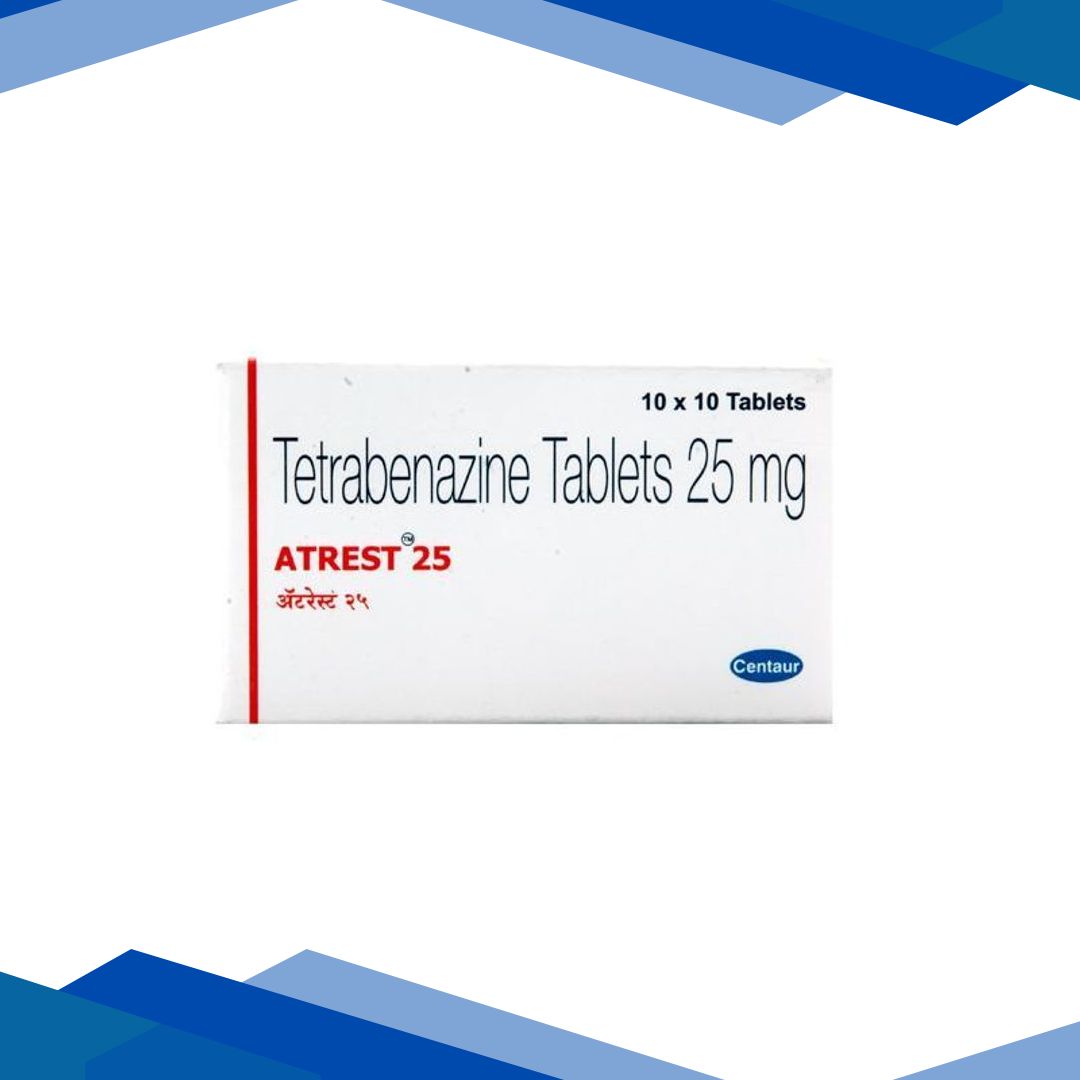
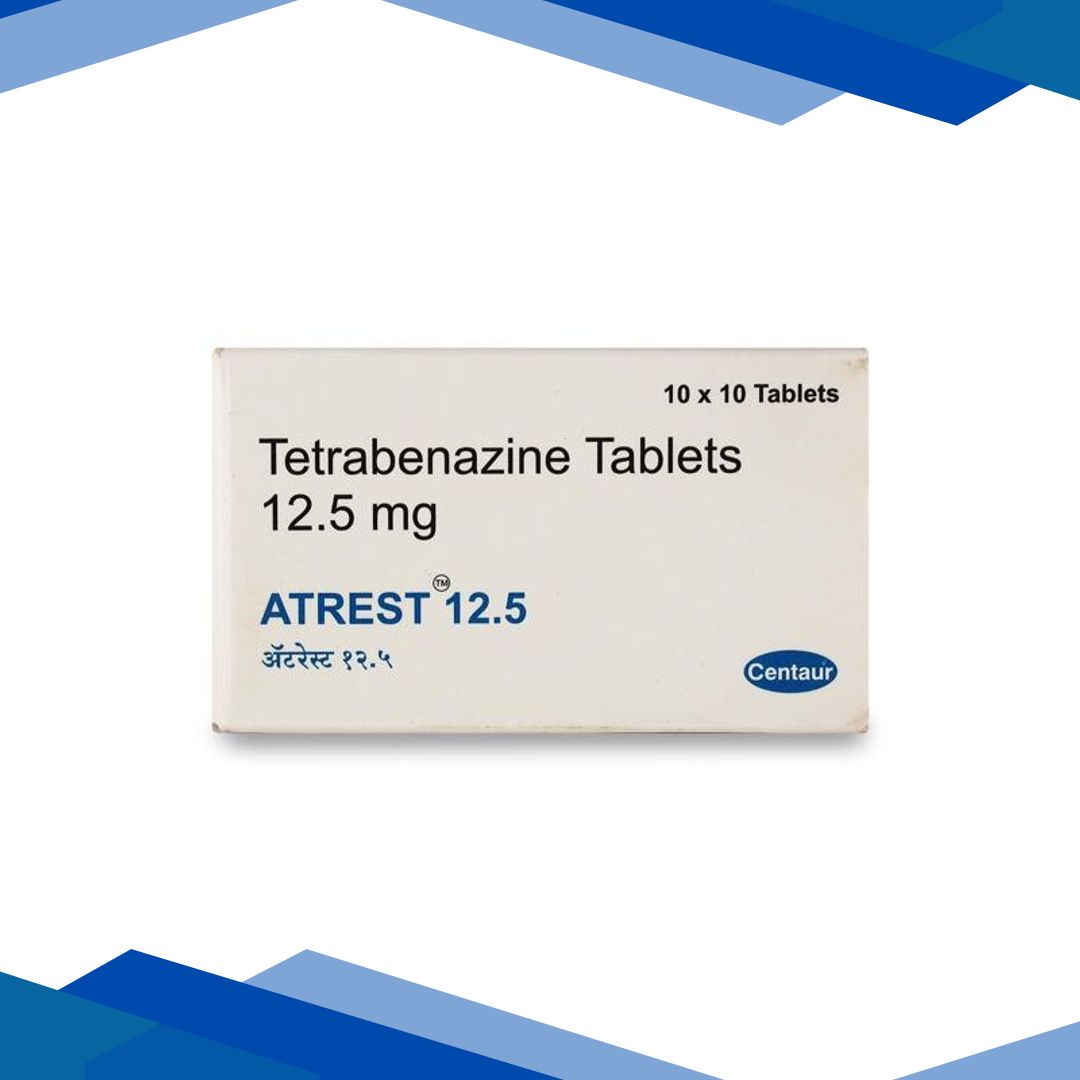

Tetrabenazine: Quality Neurological Care for Movement Disorders
Tetrabenazine is a potent monoamine depletor and is the agent used for the management of many hyperkinetic movement disorders including, most commonly, chorea, which is seen as involuntary, jerky movements in persons suffering from Huntington’s Disease. By controlling the neurotransmitter level, particularly in brain, Tetrabenazine helps the patients in some motor control to a life standard.
Primary Indications
Chorea in Huntington’s Disease: Due to a substantial reduction in the numbers and occurrence of involuntary movements.
Tardive Dyskinesia: Though often an off-label indication for long-term-persistent repeating movements that rip-her lifelong apathy during the therapy of certain psychiatric medications, at times, it is considered.
Tourette Syndrome: It receives rare employment if severe motor tics and vocal tics cannot be controlled with alternative treatment.
Ballism: An attempt to maintain excited violent large amplitude flinging movements of the body.
Pharmacology: How It Works
It inhibits Vesicular Monoamine Transporter 2 (VMAT2) selectively and reversibly in nature. VMAT2 carries neurotransmitters, such as dopamine, from a nerve cell into vesicles for discharge. This mechanism results in the dopamine depletion at the ending of neurons because the medication inhibits the release of dopamine during action. The involuntary movements are usually intensified due to the excessive activity of dopamine; lower dopamine levels “soothe” neuromuscular signals, including less erratic movements, control of voluntary movements, and so forth.
Safety and Dosing Advice
Guideline
Recommendation
Drinking Take with or without food. Timing is important.
Restriction Avoid. Since alcohol could potentiate the sedative effect of tetrabenazine far higher than is safe, individuals are advised to abstain from alcohol when taking the medication.
Monitor Please closely monitor mood changes and suicidal thoughts in the patient when starting; maintenance of this vigilance is necessary for the duration of treatment.
Driving Tetrabenazine may cause drowsiness; consequently, patients should avoid engaging in activities that require skilled coordination, such as driving or operating heavy machinery until such a time that the patient knows the effects of the tetrabenazine on their system.
Harmful Effects
Despite its therapeutic benefits, most tetrabenazine users battle a range of knowingly troublesome side effects mostly for which only medical interventions are warranted:
Narcosis: marked somnolence and weariness (very common).
Akathisia: a feeling of inner restiveness or the “urge to move.”
Parkinsonism: slow movements, tremors, and stiffness.
Gastrointestinal: nausea or constipation.
Insomnia: inability to sleep although it has been tired all day.
Fundamental Precautions
Patient Warning: A patient using tetrabenazine can increase the risk of developing depression. Should any sudden appearances of sadness or withdrawal present, medical help must be forthcoming. Most commonly, the provider shall conduct examination to examine if the depression-combo may present.
Hepatic impairment: Do not treat massive liver disease.
Drug Interactions: Never combine with MAO inhibitors and never allow it to interact with a drug that would prolong the QT interval of the heart.
CYP2D6 testing: Blood tests may be taken at times to evaluate the speed at which the body metabolizes the drug, aiding in an idea as to how much of the drug would be beneficial.
References / Frequently Asked Questions (FAQs)
Q: How long does it take for Tetrabenazine to start working?
Some impact may be seen in the first few days, but it usually takes several weeks of titration to hit the dose level that controls movements and brings the fewest side effects.
Q: Is tetrabenazine a cure for Huntington’s disease?
No. Tetrabenazine is symptomatic treatment in which it helps with the chorea but does not stop the progression of the neurological disorder underneath it.
Q: Why do we have to increase the dose so slowly?
This application is called “titration.” In the beginning, your doctor will prescribe a low daily dose until he or she can ascertain whether your body will tolerate it. Because the medication gives great benefit but also presents risk of severe depression or severe drowsiness, the dose is carefully increased.
Q: What should I do if I feel terribly restless after taking the dose?
This might be akathisia, a known side effect of VMAT2 inhibitors. First of all, call your neurologist; he or she might need to adjust your dose or provide another medication.
Q: Can I just quit taking Tetrabenazine?
You may experience worsening movement due to the so-called “rebound” effect if you cease use abruptly; thus, always consult your physician prior to reducing your dose or discontinuing the medicine.