
Showing all 7 resultsSorted by popularity
Filter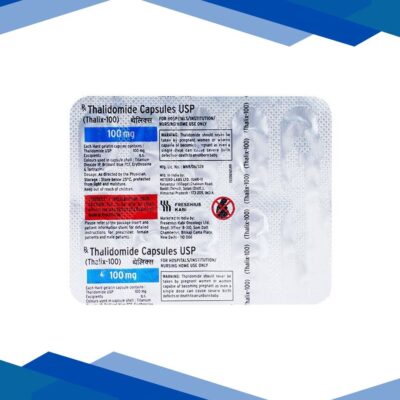
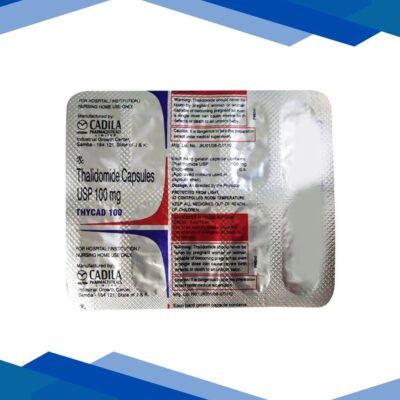
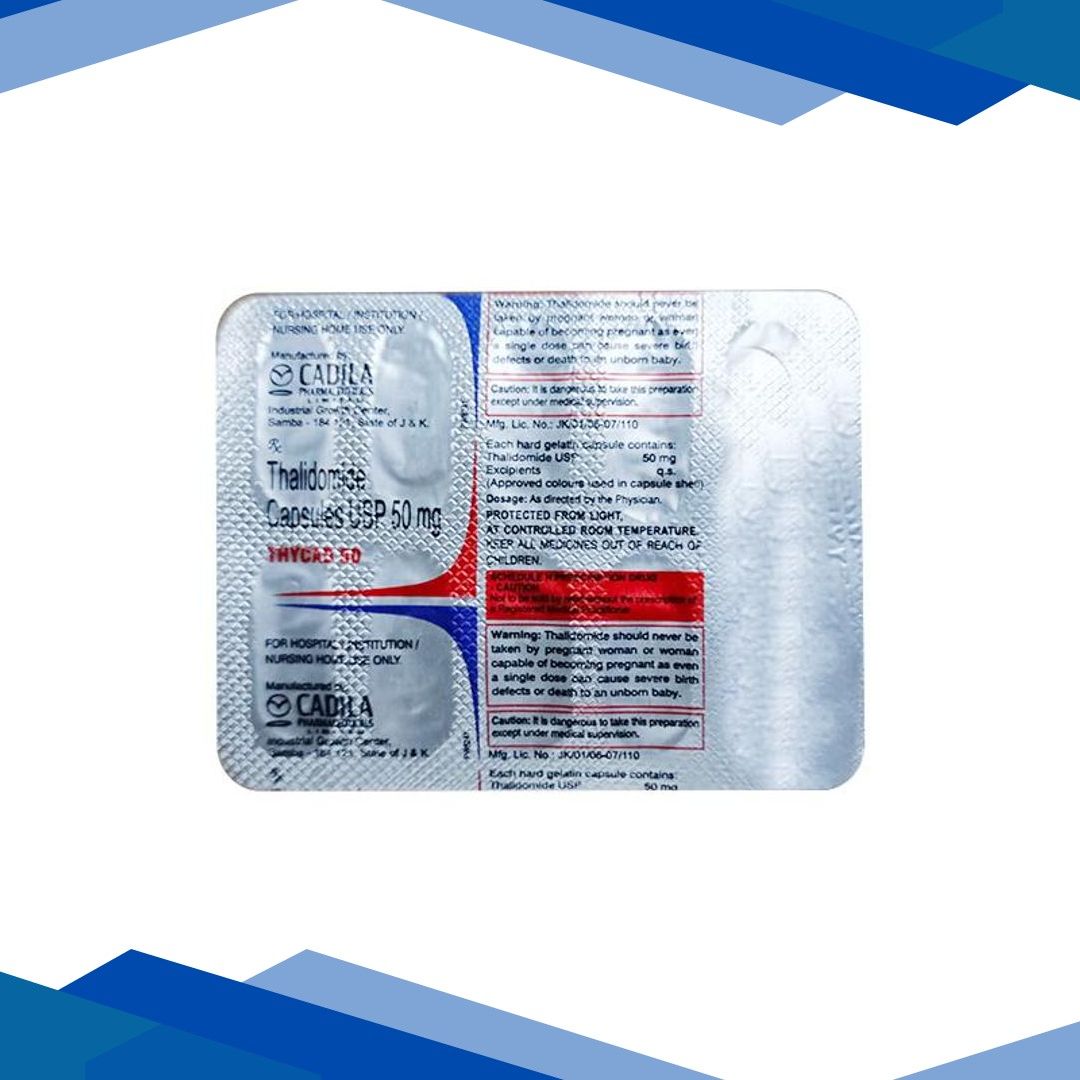
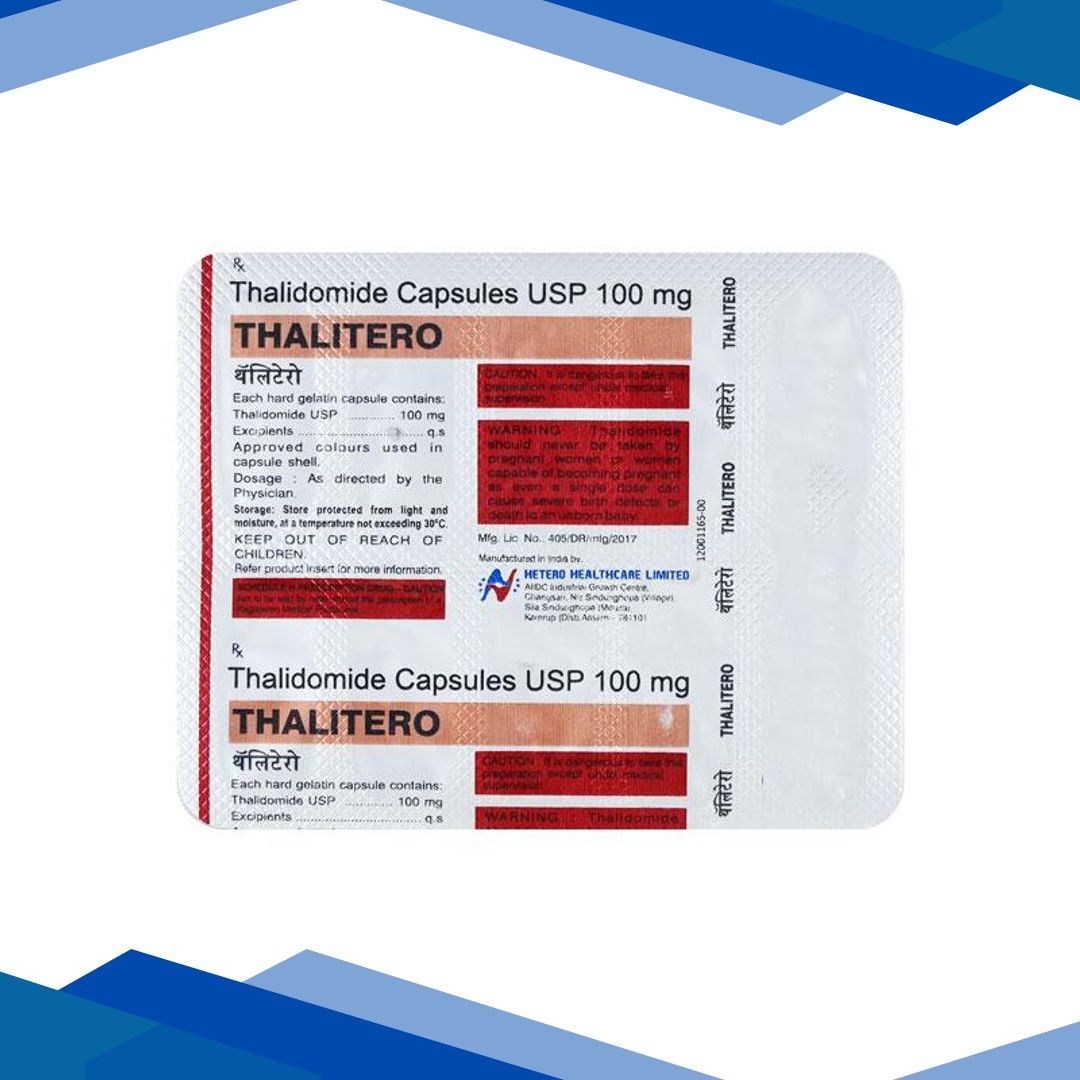
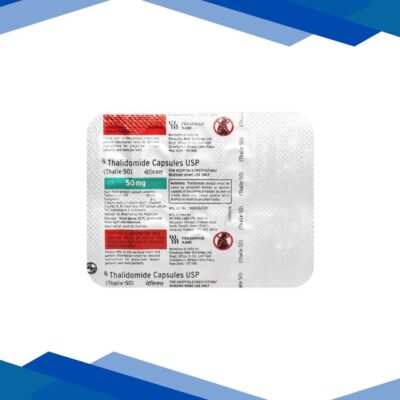


Thalidomide 50 mg / 100 mg Capsule
Thalidomide is a strong immunomodulatory medicine used for certain blood cancers, and also for severe inflammatory skin disorders. People value it because it can steer the body’s immune response. Usually it is given as a key treatment when someone is newly diagnosed with multiple myeloma, and it may also be used to manage acute leprosy related skin problems.
Therapeutic Class: Immunomodulators / Antineoplastic agents
Availability: 50 mg and 100 mg Capsules
Habit-Forming: No
Prescription Status: Strictly Schedule H (Requires mandatory medical registration and specialist prescription)
Core Therapeutic Uses & Clinical Benefits
1. Advanced Treatment for Multiple Myeloma
Thalidomide can be very effective when combined with dexamethasone for people newly diagnosed with multiple myeloma (a plasma cell blood cancer). It changes the bone marrow setting, helping stop malignant cells from multiplying.
2. Control of Lepra Reactions (ENL)
It acts as a primary option for the acute skin findings of moderate-to-severe Erythema Nodosum Leprosum (ENL), which is a painful, inflamed immune event that can show up during leprosy therapy. It helps calm irritating skin lesions and lowers whole-body inflammation.
3. Maintenance Therapy
After the early outbreaks, it is sometimes continued as long term maintenance, to prevent repeated skin nodules in chronic ENL situations.
Mechanism of Action: How It Works
Thalidomide works through several interlinked biological pathways:
Immunomodulation:
It reduces the release of Tumor Necrosis Factor-alpha (TNF-alpha), a prominent inflammatory cytokine, helping calm intense reactions like ENL.
Anti-Angiogenesis:
It blocks the formation of new blood vessels (angiogenesis) around tumors. Without a fresh supply line nutrients and oxygen, cancer cells cannot expand quickly.
Apoptosis Induction:
It functions as a cereblon E3 ligase modulator, which shifts cellular messaging to encourage programmed cell death in abnormal myeloma cells.
Administration Protocols & Dosage
How to Take:
Swallow the capsule in one piece, with a glass of plain water. Do not crush, chew, open, or dissolve it. Handling the raw contents directly can create major exposure problems.
Timing:
Take it only once a day, and do it before bed. Try to leave at least one hour after your evening meal. This timing helps offset the medication heavy sedative impact.
Missed Dose:
If you miss your bedtime dose but remember the next morning, do not take it then. Leave that dose alone completely and take the next capsule at bedtime. Never take a double dose to catch up.
Notable Side Effects & Adverse Risks
Because Thalidomide strongly influences immune activity and the blood vessel system, patients need continuous monitoring for multiple well known side effects.
Common Side Effects:
- Excessive drowsiness, sedation, or daytime fatigue
- Ongoing constipation and dry skin
- Dizziness, tremors, or low blood pressure when standing suddenly
- Swelling in hands, ankles, or feet (edema)
Serious Adverse Reactions (Contact Your Doctor or Emergency Services Immediately):
- Peripheral Neuropathy: ongoing numbness, burning discomfort, or a pins-and-needles feeling in fingers or toes
- Thromboembolism: possible clot signs, such as sudden shortness of breath, unexplained chest pain, or intense swelling and pain in one calf
- Blood Discoloration: High fever or repeated infections from a sudden fall in white blood cells, often neutropenia
Critical Safety Restrictions & Contraindications
| Risk Evaluation | Absolute Regulatory & Clinical Guidelines |
|---|---|
| Pregnancy Warning | ❌ Extremely Dangerous. Thalidomide is a proven human teratogen. Even a single dose during pregnancy can lead to severe, life-threatening fetal harm, including phocomelia or other limb deformities, or even fetal death. |
| REMS Mandate | ⚠️ Strict Control. Every male and female patient must register in a governed Risk Evaluation and Mitigation Strategy (REMS) plan, to support strict adherence to dual birth control practices. |
| Alcohol & Sedatives | ❌ Avoid Completely. Alcohol plus this medicine, sleeping aids, or muscle relaxants can cause dangerous CNS slowdown, leading to deep, extreme drowsiness. |
| Blood Donation | ❌ Prohibited. Patients must not donate blood or semen during therapy, and for at least 28 days after the absolute final dose, to reduce risk of accidental exposure to others. |
Frequently Asked Questions (FAQs)
Q. Why is Thalidomide available now if it once caused severe birth defects?
Its mid-20th century use created tragic evidence about developmental risk. Modern trials later confirmed that the anti-inflammatory and anti-cancer abilities can be highly effective, especially in multiple myeloma. Today it is tightly regulated through safety programs like REMS, so nobody receiving it is pregnant or becomes pregnant during the course.
Q. Why am I told to take Thalidomide only at bedtime?
Thalidomide commonly causes major sedation. Taking the full daily amount right before sleep helps cover peak drug levels while you rest, which lowers daytime sluggishness, dizziness, and coordination hazards.
Q. Why do men also need strict birth control rules?
Thalidomide can reach human semen. If a male patient has sex without protection with a pregnant woman, or someone who could become pregnant, the fetus may get exposed to the drug and face a serious risk of birth defects. Because of that, male patients must use dependable barrier methods, for example condoms, for the entire treatment span.
Q. What should I do if I notice tingling or numbness in my toes?
You must contact your oncologist or specialist right away. Tingling, numbness, or burning in the extremities may point to peripheral neuropathy, which is a known nerve side effect of Thalidomide. If your team catches it early, your doctor may lower the dose or pause treatment temporarily to reduce chances of lasting nerve injury.