
Showing 1–20 of 77 resultsSorted by popularity
Filter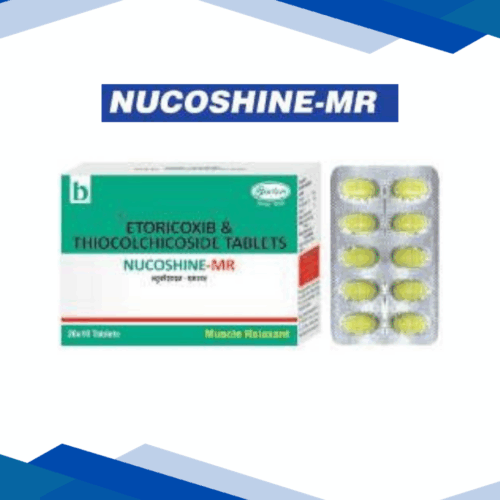

ETOBRIX TH 8 Soft Gelatin Capsule 10’s
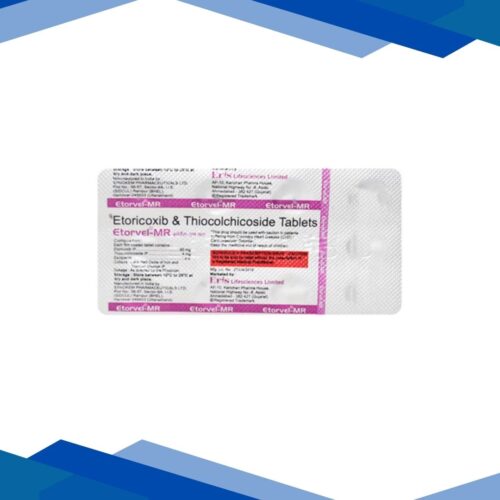
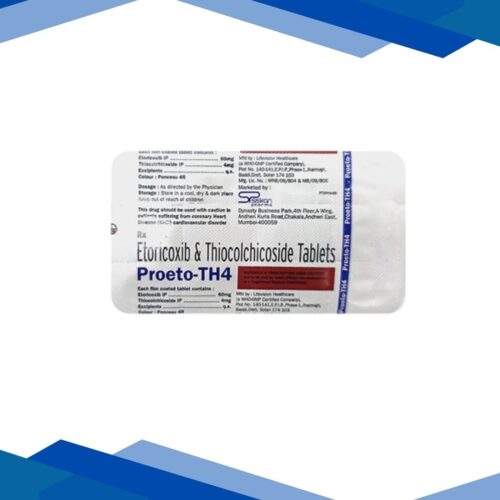
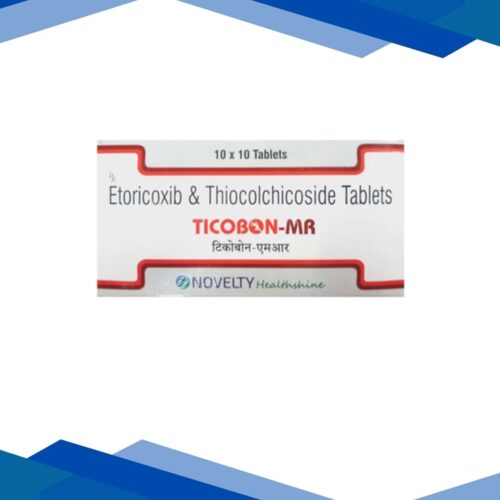
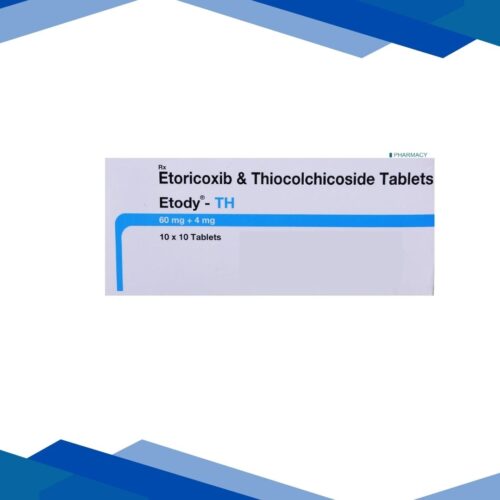
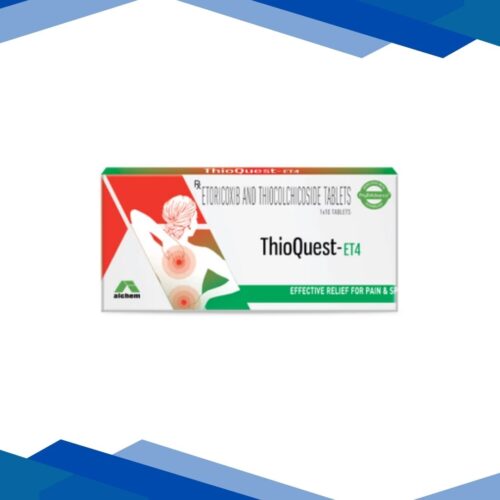
Thioquest ET 4mg Tablet 10’S
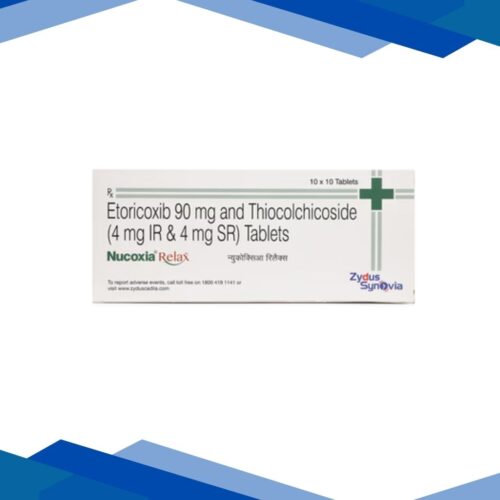
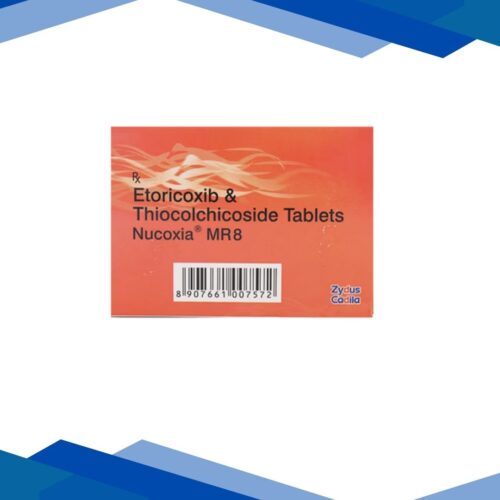
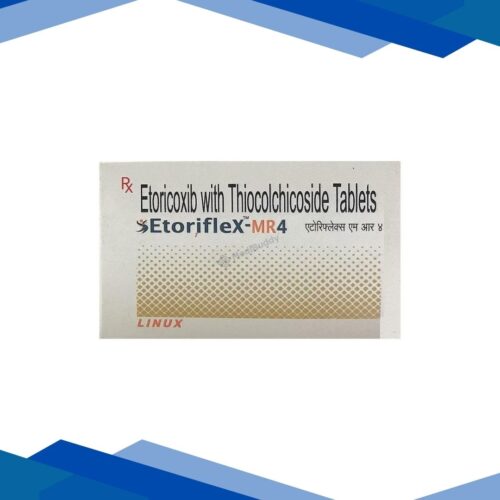
Etoriflex MR 4mg Tablet 10’S
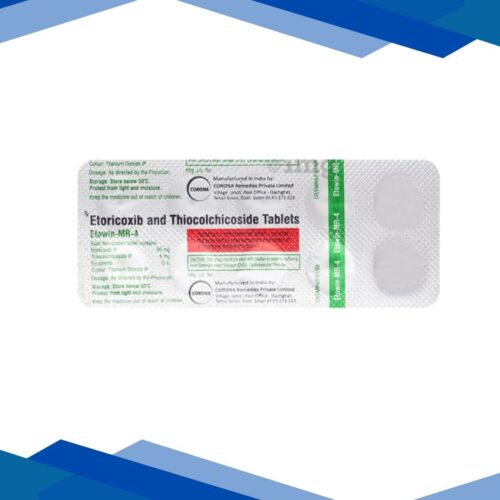
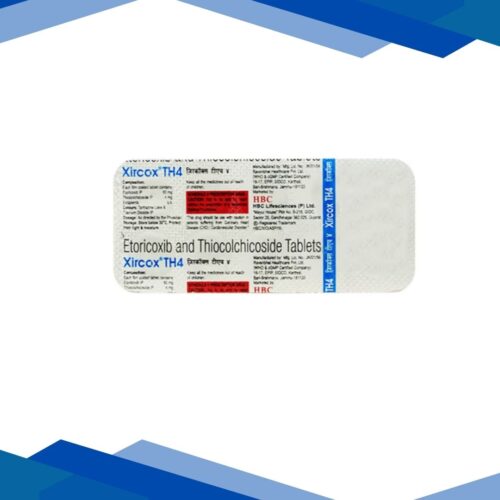

Etoriflex MR 8mg Tablet 10’S
Thiocolchicoside: A Balancing Act in the Treatment of Acute Muscle Spasms
Thiocolchicoside is potent as a muscle relaxant and is derived, from natural sources, to relieve painful muscle tightness and spasticity. When compared to many of the muscle relaxants already in use, which are highly sedative, thiocolchicoside does not affect the human mind as quickly if being used for stiffness and physical recovery. Thus, in terms of the physical recovery in acute cases, this is promising.
Thiocolchicoside: Key Therapeutic Uses
Acute Lumbago: This does show fast action when used in cases of lumbago, sciatica, and just other lower back pains-general sort.
Musculoskeletal Spasms: An effective spasm button against the sprains of the neck muscles and torticollis.
Neurological Spasticity: Is given as an adjunct for the control of muscle stiffness in some neurological diseases with involuntary muscle movements.
Post-Traumatic Recovery: Helps in reducing muscle tension once begun.
Topic Articles
The precise mechanism of actions of these drugs at the pathophysiological level is poorly understood. It appears like thhe chemicolicoid cholicermotropicottery that essentially inhibits the central nervous system from follicling with the receptors in the spinal cord and helps in setting various spastic complexes in contrast. Thus, it antagonizes overactivity of mediators and neurotransmitters due to injury and inflammation that usually result from muscle overexertion and muscle strain.اءWithin minutes, virtually, it guarantees dynamism within a particular protocol governed by an abnormal contractile impulse. Thiocolchicoside resets the body back to its normal muscle activity within minutes.
Usual Dosage & Timing
Thiocolchicoside should best be taken after meals. If taken before, the patient is likely to suffer gastric discomfort.
Duration: Period of medication should not exceed a week without a significant reason. It could serve as a longer-term treatment if necessary.
Forms of Prep
Solicar®, Muscadol®: capsules, tablets, and topical formulations
Available Formulations
Thiocolchicoside: Frequently Asked Questions
Q: Is Thiocolchicoside a painkiller?
A: Not entirely. It combats pain by curing the muscle that has contracted and is causing pain. The combination hence should be wise, usually with some mild anti-inflammatory, like paracetamol, Aceclofenac, or Diclofenac, for comprehensive relief.
Q: When can the medication start to show effects?
A: Most patients notice a decrease in the degree of muscle stiffness in 1 to 2 hours after the oral administration. This entire effect usually further sets in after consistent administration within 3-5 days.
Q: Whether the drug is advisable to take during pregnancy?
A: NO. Absolutely prohibited; it’s not allowed to be taken even during breast-feeding.. It can, although it has never been proven, affect fetal cell development. It would also be a good idea to inform your doctor if you are trying to conceive or plan on doing so.
Q: Does it make a patient sleepy?
A: Not as sedating as start receiving muscle relaxants do. However, Thiocolchicoside may render this side effect in some individuals who might find it to be just a bit more woozy. Visuospatial abilities are disturbed. Do not rush to drive, operate machinery, or walk until you know how you react.
Q: What to do if faced with diarrhea?
A: Some will have diarrhea, upset stomach, and acne as mild side effects. Knock it off in the event it worsens or becomes persistent or affects you badly and witness your doctor for further doses.
Side-Effects and Safety in a Nutshell
Adverse ReactionFrequencyAetiopathogenesisRecommendation
Gastric Pain/NauseaNever liverGiven with milk or food
DrowsinessOnceMinutes of takingAvoid alcohol; avoid high-alert jobs. Ihad cases of DDS.
Skin Rash/ItchingEvery 2000.000Discontinue and see the specialist. Prostate cancer is the most common drug-induced dermatological problem.
PhototoxicityRareBeware of direct light during treatment.
Q: Can epilepsy patients use this medication?
A: Provoked with extreme care, with good precautions, they may use this in their treatment.
Q: Are there any age restrictions?
A: Best to avoid in cases when children are under 16 years of age.