
Showing the single result
Filter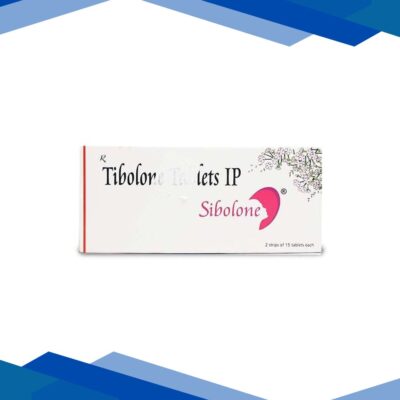
Sibolone 2.5mg Tablet 15’S
Tibolone 2.5 mg Tablet
Tibolone 2.5 mg is a specialized synthetic steroid used as a sort of non-classical Hormone Replacement Therapy (HRT) for postmenopausal women. It is a bit unique because it behaves in a tissue specific way, meaning it can act like estrogen, progesterone, and androgen hormones depending on where it works in the body. In practice it is mainly prescribed to ease strong estrogen deficiency signs and to help safeguard bone structure as women move beyond menopause, especially in relation to postmenopausal osteoporosis.
Therapeutic Class: Hormone Replacement Therapy (HRT) / Estrogens
Pharmacological Class: Selective Tissue Estrogenic Activity Regulator (STEAR)
Primary Active Content: Tibolone 2.5 mg
Prescription Required: Yes (Rx Only)
Therapeutic Indications & Clinical Benefits
1. Vasomotor symptom relief
Tibolone helps re-stabilize the body’s internal thermostat and can bring noticeable relief for hot flushes, night sweats, sudden chills, and sleep disruption in postmenopausal women.
2. Reversal of urogenital atrophy
By restoring localized estrogenic action, it may help with vaginal dryness, thinning of the vaginal lining, ongoing itching, and uncomfortable intercourse (dysmenorrhea).
3. Prevention of postmenopausal osteoporosis
Tibolone reduces bone breakdown by lowering osteoclast activity overall. With regular use it can help preserve bone mineral density (BMD) in the lumbar spine and hips, which in turn reduces the underlying chance of fragility fractures, especially in people already high risk.
4. Mood and libido support, with different balance
Compared with estrogen-only approaches, Tibolone can create weak androgenic metabolites. This interaction may help reduce persistent postmenopausal tiredness, improve mood swings, and support low sexual desire or libido.
Mechanism of Action: How It Works
Tibolone works as a prodrug. After you swallow it, the digestive tract and liver rapidly transform it into three distinct active compounds:
- $3\alpha$-hydroxytibolone & $3\beta$-hydroxytibolone: These function as estrogen agonists. They attach to estrogen receptors in the brain, bones, and vaginal tissues, so menopausal symptoms ease, and bone structure is supported.
- $\Delta4$-isomer: This metabolite binds to progesterone and androgen receptors. In the uterus, its progestogenic behavior helps keep the endometrium thinner, reducing abnormal cellular overgrowth (hyperplasia) that can happen with estrogen without opposition. Meanwhile, its androgen related action may work in the brain to support mood and help restore libido.
Proper Administration & Dosage Guidelines
Mode of Intake: Swallow one tablet whole every day with water. Do not crush, bite, or dissolve the medicine. You can take it with or without meals, as you prefer.
Dosing Schedule: Aim to take it at the exact same hour each day so hormone levels stay more uniform in your bloodstream.
Missed Dose Protocol: If you forget and remember within 12 hours of your usual time, take the tablet immediately. If more than 12 hours have passed, skip the missed tablet completely and take the next one at your scheduled hour. Never take a double dose to compensate.
Possible Side Effects
Even though Tibolone may reduce some issues often seen with standard combined HRT, like pronounced breast tenderness, it still has a side effect pattern that should be watched.
Common Side Effects (1% to 10% of users):
- Unscheduled vaginal spotting, breakthrough bleeding, or more vaginal discharge
- Lower abdominal or pelvic pain
- Unintended weight gain or localized fluid retention
- Mild androgen like effects, such as abnormal facial or body hair growth
- Breast discomfort or nipple sensitivity
Serious Complications (Stop and seek urgent medical help):
- Sudden painful swelling or redness in one leg (possible Deep Vein Thrombosis signs)
- Unexplained chest pain, shortness of breath, or coughing blood
- Severe sudden migraines or new visual changes
- Yellow skin or eyes (jaundice), suggesting liver strain
Crucial Safety Advice & Warnings
| Risk Category | Clinical Assessment | Medical Directives |
|---|---|---|
| When to Initiate | ❌ Contraindicated | Do not start Tibolone until at least 12 months after your last natural menstrual period. Starting earlier can greatly increase irregular bleeding patterns. |
| History of Cancer | ❌ Absolutely Unsafe | Do not use it if you have known, past, or suspected breast cancer or endometrial cancer. |
| Thromboembolism | ❌ Absolutely Unsafe | Avoid use if you have an active history of blood clots, deep vein thrombosis, pulmonary embolism, stroke, or severe cardiovascular disease. |
| Age Limitations | ⚠️ High Caution | Using Tibolone after age 60 needs a careful risk-benefit discussion, because clinical records show a higher baseline stroke risk in older groups. |
Frequently Asked Questions (FAQs)
Q. Is Tibolone a contraceptive pill?
No. Tibolone is used as a hormone replacement therapy for postmenopausal women when natural cycles have fully stopped. It does not prevent pregnancy. If you are less than 12 months past your final period, or you still have semi-fertile cycles, you should talk with your doctor about non-hormonal contraception barrier options.
Q. Why doesn’t Tibolone require an extra progesterone pill to protect the uterus?
In typical menopause regimens, women with an intact uterus need progesterone alongside estrogen to prevent the uterine lining from thickening too much, which can raise cancer risk. Tibolone often does not need a separate progesterone tablet because one of its breakdown products, the $\Delta4$-isomer, provides progestogenic protection within the uterine lining itself.
Q. I started taking Tibolone and now I have mild spotting. Is that normal?
Light spotting or breakthrough bleeding is relatively common during the first 3 to 6 months after starting, as the body adjusts. If it continues beyond the 6-month mark, becomes progressively heavier, or starts suddenly after a period with no bleeding, you should contact your gynecologist.
Q. How long can I safely stay on Tibolone 2.5 mg tablets?
Hormonal treatments are usually prescribed at the lowest effective dose for the shortest time needed to reach the clinical goal. Your doctor will likely re-check your health metrics at least once each year to decide whether you can continue safely or gradually reduce/taper the medication.