
Showing the single result
Filter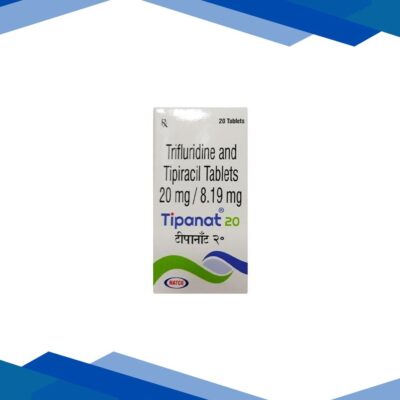
TIPANAT 20 Tablet 20’s
Trifluridine + Tipiracil Tablets: uses, side effects, price, and substitutes
Tipiracil is an oncology-focused molecule that comes only as a dual-action combo with Trifluridine, taken as an oral chemotherapy course. It is mainly given to adults dealing with metastatic colorectal cancer, and metastatic gastric (stomach) adenocarcinoma (also including tumors at the gastroesophageal junction) after first line and second line systemic treatments stop working.
How Tipiracil helps in real life, you can think of it as a metabolic bodyguard. It keeps the tumor targeting parts of Trifluridine more stable and around longer in the body, which becomes a key option when other, more intensive IV approaches do not produce enough results.
The pairing, how it works together
To see why Tipiracil matters, it helps to look at Trifluridine first, then the protector role:
The driver (Trifluridine):
Trifluridine is a thymidine-based nucleoside analogue. Once it gets inside the body, it misleads fast growing cancer cells to absorb it. After that, it slips into the malignant cell’s DNA framework, creating heavy synthesis errors. Those errors slow down cell division, and ultimately push cells toward death.
The shield (Tipiracil):
Normally the body relies on an enzyme called thymidine phosphorylase, which breaks down and removes Trifluridine quickly. That’s why, taken alone, it often does not last long enough to work well by mouth. Tipiracil blocks thymidine phosphorylase, so Trifluridine is not destroyed too soon. This lets it build up to useful cancer fighting levels in your bloodstream.
Primary medical uses and benefits
Advanced colorectal cancer management:
Used for patients with colon or rectal cancer that has spread to other organs, after standard fluoropyrimidine, oxaliplatin and irinotecan regimens have already been tried.
Refractory stomach cancer therapy:
Considered as a late-stage option for advanced gastric cancers that have not responded to multiple systemic protocols.
Oral option instead of long IV plans:
It comes as manageable tablets, rather than requiring prolonged center-based IV lines.
Dosing and administration, the 28-day cycle
Because this is a strong antineoplastic medicine, the schedule is designed to be exact. Unless your oncologist tells you otherwise, do not change the pattern:
The 28-day cycle:
It is usually taken twice daily on Days 1 to 5, then you take a 2-day break. That same pattern repeats for Days 8 to 12, and then there is a longer 16-day rest window to let healthy bone marrow recover.
Meal timing:
Take your dose with a full glass of water, within 1 hour after finishing your morning and evening meals. If you take it on an empty stomach, absorption can change a lot.
Basic handling hygiene:
Try not to touch the tablets directly with bare hands. Use the bottle cap or a small medicine cup, then place the pill into your mouth right away. If a caregiver is helping, they should wear disposable latex or rubber gloves.
If you vomit after a dose:
If you vomit right after taking a scheduled dose, do not take an extra capsule to replace it. Just wait and continue with the next regularly scheduled dose.
Possible side effects and clinical risks
Like other chemotherapies, this combo can affect normal fast growing cells as well as tumor cells. That is why close clinical monitoring matters.
Common adverse reactions:
- Severe myelosuppression: low white cells (neutropenia), anemia (low red cells), and low platelets (thrombocytopenia)
- Gastrointestinal issues: nausea, vomiting, or diarrhea (can range from mild to moderate)
- Pronounced fatigue, general weakness, and reduced overall energy
- Decreased appetite, sometimes leading to mild weight loss
- Low grade fever, also described as pyrexia
Serious warnings, contact your oncology team immediately:
- Infection signs: an oral temperature of 38°C (100.4°F) or higher, with shaking chills, a persistent sore throat, or a cough that will not go away
- Bleeding problems: unusual bruising, blood in urine or stools, black tarry stools, or ongoing gum bleeding after brushing
- Dehydration risk: nonstop diarrhea that keeps you from holding fluids down
Safety advice and personal safeguards
Parameter | Clinical status | Medical care guidance
Blood diagnostics:
❌ Mandatory testing
A Complete Blood Count (CBC) must be done and reviewed before starting every single 28-day cycle, and again specifically on Day 15 of each cycle.
Pregnancy:
❌ Strictly contraindicated
This treatment can cause verified embryo harm and fetal loss. Both male and female patients must use very effective barrier contraception during treatment, and for 6 months after the final dose.
Breastfeeding:
❌ Prohibited
Drug transfer into breast milk is highly probable. Nursing should be avoided during treatment, and for at least 24 hours after the absolute last dose.
Kidney disease:
⚠️ Dose adjustments
If you have moderate to severe kidney impairment, toxicity risk is higher. Your doctor may require baseline dose changes and closer tracking.
Frequently asked questions (FAQs)
Q1: Why are there two tablet strengths, and why do I take both?
Your exact dose is calculated based on Body Surface Area (BSA). Since one fixed pill size cannot match everyone’s individual biology, your oncologist may prescribe a mix of strengths (for example, combining 15 mg and 20 mg tablets) to reach your target daily amount. Make sure you check the visual markings on each pack before taking anything.
Q2: What is the main benefit of combining Tipiracil with Trifluridine?
Trifluridine works well on its own as an anti-cancer agent, but the liver naturally breaks it down within minutes after swallowing. Tipiracil shuts down the relevant liver enzymes, so Trifluridine remains active long enough to enter and interfere with DNA pathways in growing cancer cells.
Q3: How do I reduce infection risk when my white blood cells are low?
During the recovery periods, especially the 16-day breaks, immune defenses can be weaker. To reduce risk: avoid large crowds, avoid people showing cold or flu symptoms, wash hands carefully before meals, make sure meat and vegetables are fully cooked, and use a soft bristle toothbrush to help protect gums from tiny tears.
Q4: Can I use over-the-counter anti-diarrheal meds if I get loose stools?
Yes, but confirm first with your oncology care team. For mild diarrhea, hydration with electrolyte fluids and basic, doctor-approved over-the-counter options like loperamide may help. If you get more than 4 to 6 loose stool episodes in one day, contact your clinic rather than self treating, since sudden electrolyte imbalance can happen.
Q5: Will this medication cause complete hair loss?
Alopecia can occur, but in fewer than 10% of patients using this specific combination. That makes it less common than other traditional chemotherapy regimens.