
Showing the single result
Filter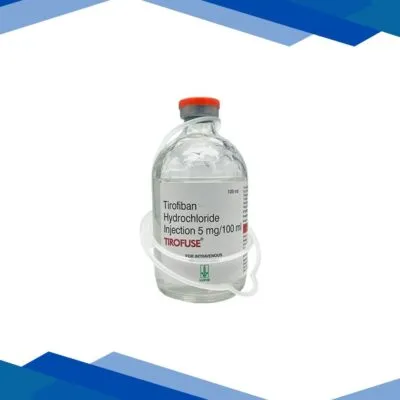
Tirofuse 5mg Infusion 100ml
Tirofiban Infusion
Tirofiban is a very specific, synthetic non-peptide glycoprotein (GP) IIb/IIIa receptor antagonist, and it is often framed as a advanced antiplatelet option meant for intravenous use to keep coronary blood flow smooth, plus reduce hazardous clot buildup during acute , high-risk heart situations.
Therapeutic Class: Antiplatelets / Platelet Aggregation Inhibitors.
Pharmacological Class: Glycoprotein IIb/IIIa Inhibitor.
Form: Intravenous (IV) Solution / Infusion (for example 5 mg / 100 mL).
Prescription Required: Yes, strictly Schedule H, and kept for critical care or in-hospital use only.
Primary Clinical Uses & Benefits
1. Acute Coronary Syndrome (ACS)
Tirofiban is commonly used to lower the odds of big thrombotic cardiovascular events, including refractory ischemia, repeat heart attacks, or cardiac death, in people with Non-ST-Elevation Acute Coronary Syndrome (NSTE-ACS). This includes:
- Unstable Angina , with severe unpredictable chest discomfort
- Non-ST-Elevation Myocardial Infarction (NSTEMI)
2. Support During Percutaneous Coronary Intervention (PCI)
During coronary angioplasty, where narrowed heart vessels are widened with a balloon or kept open through stent placement, Tirofiban is given to reduce the risk of sudden clot re-closure in those newly opened channels.
Mechanism of Action: How It Works
When a heart blood vessel gets damaged, or when plaque breaks open, platelets hurry to the spot and adhere, then they merge into a clot. Fibrinogen normally binds to key platelet surface proteins called Glycoprotein IIb/IIIa receptors, acting like a binding agent that helps the clot stay fixed.
Tirofiban copies the critical fibrinogen binding pattern. By attaching to GP IIb/IIIa receptors, it blocks fibrinogen from bridging platelets together, competitively. This stops the last shared step in platelet aggregation, so blood stays more fluid and continues circulating through the arteries that feed heart muscle.
Administration and Hospital Protocol
Mode of Delivery
Tirofiban is delivered only as a continuous intravenous (IV) infusion, administered by trained clinicians inside a monitored setting like an ICU or cardiac catheterization suite. It is not intended for home self-use.
Standard Clinical Dosing
A common protocol uses an initial fast loading infusion (for example 0.4\ \text{mcg/kg/min} for 30 minutes) to trigger rapid platelet inhibition, and then shifts right away to a slower continuous maintenance infusion (for example 0.1\ \text{mcg/kg/min}).
Treatment Window
The infusion is typically carried through the procedure and continued for 12 to 24 hours after angioplasty, depending on how stable the patient remains.
Side Effects & Adverse Risks
Because Tirofiban reduces platelet sticking, its main side effect category relates to the body having altered clotting ability.
Common Side Effects:
- Increased bleeding tendency (minor bruising, oozing at the IV entry site)
- Nausea or general stomach upset
- Mild headaches , or localized fever
- Reversible drop in red blood cell count (anemia)
Serious Complications (Requires Immediate Emergency Action):
- Severe Internal Bleeding: suggested by coughing up blood, blood in urine, black or tarry stools, or sudden severe abdominal pain.
- Acute Thrombocytopenia: meaning a sharp fall in platelet levels
Critical Safety Warnings & Contraindications
| Risk Factor | Clinical Status | Absolute Medical Directives |
|---|---|---|
| Active Bleeding | ❌ Contraindicated | Never use if a patient has active internal bleeding, a bleeding disorder history, or major trauma within the last 30 days. |
| Recent Surgeries | ❌ Contraindicated | Do not give if the patient had major surgery or a stroke within the past 4 to 6 weeks. |
| Severe Hypertension | ❌ Contraindicated | Avoid in severe uncontrolled high blood pressure (malignant hypertension) due to higher internal bleeding risk. |
| Kidney Disease | ⚠️ High Caution | The kidneys are a major route for clearance, so with severe renal impairment a required dose decrease (often reduced to about half) is needed to prevent buildup. |
Frequently Asked Questions (FAQs)
Q. Is Tirofiban a blood thinner or anticoagulant like Heparin?
They both aim to stop clots, but they act differently. Heparin is an anticoagulant that disrupts chemical clotting factors in blood plasma. Tirofiban is a specialized antiplatelet medicine that prevents platelets from clumping. In intensive cardiac care, clinicians sometimes use both together because their dual mechanisms can complement each other.
Q. How long does it take for Tirofiban to leave the body after the infusion ends?
Tirofiban has a relatively short elimination half-life near 2 hours. After the IV line is stopped, platelet function and typical clot-forming behavior usually return close to baseline within 4 to 8 hours for most individuals.
Q. Why do teams check blood counts again and again while someone receives Tirofiban?
A known rare issue with GP IIb/IIIa inhibitors is drug-induced thrombocytopenia, meaning a fast drop in platelet counts. Medical teams run baseline and follow-up Complete Blood Count (CBC) tests to confirm platelets are not falling to dangerous levels, which would require stopping the infusion right away.
Q. Can someone get Tirofiban if they are pregnant or breastfeeding?
Tirofiban is generally not advised during pregnancy or while breastfeeding unless it is an absolute emergency where benefits outweigh potential fetal or infant risks. Evidence from controlled trials in pregnant patients is limited, so the cardiologist will weigh risks carefully and decide case by case.