
Showing all 4 resultsSorted by popularity
Filter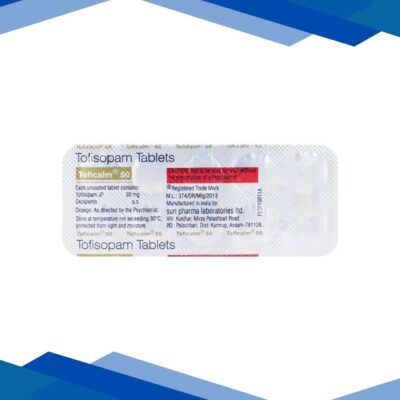

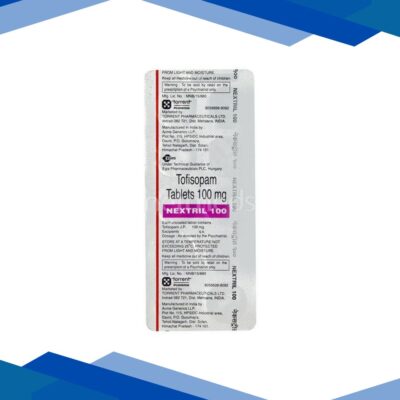
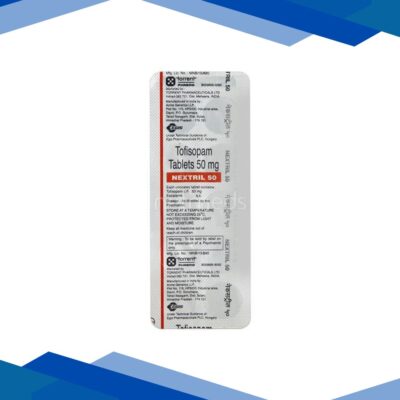
Tofisopam 50 mg / 100 mg Tablets
Tofisopam is an atypical anti-anxiety medication belonging to the 2,3-benzodiazepine group. Unlike classic 1,4-benzodiazepines, like diazepam or alprazolam, Tofisopam feels different in practice because it addresses anxiety, mood problems, and autonomic nervous system irregularities, while avoiding sedation, drowsiness, or muscle slackening. It’s often chosen for daytime anxiety, since it helps keep coordination steady and keeps cognitive work running.
Therapeutic Class: Anti-Anxiety Medications / Anxiolytics
Chemical Class: 2,3-Benzodiazepine Derivative
Available Strengths: 50 mg and 100 mg
Prescription Required: Yes (Rx Only)
Primary Uses & Clinical Benefits
1. Management of Daytime Anxiety and Stress
Tofisopam is mainly used for mild-to-moderate anxiety, nervous tension, and emotional strain. Because it does not interfere with motor abilities or cause daytime tiredness, it fits many working people and active adults.
2. Stabilization of Autonomic Nervous Symptoms
It can reduce body reactions that often come with emotional stress or shifting hormone levels, such as:
- Unexplained heart palpitations and stress-linked sweating
- General malaise and ongoing tension headaches
- Vasomotor complaints tied to climacteric change (menopause) or ovarian insufficiency
3. Supportive Therapy in Mild Depressive Episodes
When used alongside an antidepressant plan under clinical supervision, Tofisopam can help lift low mood and calm the overlap of panic, agitation, or restless distress.
Mechanism of Action: How It Works
Traditional anti-anxiety benzodiazepines attach to the GABA-A receptor setup to downshift signaling in the central nervous system, which often leads to sedation, and muscle relaxation. Tofisopam, however, changes that pattern. It works as a selective inhibitor of the phosphodiesterase 10A (PDE10A) enzyme and indirectly reshapes GABA-A receptor activity.
This atypical pathway focuses on the emotional circuitry of the brain, the limbic system, and it steadies the autonomic nervous system too. In effect, stress signals become less disruptive, while your motor skills, memory retention, and physical alertness are largely preserved.
Directions for Use and Dosing Layout
Administration:
Swallow the tablet whole with a glass of water. You can take it with food, or without food, as directed.
Standard Adult Dose:
Usually 50 mg to 100 mg per day, taken 1 to 3 times daily based on how intense the condition is.
Consistency:
Use evenly spaced doses across the day so the bloodstream level stays stable.
Treatment Window:
To reduce longer-term biological adaptation, therapy is commonly kept to up to 12 consecutive weeks, unless your physician sets another plan.
Potential Side Effects
Even with a strong safety and tolerability record vs traditional sedatives, some people can experience mild adverse effects.
Common or Minor Side Effects:
- Gastrointestinal upset (nausea, mild vomiting, bloating, or constipation)
- Dry mouth or a slight drop in appetite
- Headache or temporary restlessness, or insomnia (possibly from mild activating effects)
- Mild skin itching or rash
Severe Side Effects (Stop and contact your specialist immediately):
- Jaundice or liver stress (yellow skin or eyes, dark urine)
- Extreme agitation, persistent lack of sleep, or sudden changes in behavior
- Anaphylaxis, with significant facial swelling, skin hives, or breathing difficulty
Safety Commitments & Crucial Precautions
| Risk Parameter | Clinical Advisory Status | Medical Directives |
|---|---|---|
| Alcohol | ⚠️ Caution | Try to avoid or minimize alcohol. Even if Tofisopam does not intensify alcohol sedation like typical sedatives do, combining them can still cause unexpected dizziness. |
| Pregnancy | ❌ Unsafe | Contraindicated during the first trimester due to embryo-fetal developmental hazards. Do not use unless your specialist explicitly decides it is vital. |
| Breastfeeding | ❌ Unsafe | Small amounts may pass into breast milk and could cause mild sedation, or feeding difficulties in the infant. Stop nursing or adjust medication, as advised. |
| Glaucoma & Seizures | ⚠️ High Caution | Use with extra caution if you have a history of acute narrow-angle glaucoma, epilepsy, or chronic respiratory failure. |
Frequently Asked Questions (FAQs)
Q. Will Tofisopam make me feel sleepy or dizzy during work hours?
No. That is one major advantage over standard anti-anxiety options like alprazolam or clonazepam. Since it is not a classic sedative-hypnotic, it treats the anxiety and stress drivers without drowsiness, muscle weakness, or slowed reflexes.
Q. Is Tofisopam habit-forming like other benzodiazepines?
Clinical information suggests Tofisopam has a notably lower risk of physical dependence, tolerance buildup, or addiction than classic 1,4-benzodiazepines. Still, take it exactly as prescribed, and do not use it long-term as a self-managed solution.
Q. What should I do if I miss a scheduled dose?
If you remember within a few hours, take it right away. If it is already close to the next regular dose, skip the missed tablet completely and continue the normal day schedule. Never double up to compensate.
Q. Can I stop taking Tofisopam suddenly if my anxiety improves?
No. Even though it’s described as atypical, stopping any medication that affects the nervous system abruptly can trigger withdrawal symptoms, such as rebound anxiety, headaches, sweating, or temporary sleep troubles. Always talk to your doctor first, and ask about a gradual dose-tapering plan.