
Showing all 2 resultsSorted by popularity
Filter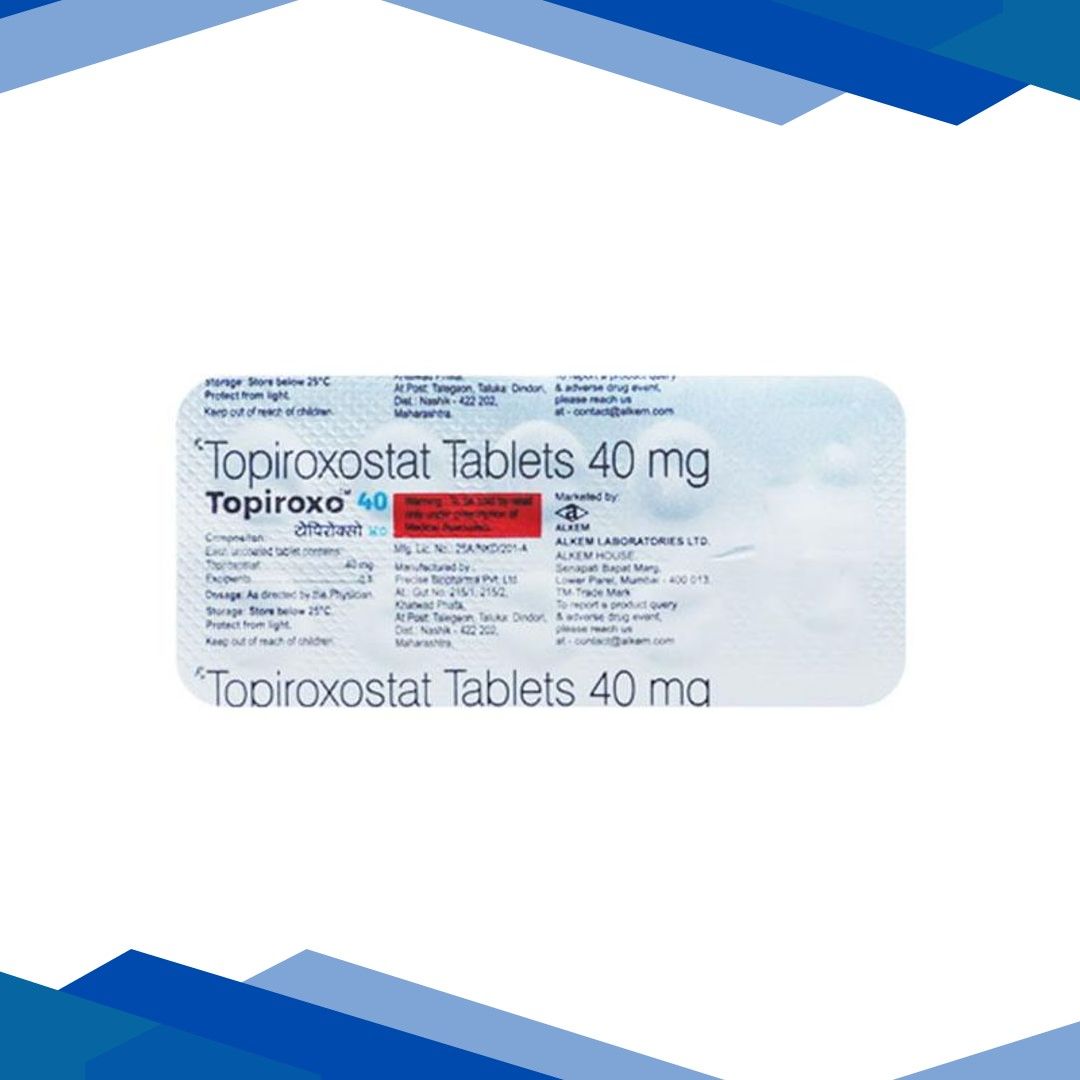
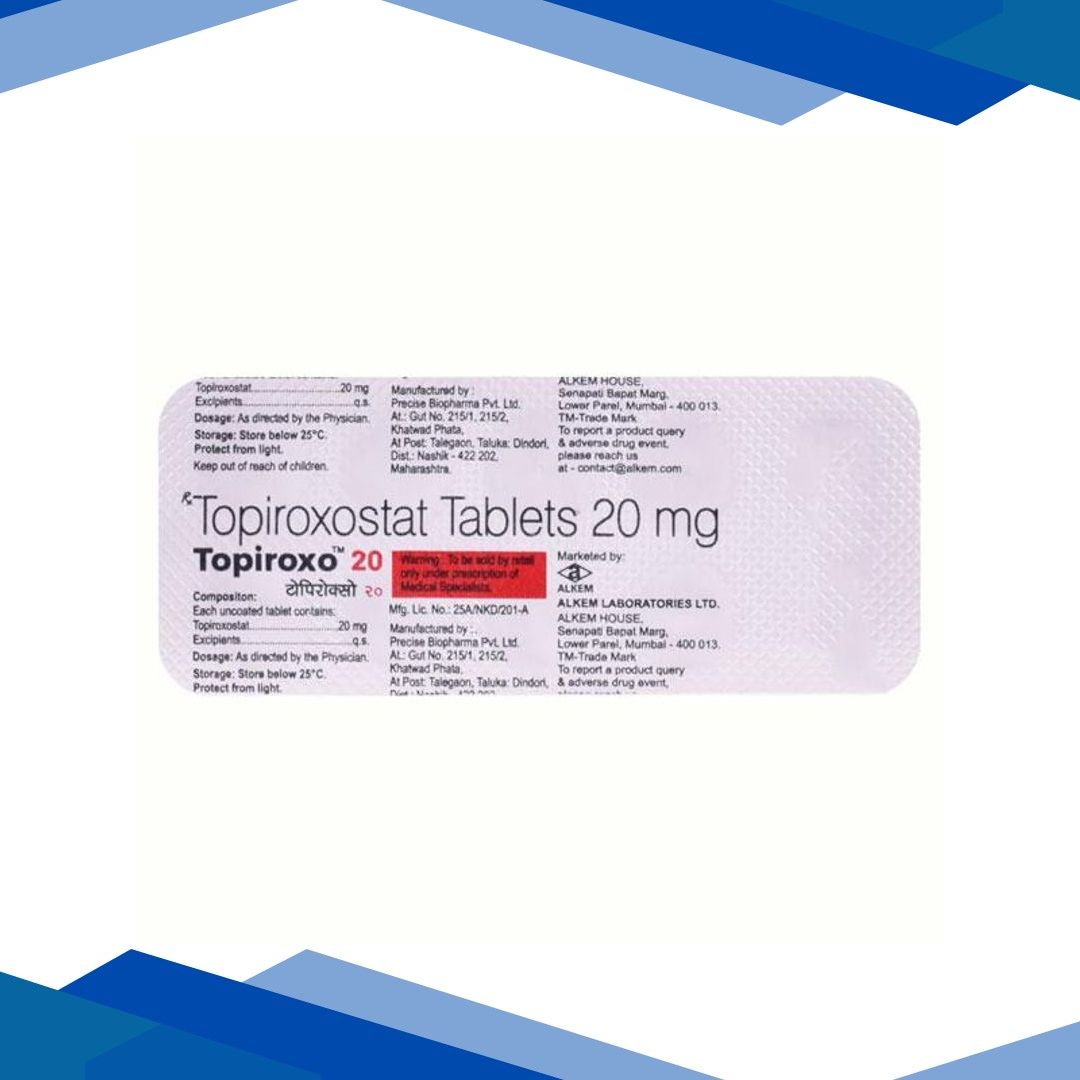
Topiroxostat Tablets (20 mg / 40 mg / 60 mg)
Topiroxostat is an advanced, highly selective third-generation xanthine oxidase inhibitor, used for the therapeutic management of chronic hyperuricemia (pathologically elevated uric acid) and gout. By working as a targeted uricostatic agent, it kind of steps in and blocks the chemical pathways that generate excess uric acid, helping prevent the formation and painful landing of urate crystals within the joint tissues as well as the renal structures.
Therapeutic Class: Antigout Preparations / Uricostatic Agents
Pharmacological Class: Selective Xanthine Oxidase Inhibitors (Non-Purine)
Available Strengths: 20 mg, 40 mg, and 60 mg Tablets
Prescription Mandate: Schedule H Medication (Rx Required)
Primary Clinical Indications & Benefits
1. Long-Term Management of Gout
Topiroxostat is indicated to reduce baseline blood uric acid levels permanently, which in practice lowers the frequency, duration, and baseline intensity of recurring, agonizing gouty arthritis flare-ups.
2. Dual-Pathway Enzyme Inhibition
Unlike structural purine derivatives, Topiroxostat shows competitive, time-dependent inhibition across both the oxidized and reduced states of the xanthine oxidase enzyme, giving a consistent reduction in serum urate levels.
3. Renoprotective Efficiency
Clinical trials suggest Topiroxostat can deliver meaningful therapeutic protection for the kidneys. It lowers urinary albumin excretion, making it a more optimized antigout alternative for patients handling concurrent Stage 3 Chronic Kidney Disease (CKD).
Mechanism of Action: Easing Joint Crystals
Gout flares appear when purine nucleotides systematically break down into an insoluble metabolic waste product known as uric acid. When serum levels move past normal thresholds, the acid precipitates, forming sharp monosodium urate crystals in and around joint cavities.
Topiroxostat acts on the final two stages of this metabolic route by blocking Xanthine Oxidase (XO) completely, the main enzyme that converts hypoxanthine into xanthine, and then xanthine into uric acid. Once it neutralizes XO catalytic sites, Topiroxostat shuts down new production at the source, giving the body space to slowly dissolve existing joint deposits over time.
Strategic Dosage & Administration Protocol
⚠️ The Incremental Titration Rule
Topiroxostat needs gradual introduction. The goal is to avoid destabilizing plasma environment configurations, because this can paradoxically trigger severe early gout attacks.
Initial Starting Phase:
Usually, adults start at 20 mg taken orally twice daily (morning and evening), with or without meals.
Gradual Titration Plan:
Based on follow-up serum uric acid checks, your physician may raise the dosage to 40 mg twice daily at Week 2, then reach a typical maintenance level of 60 mg twice daily by Week 6.
Absolute Maximum Ceiling:
The maximum clinical limit is 80 mg twice daily, always adjusted according to individual tolerance and patient response.
Hydration Rule:
Always drink 2 to 3 liters of fresh water each day while using this therapy, to support systemic filtration and reduce crystal sedimentation inside the urinary tract.
Adverse Reactions & Side Effects
While Topiroxostat is often described as well-tolerated compared to older generic equivalents, some adverse outcomes still need monitoring.
Common Systemic Adjustments:
- Elevated Liver Transaminases: Mild, temporary AST and ALT enzyme elevations
- Gastrointestinal Distress: Transient nausea, mild diarrhea, abdominal bloating, or vomiting
- Neurological Shifts: Intermittent headaches, mild fatigue, or occasional dizziness
Severe Complications (Stop ingestion and consult your physician immediately):
- Hypersensitivity Rashes: Sudden epidermal eruptions, hives, localized swelling, or skin peeling
- Hepatic Stress Indicators: Yellow sclera or skin tissue (jaundice), severe dark tea-colored urine, or constant upper-right quadrant abdominal pain
- Paradoxical Acute Gout Flares: Sudden, severe joint immobility and intense swelling shortly after beginning therapy
Safety Matrices & Drug Interactivity
| Risk Segment | Clinical Status | Medical Guidance Note |
|---|---|---|
| Purine Analogs | ❌ Contraindicated | Completely avoid using alongside Mercaptopurine or Azathioprine. Topiroxostat can interfere with metabolism of these drugs, driving blood toxicity to unsafe levels. |
| Alcohol | ❌ Unsafe | Strictly minimize or cut out alcohol. Alcohol increases internal purine levels and can trigger immediate gout flares, overriding the medicine’s benefits. |
| Pregnancy | ⚠️ Not Recommended | Safety data in pregnancy isn’t fully established. Avoid use unless an obstetrician explicitly decides it is necessary after weighing all metabolic risks. |
| Renal Disease | ✅ Favorable | It is generally considered safe for long-term use in patients on chronic hemodialysis, because plasma accumulation tends to remain low. Still, medical oversight is required. |
Frequently Asked Questions (FAQs)
Q. Can I start taking Topiroxostat 20 mg to stop a sudden, painful gout attack?
No. You should never begin Topiroxostat therapy during an active, acute gout attack. Starting uric acid-lowering treatment while joints are inflamed can shift plasma urate concentrations rapidly, which may destabilize existing crystals and worsen pain. Wait until your current flare-up completely resolves under anti-inflammatory guidance.
Q. What should I do if I experience a brand-new gout attack shortly after starting Topiroxostat?
Do not stop taking your Topiroxostat tablets. It is fairly common to notice an uptick in micro-flares during the first few weeks, as your body shifts and dissolves old joint deposits. If you stop abruptly, uric acid levels can bounce back, which may extend recovery time. Your doctor will often add a temporary companion medication, like low-dose colchicine or an NSAID, to manage these early transitions.
Q. How long do I need to remain on Topiroxostat therapy?
Hyperuricemia and gout are chronic metabolic conditions, so Topiroxostat is meant for long-term maintenance rather than a quick fix. Many patients take it daily for months or years to keep uric acid controlled and prevent further joint damage. Your doctor will confirm duration through periodic blood tests.
Q. Are there specific foods I should avoid while taking Topiroxostat tablets?
Yes. To improve effectiveness, actively limit high-purine foods. This includes red meats, organ meats (like liver), seafood such as sardines and anchovies, high-fructose corn syrups, sugary sodas, and all alcohol forms, especially beer.