



Showing 1–20 of 32 resultsSorted by popularity
Filter




TRD Contin OD 200mg Tablet 5’S
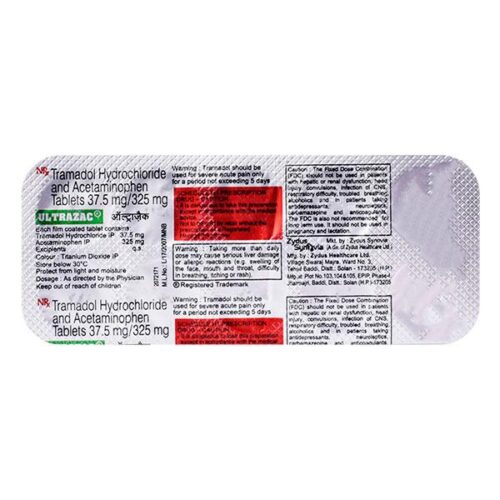




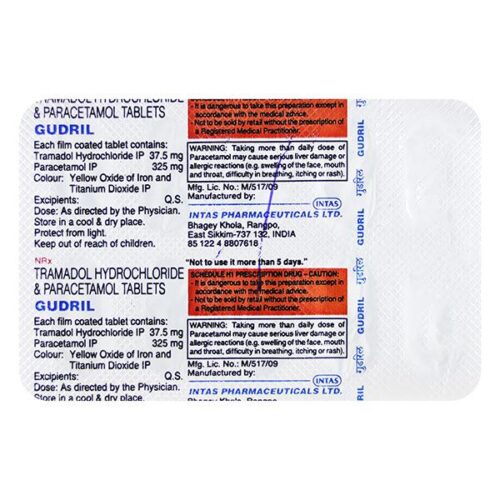



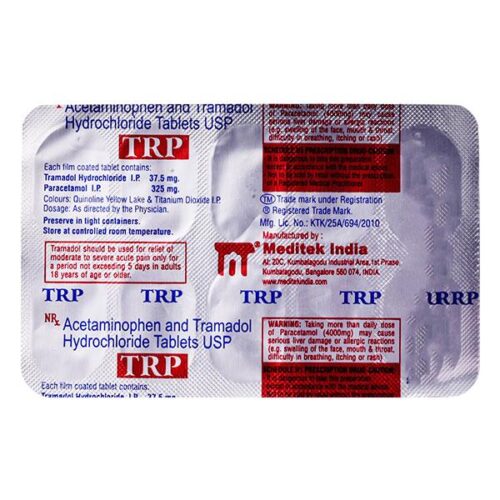
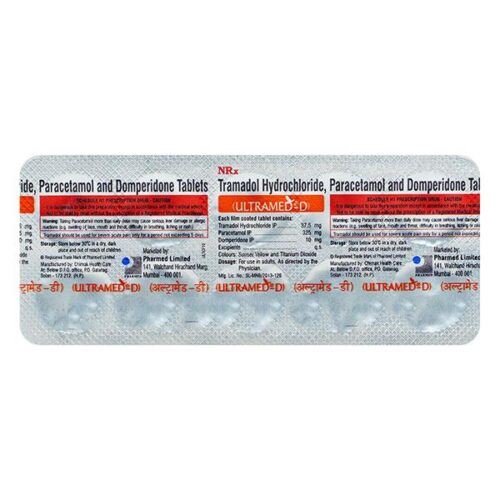
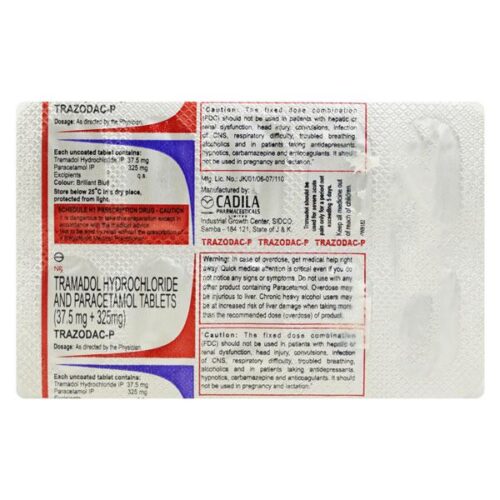


TRAMADOL
Overview:
Tramadol is a pain-relief medicine used to treat moderate to severe pain. It’s often taken when regular painkillers like paracetamol or ibuprofen aren’t strong enough. It works in the brain to reduce how your body feels and responds to pain.
Classification:
Tramadol belongs to a group of medicines called opioid (narcotic) painkillers. It’s a central-acting analgesic, meaning it works directly on the brain and nerves to block pain signals.
Uses:
Tramadol is used for:
Moderate to severe pain
Pain after surgery or injury
Chronic pain (like in arthritis or nerve damage)
Pain that doesn’t respond to milder painkillers
How It Works:
Tramadol works by:
Blocking pain signals in the brain and spinal cord
Increasing certain brain chemicals (like serotonin and norepinephrine) that help reduce the feeling of pain
This way, it changes how your body feels and reacts to pain.
Dosage: As prescribed by your doctor.
Side effects:
- Dizziness or drowsiness
- Nausea or vomitin
- Dry mouth
- Constipation
- Headache
- Feeling tired or sleepy
- Breathing problems
- Seizures (fits)
Precautions:
- Don’t take with alcohol or other sedatives – it can slow down breathing.
- Avoid driving or using machines until you know how it affects you.
- Let your doctor know if you have kidney, liver, or breathing problems, or if you’ve had a history of drug abuse.
- Not recommended during pregnancy or breastfeeding without doctor’s advice.
- Take only as prescribed – don’t increase the dose on your own.
Disclaimer: This content is for informational purposes only. Always consult a healthcare provider for medical advice and proper dosage.