
Showing all 2 resultsSorted by popularity
Filter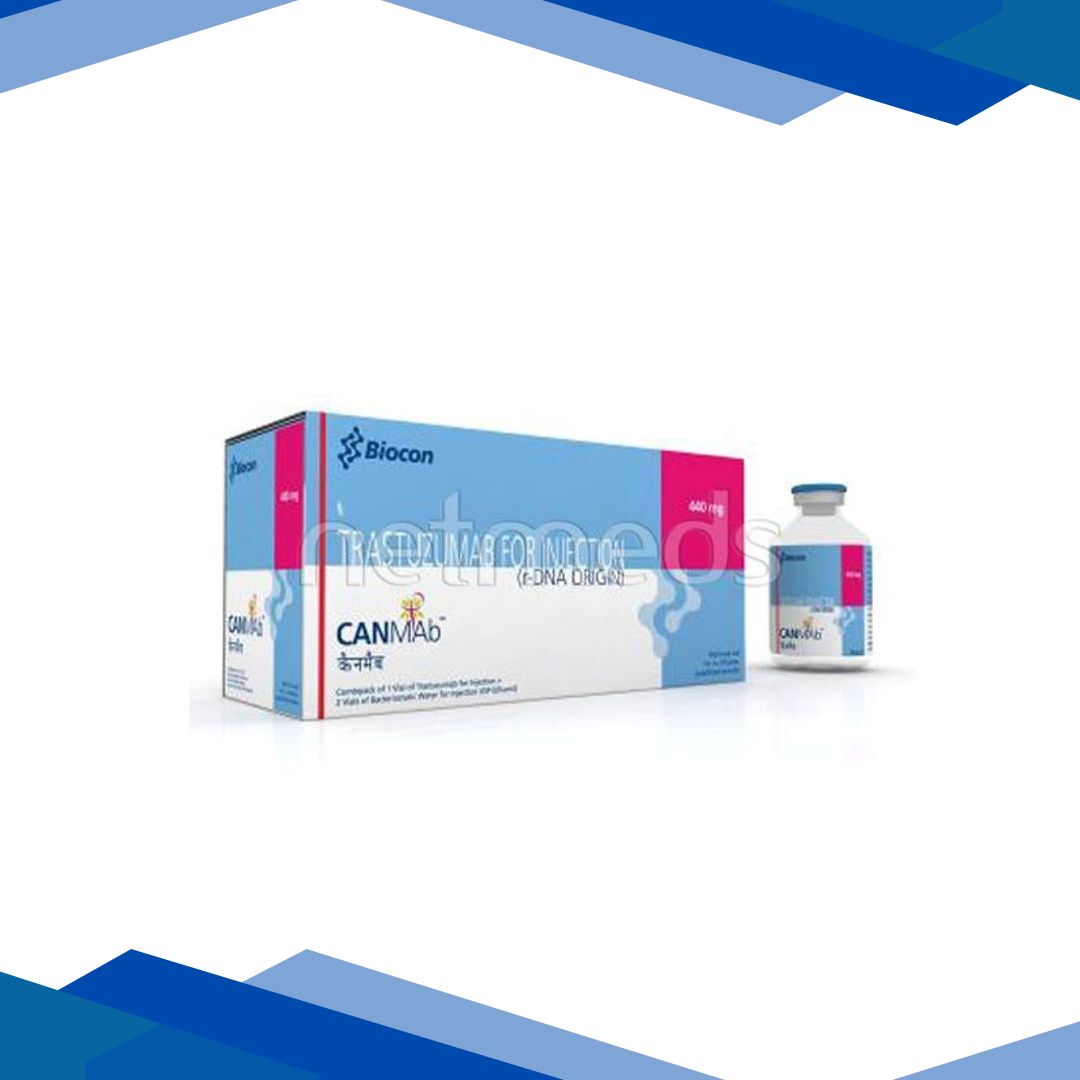

Trastuzumab Overview, Uses, and Side Effects
Trastuzumab is a targeted cancer medication, in the monoclonal antibody group. Unlike classic chemotherapy, which ends up affecting many fast dividing cells at once, Trastuzumab behaves more like a sharp, guidance system. It goes after Human Epidermal Growth Factor Receptor 2 (HER2), a protein that can be overexpressed on the surface of some cancer cells.
When it blocks those HER2 receptors, Trastuzumab disrupts the growth signals inside the tumor, and it also helps alert your own immune defenses to recognize and remove the cancer cells.
Key Benefits and Uses
Trastuzumab is typically reserved for tumors that are confirmed as HER2-positive only. The main uses include:
- Early-stage Breast Cancer: given after surgery, chemotherapy, or radiation, with the goal of lowering the chance the cancer returns.
- Metastatic Breast Cancer: used once the cancer has spread to other parts of the body, frequently paired with first-line chemo drugs such as paclitaxel or docetaxel.
- Advanced Gastric Cancer: for HER2-positive metastatic stomach cancer, or gastroesophageal junction adenocarcinoma.
How Trastuzumab is Given
Clinical setting only: Trastuzumab is a specialized biologic product. It is delivered by a slow Intravenous (IV) infusion, or by subcutaneous injection, usually by a trained oncology professional in a hospital or day-care clinic. Self-administration at home is not a standard option.
Treatment rhythms: depending on the plan, it is commonly scheduled once weekly or once every 3 weeks. For early breast cancer, the routine course is often 52 weeks, meaning a full year.
Pre-testing: before the first dose, your team checks that the tumor has been tested properly, and that it truly is HER2-positive.
Safety Advice, Vital Precautions
Category | Guidance
Heart monitoring: Critical. This drug can weaken the heart muscle, often shown as a reduced left ventricular ejection fraction. Your oncologist will arrange echocardiograms or MUGA scans before treatment, during therapy, and after completion.
Pregnancy: Strictly unsafe. It can lead to serious fetal injury, low amniotic fluid, or birth defects. People who could become pregnant must have a negative pregnancy test before starting, and use reliable birth control during treatment, and for 7 months after the final dose.
Breastfeeding: It is strongly advised to avoid breastfeeding while on treatment and for at least 7 months after the last dose, to help protect the infant.
Infections: When combined with chemotherapy, Trastuzumab may temporarily lower white blood cells. Try to avoid close contact with anyone who has an active infection or an obvious cold.
Common Side Effects
Many people notice mild to moderate effects, especially with the first administration:
- Infusion reactions: chills, shivering, fever, or mild nausea during or shortly after the IV, and these often ease with later doses.
- General discomfort: tiredness, headache, muscle pain, or joint stiffness.
- Digestive effects: brief diarrhea, mild stomach pain, or an altered sense of taste.
- Skin and nails: minor rashes, or changes in nail appearance.
When to get emergency help right away
Get in touch with your healthcare provider immediately, or go to the nearest emergency room if you develop sudden shortness of breath, a persistent dry cough, swelling in the ankles or feet, rapid weight gain of more than 2 kg in 24 hours, or a racing, irregular heartbeat. These can be warning signals for heart strain or lung problems.
Frequently Asked Questions (FAQs)
Q: Can I order Trastuzumab online if it must be given in a hospital?
Yes, some patients obtain it through licensed online pharmacies for better pricing or reliable brand access. Even so, after it arrives through cold-chain shipping, you still must bring it to your clinic or day-care hospital where your oncology team will prepare and administer the infusion.
Q: Why do I still need heart scans if I feel totally fine in my chest?
Trastuzumab can cause cardiotoxicity that may start quietly, meaning the heart pumping efficiency can decline before symptoms appear. Regular scans help your oncologist spot these changes early, so adjustments can be made before bigger heart damage occurs.
Q: What happens if I miss a scheduled infusion appointment?
Try to be consistent with cancer therapy timing. If you miss a dose, contact your oncology clinic as soon as possible to reschedule. Your team will review how many days passed since the last administration and may recommend a modified loading dose to bring the drug exposure back into the best therapeutic zone.
Q: Why wait 7 months after finishing treatment before trying to conceive?
Trastuzumab is a stable monoclonal antibody with a long half-life, so it leaves the body slowly. It can take up to 24 weeks (~6 months) for it to fully clear from your bloodstream. The 7-month waiting window provides extra safety so there are essentially no remaining traces that could endanger a developing fetus.