
Showing all 14 resultsSorted by popularity
Filter




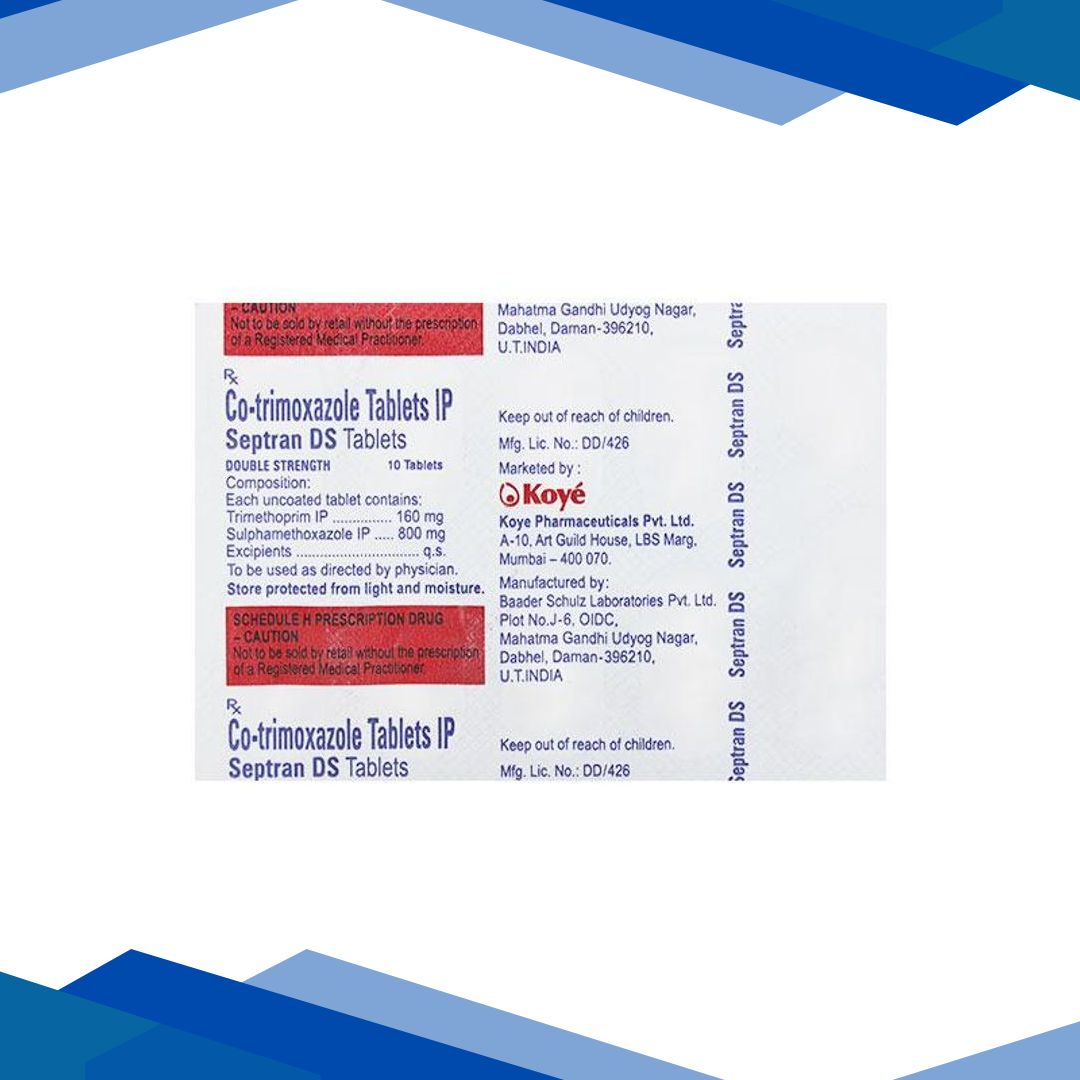

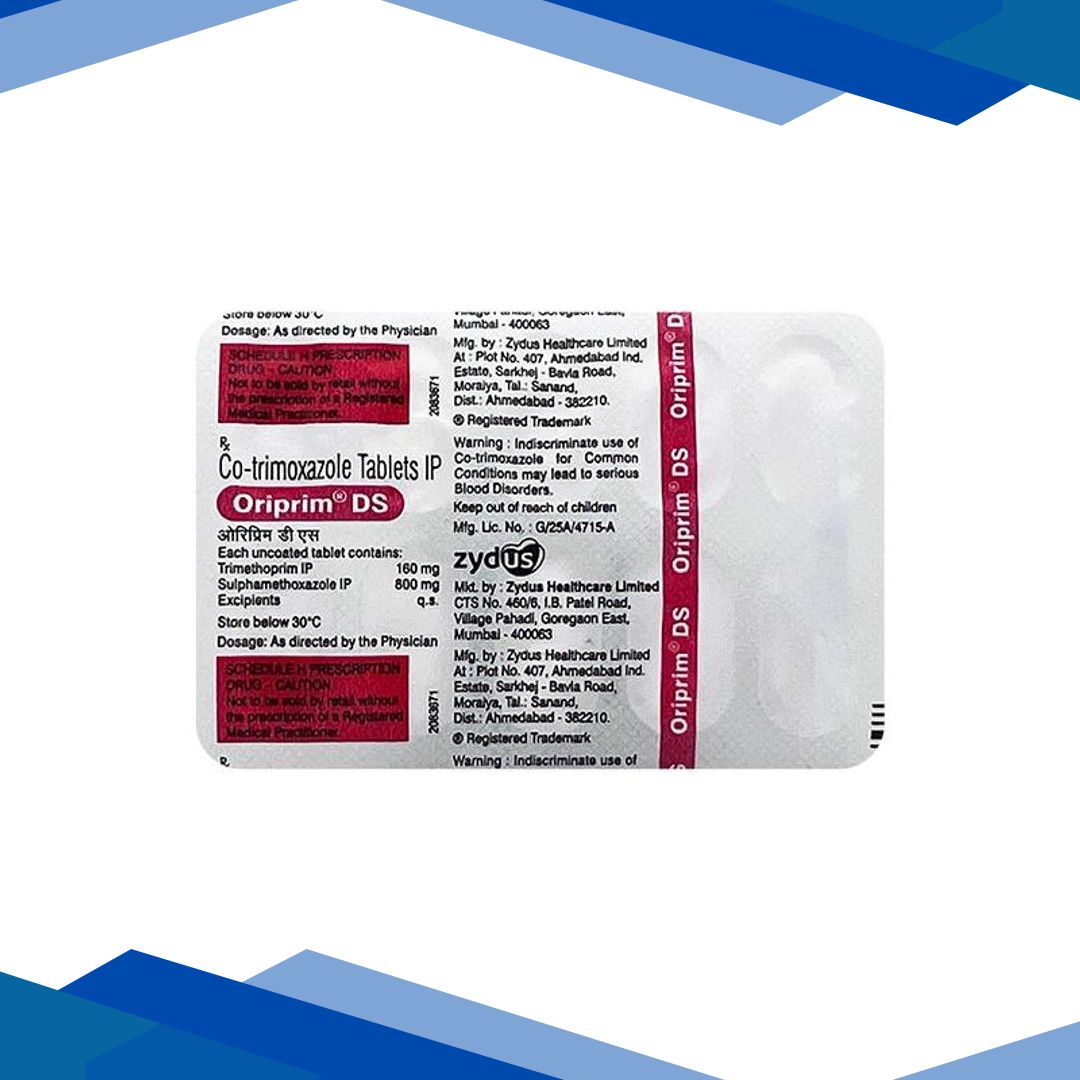
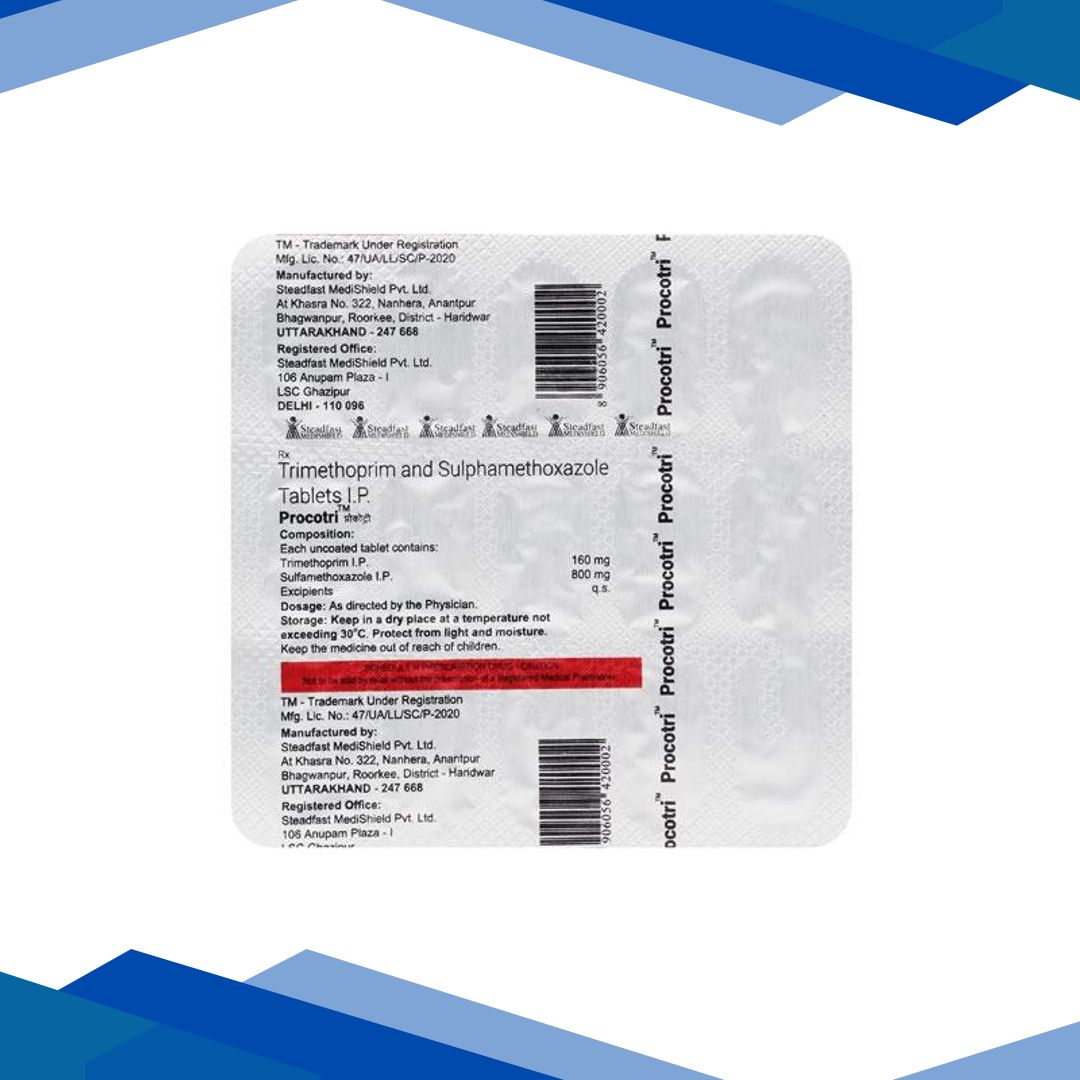

Trimethoprim: quick overview, uses, dosage and side effects
Trimethoprim is a known antibacterial medicine, mainly used to prevent and treat uncomplicated urinary tract infections (UTIs). It falls under folate synthesis inhibitors. Unlike broad-spectrum antibiotics that wipe out bacteria in a wide, indiscriminate way, Trimethoprim goes for key proteins that troublesome bacteria depend on to keep multiplying. Once those processes are blocked, your immune system can clean up the infection faster.
Primary Medical Uses
Doctors most often reach for Trimethoprim for:
Urinary Tract Infections (UTIs): Relief that tends to start fairly soon for bladder, kidney, or urethral infections.
Middle Ear Infections (Otitis Media): Sometimes used in certain child cases, when the responsible bacteria match what the drug can target.
Respiratory Infections: Occasionally used to manage sudden flare-ups of chronic bronchitis.
Traveler’s Diarrhea: Prescribed for particular bacterial gut strains picked up during travel.
How to Take Trimethoprim Safely
Stay Hydrated: This is the big one. Aim for 8 to 10 glasses of water each day while you are on it, to support your kidneys and help your urinary system flush.
Timing matters: Take the tablet at the same time daily, usually once or twice per day as your doctor directs.
With or without food: You can take it on an empty stomach. If you feel a slight nausea wave after your dose, try taking it with a light meal, or maybe toast.
Finish the course: Do not stop early even if the burning pain feels gone. Skipping doses can let the remaining bacteria adapt and become more resistant.
Quick Expert Safety Advice
Category: Interaction and guidance
Alcohol: Avoid it. Mixing alcohol with antibiotics can cause rapid heartbeats, flushing, and increased dizziness.
Pregnancy: Contraindicated. Trimethoprim interferes with folic acid handling, which matters for fetal growth. Tell your doctor if you are pregnant.
Sun exposure: This medicine can create phototoxicity, meaning extreme sun sensitivity. Use high SPF sunscreen, plus protective clothing when outdoors.
Pre-existing conditions: Not usually recommended if you have severe kidney or liver disease, or anemia linked to folate deficiency.
Side Effects to Watch For
Most people handle Trimethoprim well, but these milder effects can happen:
- Mild skin itching, or a faint rash
- Nausea, vomiting, or temporary appetite loss
- Headache or a slightly dizzy feeling
- Stomach cramps or mild diarrhea
🚨 When to seek emergency help: Stop the medicine and contact a doctor right away if you develop a severe peeling skin rash, dark urine, painful sores in the mouth, or sudden swelling of the face, lips, or tongue.
Frequently Asked Questions (FAQs)
Q: How many days until Trimethoprim clears a UTI?
You might feel clearer, especially the burning sensation, within 24 to 48 hours. A typical prescription is often 3 to 10 days, but you should keep taking it for the exact duration your clinician prescribed so the infection is fully wiped out.
Q: Why does my doctor want blood tests during this?
If the treatment is longer term, your physician might order routine blood and urine tests. This is mostly to monitor kidney function and to confirm that platelet levels and folic acid remain in a safe range.
Q: Can I use over-the-counter pain relievers with Trimethoprim?
Yes. Common pain medicines like paracetamol or ibuprofen are usually considered safe to use alongside Trimethoprim for UTI-related pelvic pain or headaches. Still, check with your pharmacist if you take any other regular prescription drugs.
Q: Will Trimethoprim treat a common cold or the flu?
No. Trimethoprim is antibacterial only. It does not treat viral illnesses like colds, coughs, or influenza. Using antibiotics for viruses reduces effectiveness for when you truly need them later.